
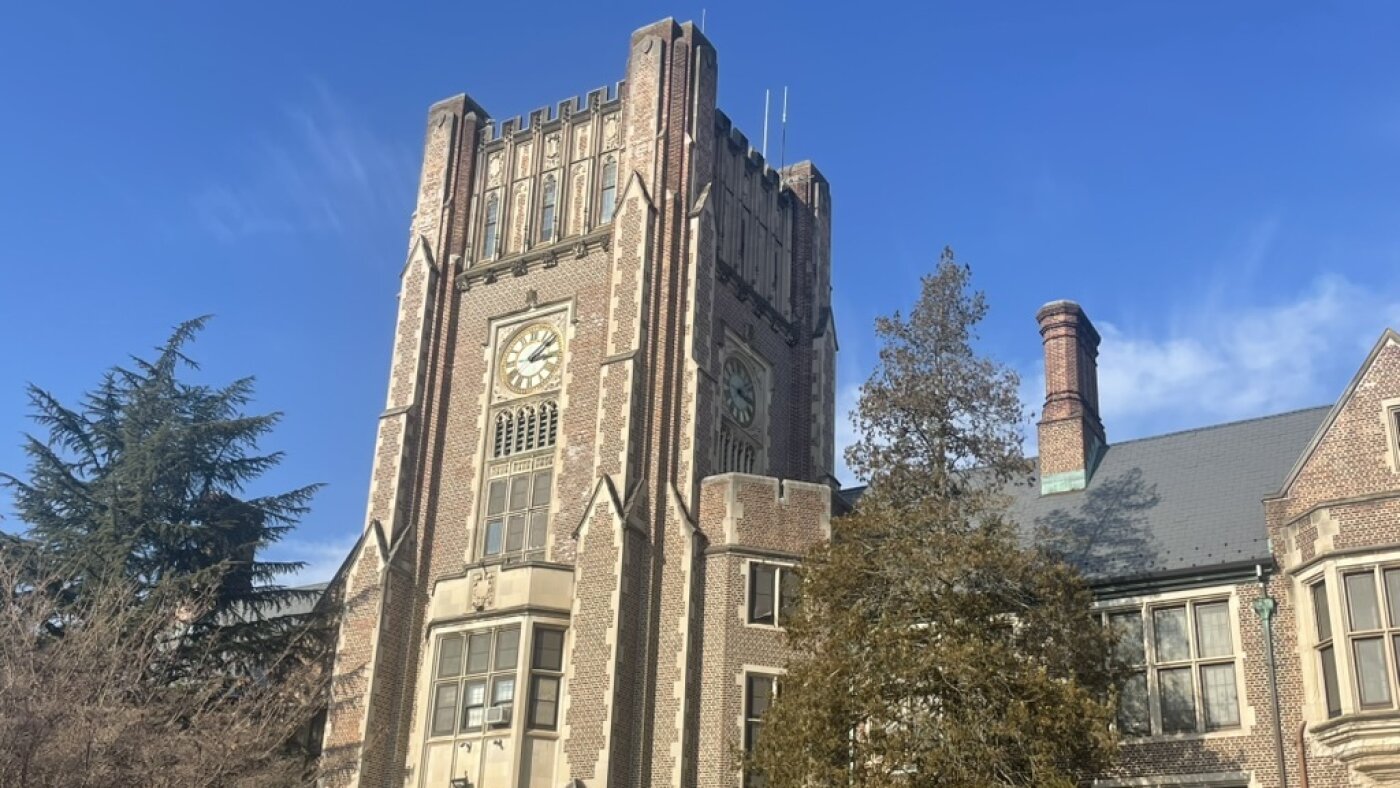
The South Orange & Maplewood community in New Jersey is facing a serious mental health crisis among its youth. Superintendent Jason Bing reported five suicide attempts this year among students at Columbia High School (CHS). Tragically, one student passed away in December, which heightened the urgency around mental health discussions.
As a response, the school district decided to remove Junot Díaz’s novel The Brief Wondrous Life of Oscar Wao from an AP English class. This decision sparked intense discussions among parents and students. After some backlash, the district modified its stance, allowing parents to sign a permission form for their children to read the book. PEN America, a group advocating for free expression, categorized this as a form of a “book ban.”
In an interview, Bing explained that the removal was at the request of school administrators and not parents, emphasizing the need to address the mental health challenges in the community. He stated, “It’s the right book; it’s just the wrong time.”
The novel has been part of the curriculum since 2011, highlighting themes like cultural identity and personal struggle, making it valuable for discussions on mental health. Many educators believe books like Oscar Wao provide essential connections and support for students facing their own challenges.
“Literature often helps individuals process feelings,” said Lori Martling, the teacher who has been instructing the book for years. “It lays groundwork for understanding complex topics like identity and mental health.”
Experts suggest that this trend of restricting books often focuses on young adult literature, particularly those discussing heavy themes like grief and suicide. A recent report from PEN America highlighted that nearly 60% of banned books are aimed at young adults tackling these subjects.
Students are voicing concerns that the removal limits their ability to engage with these topics in a safe environment. A petition to reinstate the book was signed by 47 students in Martling’s class and over 200 others.
Some students proposed inviting mental health professionals to accompany discussions on such sensitive material, but the district rejected this, emphasizing autonomy over curricular decisions.
Díaz himself weighed in, suggesting that removing literature from the curriculum does not solve underlying issues. He supports using art as a means of connection and understanding, noting that it can help students cope with difficult topics.
The community continues to grapple with this tension between protecting students and allowing them access to important literary works. Many believe it’s crucial for schools to foster open conversations about mental health rather than limiting discussions.
If you or someone you know is struggling, remember that resources are available, such as the National Suicide Prevention Lifeline at 988, which offers confidential support.
For further reading on book banning trends, check out the full report from PEN America here.
