
Every time I check out at the grocery store, I pause before tapping my card. A few vegetables, some greens, and yet here I am, staring at a $60 bill. I cook most nights and don’t splurge much. But week after week, the total climbs, teasing me to complain.
At lunch with friends recently, we joked about how grocery prices seem to sneak up on us. I said, “Maybe I should just grow my own food.” We laughed, but the idea started to feel less silly. My friend Libby grows lettuce indoors under a small light. She claims it saves her money and reduces that dreaded waste of herbs going bad in the fridge. I was constantly buying fresh basil, only for it to wilt before I used it.
I realized that growing even a little of my own food might make a lot of sense. So, I did some research and spoke to an expert.
What to Grow at Home
Mark Reyes manages a garden center in Colorado and has seen a shift in customer interests. “People used to come in with big plans,” he noted, “but now they just want to grow what they already buy: lettuce, herbs, and tomatoes.”
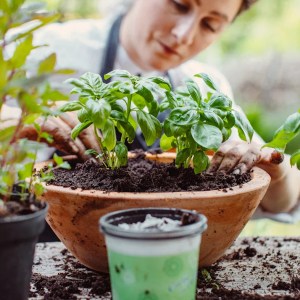
To cut your grocery bill, he suggests focusing on what you use most. Fresh herbs are the best choice. Basil, parsley, and cilantro can be pricey and spoil quickly. A few pots on your kitchen counter can replace many store-bought packs over a season.
Leafy greens like arugula and spinach are also smart picks. They grow fast, love cooler weather, and can keep producing if you harvest them little by little. That way, you avoid the grocery store pattern of buying too much and wasting half of it.
Tomatoes are worth the effort but plan for space. A couple of well-chosen plants can yield a steady supply without taking over your garden. Homegrown tomatoes taste dramatically better than store-bought ones, especially in summer.
Space Matters Less Than You Think
Many believe you need a big yard to garden, but that’s not always true. Containers work well for beginners. You can grow tomatoes, herbs, and peppers in pots. If you have a small yard, a raised bed offers better soil control and can grow plenty without being overwhelming.
Sunlight is the crucial factor. Most plants require about six hours of direct sun daily. So, watch your space throughout the day to see where the light falls.
The Best Choices for New Gardeners
If you’re new to gardening, start with plants that are easy and rewarding. Leafy greens, radishes, and peas are great beginner options. Herbs, too, are fantastic because they require little space and can pay for themselves quickly if you cook often.
For those without outdoor space, indoor growing is becoming popular. Grow lights are affordable now, and you can easily set up herbs and greens on a small shelf in your home.
Timing is Key
One of the biggest mistakes new gardeners make is planting at the wrong time. Cool-season crops like lettuce and radishes can go in early. On the other hand, crops like tomatoes and peppers need warm soil. Planting them too early often leads to sad, stunted plants.
If you want a head start with warm-season crops, consider starting seeds indoors a few weeks before the last frost. Just remember to adjust them gradually to outdoor conditions before planting them outside.
Common Pitfalls for First-Time Gardeners
Reyes has seen common mistakes for years. Overwatering is at the top of the list. Many people think a droopy plant is thirsty, when it might just be drowning. It’s best to check the soil’s moisture before watering.
Bad soil can also cause trouble. Quality soil is essential for healthy plants. If your dirt is compacted, your plants won’t thrive.
Planting too close together is another issue. Crowded plants compete for light and nutrition, making disease more likely. Finally, trying to grow too much at once can lead to frustration.
Reyes advises starting smaller than you think. It’s better to succeed with a few plants than to feel overwhelmed by a large garden. The goal isn’t to become a master gardener; it’s to enjoy the process and get some fresh produce in the end.
With grocery prices feeling unpredictable, even a little homegrown produce can make a difference—financially and in how you connect with your cooking. Instead of yet another store trip, imagine stepping outside and picking your ingredients fresh.
I started with a few pots of herbs and plan to add raised beds soon. It’s not about growing everything but making cooking simpler and my grocery bills less scary. It turns out, that initial joke about growing food wasn’t just a joke after all.
For more insights on home gardening, check out this guide from the USDA on growing your own food.
Source link
Mark Reyes, Leafy greens, containers
