
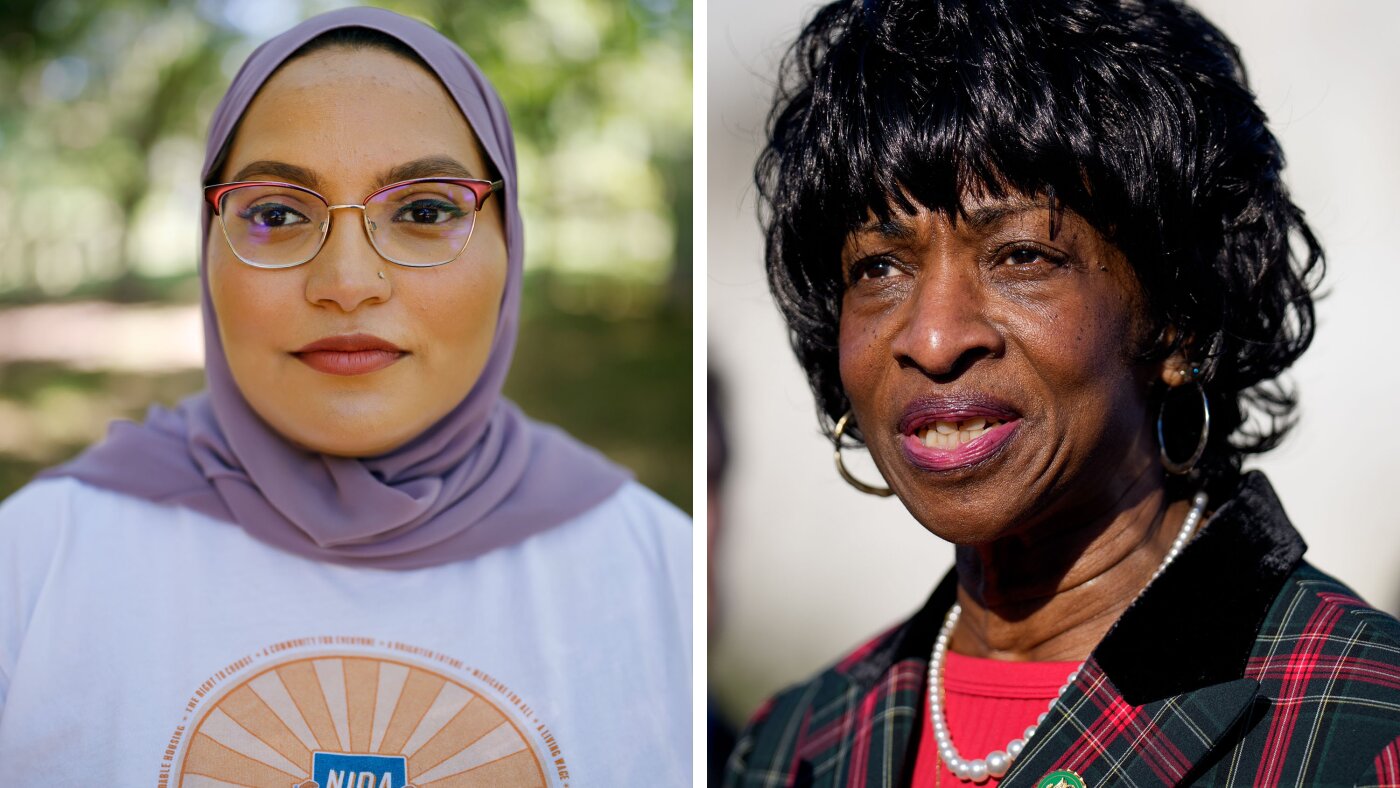
In North Carolina’s 4th Congressional District, Rep. Valerie Foushee is narrowly leading challenger Nida Allam as the Democratic primary results come in. With 99% of ballots counted, Foushee has a slim margin of just over 1,000 votes, according to the Associated Press. Provisional votes, which will be counted soon, could still change the outcome, and if the final tally is within 1%, Allam might call for a recount.
Challenging an incumbent is tough, but recent electoral trends show that voters are increasingly open to new leadership. Allam, a 32-year-old Durham County Commissioner, has positioned herself as a progressive alternative to the 69-year-old Foushee. She is part of a movement pushing for generational change in the Democratic Party.
Throughout her campaign, Allam has focused on issues that matter to working-class citizens. “North Carolina is often labeled as red, but we are not a red state,” she told NPR last month. She emphasizes the need for representatives who genuinely advocate for the people. Her platform includes ambitious policies and urgent calls to address rising affordability issues across the state.
Allam has also taken a strong stand on immigration, advocating for the abolition of U.S. Immigration and Customs Enforcement (ICE). Foushee, in contrast, supports defunding ICE and implementing comprehensive immigration reforms without going as far as eliminating the agency altogether.
Another contentious topic is U.S. policy towards Israel. Allam has criticized Foushee for accepting donations from pro-Israel groups and has pledged to refuse such contributions. Foushee, while announcing she won’t accept donations from AIPAC this election cycle, has faced scrutiny on other campaign financing matters.
This primary battle comes just four years after they first faced off, which became North Carolina’s most expensive primary ever. That election saw outside groups pouring over $3.8 million into their race. This year, spending has already surpassed $4.4 million, according to Federal Election Commission filings, indicating that outside interest in this contest remains high.
The growing trend of grassroots movements within the Democratic Party has sparked discussions on social media about the future of Democratic leadership. Many voters express a desire for new voices and fresh ideas, especially as generational divides become more pronounced in political dialogues. As political analyst Jennifer Duffy notes, “This election is a litmus test for how serious the Democratic grassroots are about embracing change.”
Overall, the results from North Carolina’s primary could reflect broader shifts within the party, as voters weigh their options for representation and the direction they want to see in the future.
