
As the U.S.-Israeli tensions with Iran heighten, the Strait of Hormuz has been shut down. This closure has serious implications, as it cuts off a significant portion of global oil and natural gas supply. In response to these disruptions, Qatar has halted its liquefied natural gas (LNG) production without a clear timeline for resuming.
Amid these challenges, energy experts point out that some countries are now better equipped to deal with the energy crisis compared to just a few years ago. Jan Rosenow, a professor at Oxford University, highlights the rapid growth of renewable energy, battery storage, and electric vehicles as key factors in this resilience. He notes, “It’s a deliberate strategy to move away from imported oil and move towards electrification.”
In regions like China and Nepal, electric vehicles (EVs) are rapidly gaining popularity. Over half of new car sales in China and more than 70% in Nepal are now electric. With rising oil prices, those with EVs are less vulnerable compared to those relying solely on fossil fuels. According to Kingsmill Bond, an analyst at Ember, “It’s an energy security solution and a cost-effective one at that.”
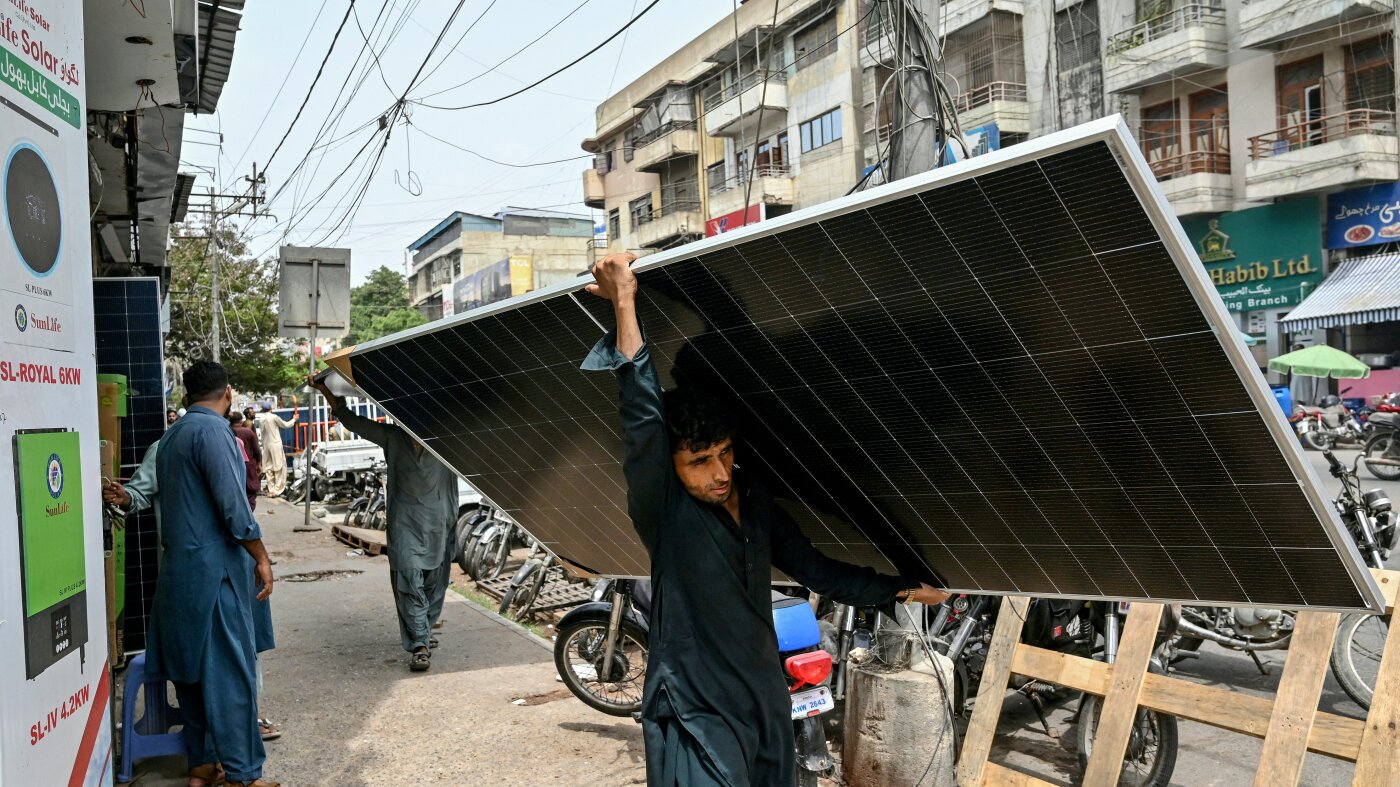
Pakistan serves as an interesting case study. Energy expert Nabiya Imran asserts that the dramatic growth of solar energy in the country helps cushion against price spikes and supply shocks in fossil fuel markets. “The widespread adoption of solar and batteries acts as a form of protection against these shocks,” she emphasizes.
Remarkably, since 2023, Pakistan has imported about 41 GW of solar panels from China, enough to power millions of homes, according to Ember data. This is a significant achievement when considering that all traditional power sources combined in Pakistan generated around 46 GW in 2024. Bond refers to Pakistan as the “poster-child for the solar revolution,” noting its strategic imports of solar panels to decrease reliance on gas.
However, the country still heavily depends on imported fossil fuels, especially for transportation. Recently, the Pakistani government implemented austerity measures, including closing schools and encouraging remote work to reduce driving due to soaring fuel prices.
Importantly, Pakistan’s increased solar and wind energy capacity provides a buffer against current LNG supply disruptions. As the energy crisis continues to unfold, Pakistan is focusing on expanding renewable generation. This transition highlights the dual benefits of climate action and improved energy security.
Looking back, the lessons from the Ukraine war highlight the urgent need for energy independence. The European Commission advocated for renewable energy to reduce reliance on Russian gas, prompting some countries to invest in solar and wind, while others opted to replace Russian gas with LNG imports, a decision that is now being questioned.
Paasha Mahdavi, a political science professor at UC Santa Barbara, underscores the critical moment we are in. The sharp uptick in fossil fuel prices since the outbreak of war has prompted many nations to reassess their energy strategies in favor of renewables and batteries.
In summary, the current geopolitical climate is accelerating a global shift toward renewable energy. Countries like Pakistan are emerging as leaders in this movement, showcasing how smart energy planning can lead to greater resilience against global energy crises.
For further reading on the energy landscape, you can check out reports from Ember and the European Commission.
