
Food is one of life’s great joys, but it can also come with risks. While we all relish that first cup of coffee or a scoop of ice cream, it’s essential to be mindful of food safety.
Many of us know basic rules, like washing hands and throwing out spoiled food. However, some common beliefs about food safety can be misleading. Misunderstandings can either cause unnecessary panic or make us overlook real threats. To help clarify these myths, we spoke with dietitian Kathleen Benson.
### Myth 1: Food Safety Only Matters in Restaurants
Many think food safety is only an issue for restaurants, but that’s not true. Home kitchens can also be unsafe. Kathleen Benson notes that a surprising amount of foodborne illness occurs at home. Simple mistakes like not washing hands to avoiding cross-contamination can lead to trouble. Home cooks don’t need restaurant-level cleanliness, but they should still follow some safety basics.
### Myth 2: Refrigeration Keeps Food Safe Forever
We often think that putting food in the fridge makes it last indefinitely. Unfortunately, that’s a myth. Though refrigeration slows bacterial growth, it doesn’t eliminate it. Many cooked dishes should be eaten within three to four days. After that, it’s best to toss them out or freeze them for later use.
### Myth 3: The Best Way to Thaw Meat is on the Counter
Counter-thawing may seem convenient, but it’s risky. It puts the outer parts of the meat in the “danger zone” for bacteria. Instead, it’s safer to thaw meat in the refrigerator, under cold running water, or in the microwave—just make sure to cook it immediately afterward.
### Myth 4: Expiration Dates are Firm Deadlines
A common belief is that expired food must be tossed. However, many expiration dates represent quality rather than safety. For instance, “best by” dates indicate peak freshness, but the food could still be safe to eat after that. Check for signs of spoilage, not just dates.
### Myth 5: Washing Produce with Soap is Better
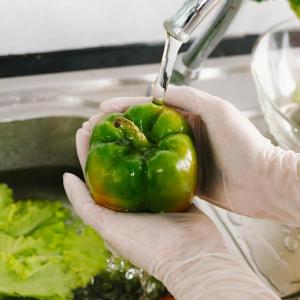
Many people wash their fruits and veggies with soap or vinegar, thinking it’s more effective. In truth, running water is usually sufficient. Soap can linger on produce, and vinegar doesn’t do a better job of cleaning.
### Myth 6: Organic is Always Safer
While organic foods are often seen as healthier, studies show little difference in safety or nutrition compared to conventional foods. Both must adhere to safety standards. If you’re looking for nutrition, focus more on a balanced diet than whether the food is organic.
### Myth 7: Plastic Packaging is Dangerous
Plastic packaging often comes under scrutiny, but the health risks posed by it are generally minimal. Consumers should be more concerned about how food is stored and handled than the packaging itself.
### Myth 8: Brown Meat is Always Spoiled
Browning in meat can be alarming, but it doesn’t mean it’s spoiled. The color change is often due to exposure to air, not spoilage. Always trust your senses—look for off smells or unusual textures instead.
Taking these insights into account can help you cook and eat with confidence. Feel free to enjoy your meals while practicing basic safety principles to stay healthy.
Source link
Kathleen Benson, food safety, proper food handling
