
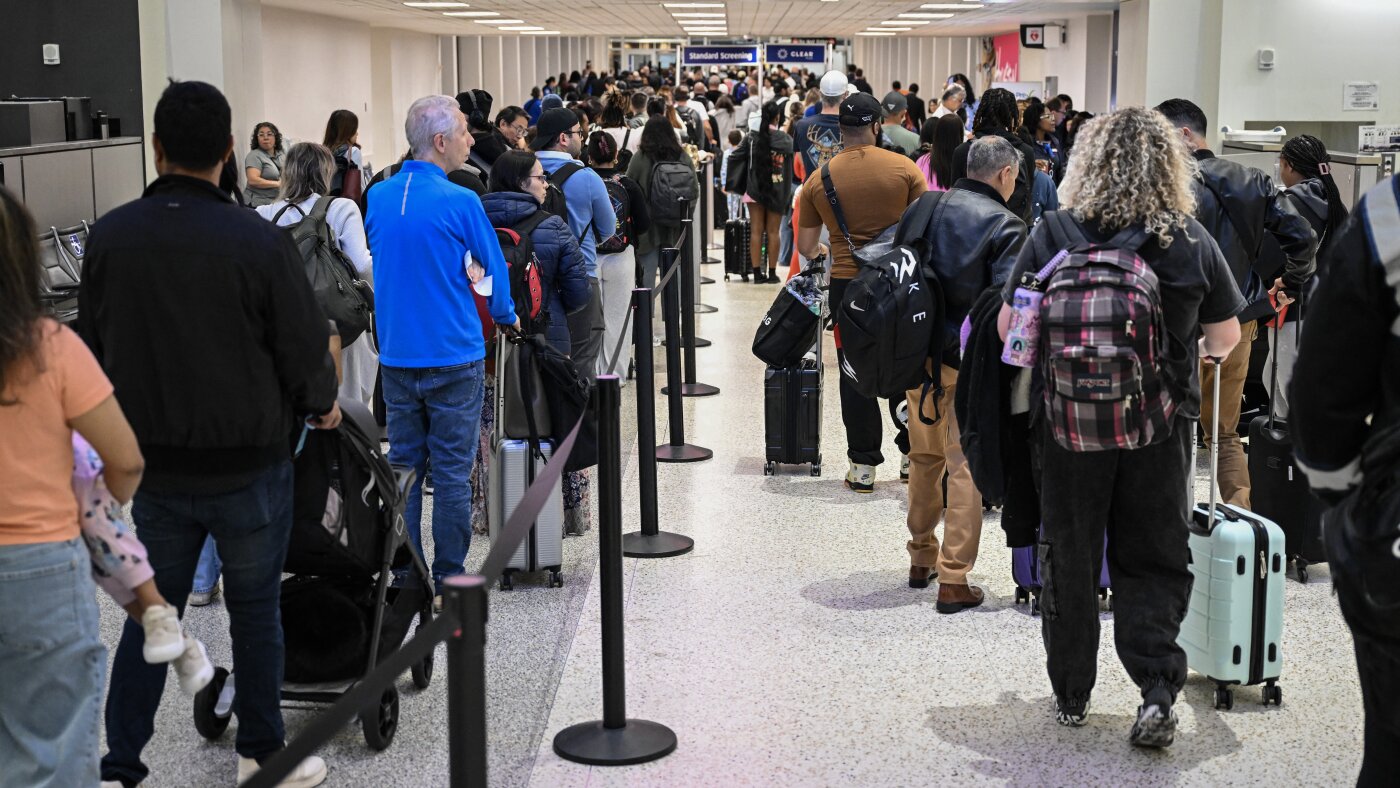
Spring break is here in the U.S., but many travelers are facing long lines at the airport. Security screeners are working without pay due to a government shutdown at the Department of Homeland Security. This has led to significant staffing shortages.
Congressional Democrats have withheld funding for the department, seeking reforms in immigration enforcement practices. As a result, wait times have reached two hours at busy airports like Houston and Atlanta. In New Orleans, passengers are advised to arrive three hours before their flights. Philadelphia even shut down three security checkpoints due to a lack of staff.
Recently, former President Trump threatened to send Immigration and Customs Enforcement (ICE) agents to airports if the Democrats did not agree to fund the department. He claimed they could provide security and start arresting undocumented immigrants at the airport.
Why the lengthy wait times? Officials note that security wait times are unpredictable. Many TSA workers are missing paychecks, with around 50,000 TSA staff on the job without pay. Over 300 TSA officers have resigned, and many are calling in sick due to the ongoing situation.
This staffing crisis is compounded by severe weather affecting travel, making an already chaotic situation even worse. The Airlines for America estimates that about 2.8 million people will fly every day during March and April, totaling 171 million travelers this spring.
Transportation Secretary Sean Duffy has warned that if the shutdown continues, conditions will worsen. Following a second missed paycheck, more TSA employees could walk out, exacerbating the delays. Duffy stated that while it is still safe to fly, the wait times are extended due to fewer agents on duty.
The U.K. Foreign Office has also warned travelers of disruptions at U.S. airports, encouraging them to check with airlines before traveling. In an interesting twist, Elon Musk recently offered to pay TSA workers during this funding crisis to alleviate the strain on families affected by long wait times at airports.
Despite these disruptions, demand for travel remains high. A spokesperson for the travel site The Points Guy noted the public’s “insatiable appetite for travel.” People continue to endure lengthy waits and rising fares. United Airlines recently announced flight cuts due to rising jet fuel costs, which are likely to increase ticket prices further.
So, how can travelers prepare for this ongoing situation? Here are some tips:
- Stay Informed: Check airport websites for estimated security wait times. Knowing what to expect helps reduce stress.
- Arrive Early: Consider showing up well before your flight’s boarding time. Even if wait times seem short, unpredictable circumstances can lead to delays.
- Explore Alternatives: Look into TSA PreCheck or the Global Entry program for faster screening. However, if you’re in a pinch, consider the private CLEAR program, which allows enrollment at the airport for about $209 annually.
- Have a Backup Plan: Prepare for the possibility of missed connections by downloading your airline’s app and keeping their customer service number handy. Make sure you know alternative travel options in case your plan falls through.
As this travel crisis unfolds, it highlights the need for broader considerations in transportation and immigration policies. The link between political decisions and everyday travel experiences has never been more evident.
