
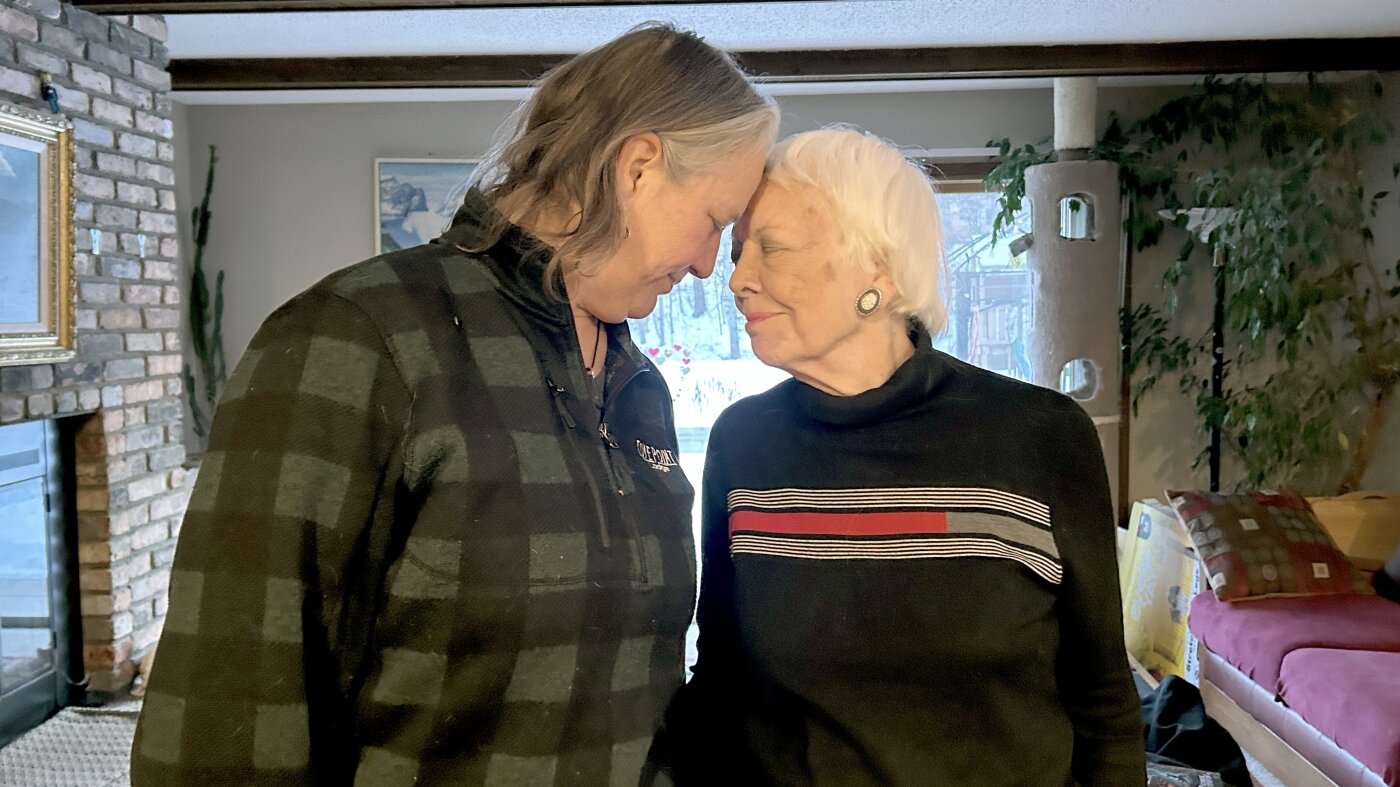
In West St. Paul, Minnesota, Jacqueline Hamilton faced a tough situation with her father, James Stubbs. At 94, he loved driving but showed signs of unsafe behavior on the road. One night, after a Christmas party, he accidentally drove onto a walking path instead of the road. This raised concerns for Jacqueline, who noticed he was driving slower and making unusual turns.
James had been a fabric salesman and later a shuttle bus driver, so driving was integral to his life. Jacqueline recalled, “He taught me everything about driving,” making it even harder for her to address the issue.
As the number of older drivers grows, more families are grappling with similar dilemmas. According to the National Highway Traffic Safety Administration, the percentage of drivers over 70 continues to rise, leading to various state policies aimed at ensuring safe driving among seniors. Some states, for instance, require more frequent vision tests or in-person renewals, and family members are often left to make tough calls about driving capabilities.
After the incident on the walking path, Jacqueline attempted to convince her father to stop driving. When he resisted, she took further action by requesting a formal driving test through the Minnesota Department of Public Safety. The test did not go well; he struggled with basic questions about the day and month. Although his license was revoked, James stubbornly kept the keys to the car, believing he could still drive.
Then came a pivotal moment. While visiting her parents in the hospital, Jacqueline found both sets of keys in her mother’s purse. Faced with a difficult decision, she ultimately decided to take the keys, fearing the consequences of inaction. This kind of responsibility is echoed in the experiences shared by more than 100 readers who responded to NPR’s callout about elderly driving.
Alan Cunningham, another worried son, shared his own story. He noticed dings on his father’s car and tried to reason with him. Even a doctor’s input didn’t sway his father’s decision to continue driving. So, when it came time for license renewal in Illinois—which included a driving test—he was shocked when his father passed. Instead, Alan got creative, swapping out the car keys for ones that didn’t work, allowing his father to feel a sense of control without putting himself and others at risk.
Experts like David Condon, an eldercare consultant, recognize the emotional complexities surrounding this issue. “Many older adults are reluctant to relinquish their driving privileges because of the fear of losing their freedom,” he explained. Meanwhile, Spencer Price, whose mother has Alzheimer’s, described the anxiety of watching her continue to drive despite health concerns. Price and his sister’s discussions with her often ended in emotional turmoil.
Jacqueline’s father still expresses anger over losing his keys, and she acknowledges the emotional toll of her decision. “At one point, he just said, ‘I hate you.’ And my response is, ‘I love you,’” she shared. This tension is common when families confront the delicate topic of older adults giving up driving.
In the end, Jacqueline feels she made the right choice, prioritizing safety over sentiment. “I did what I had to do,” she said. “It was hard, but it was necessary.”
As the population ages, conversations around senior driving will only become more essential. Families must find a balance between respecting independence and ensuring public safety.
