
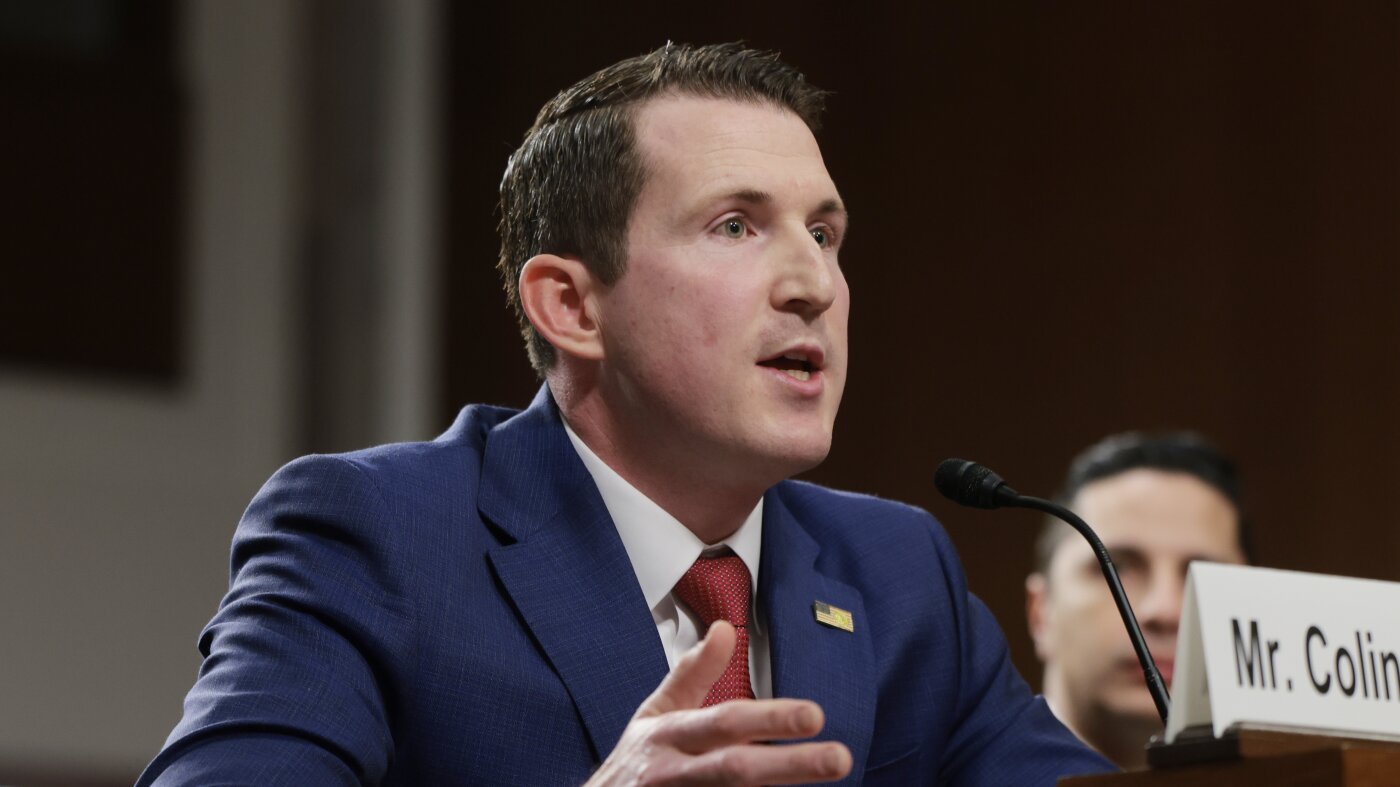
The Senate recently confirmed Colin McDonald as the new assistant attorney general for fraud enforcement at the Justice Department. The vote was tight, with a count of 52-47. This decision raised concerns among some Democrats. They worry McDonald might misuse his position to target political opponents of President Trump.
Just before this vote, the White House announced its own anti-fraud task force. This group aims to combat fraud in government programs and includes a representative from the DOJ. Vice President JD Vance will lead this effort.
Senator Chuck Grassley, a Republican, emphasized the importance of fighting fraud, especially against American taxpayers. He highlighted ongoing fraud cases in Minnesota, particularly in child care programs. These issues have been a talking point across various social media platforms.
On announcing this fraud enforcement role, Vance stated that this position would directly report to the White House, raising flags about the potential impact on the Justice Department’s independence. Perry Carbone, a former federal prosecutor, expressed concern that this new office could politicize fraud investigations.
McDonald previously served as an associate deputy attorney general and has a decade of experience as a federal prosecutor in California. He aims to uphold fairness and integrity in his new role, addressing allegations of fraud related to government benefits.
Fraud in federal programs like Medicaid and SNAP has been a persistent issue. A recent Government Accountability Office report indicated that over $320 million in SNAP benefits had been reported stolen, fueled by a lack of effective theft-prevention measures. McDonald aims to address these concerns, not just in Minnesota, but nationwide.
The Trump administration recently shifted focus towards fraud in states like Minnesota and has discussed its plans to scrutinize how tax money is spent there. Despite concerns, defenders of McDonald suggest the dedicated effort to tackle fraud is necessary, given the scale of the issue.
Historically, the DOJ has coordinated with various agencies to combat health care fraud. Experts like Jonathan Rusch argue that this has been an ongoing priority, and the new division, while emphasizing fraud, might overlap with existing efforts. Some, like Carbone, believe the solution lies in enhancing the current fraud division rather than creating redundant bodies.
Going forward, it will be crucial to monitor how McDonald balances fulfilling his mandate against ensuring that investigations remain unbiased and effective. The ongoing scrutiny of fraud across states indicates a broader “war on fraud,” but how it unfolds will depend significantly on the commitment to ethical enforcement.
Source link
