
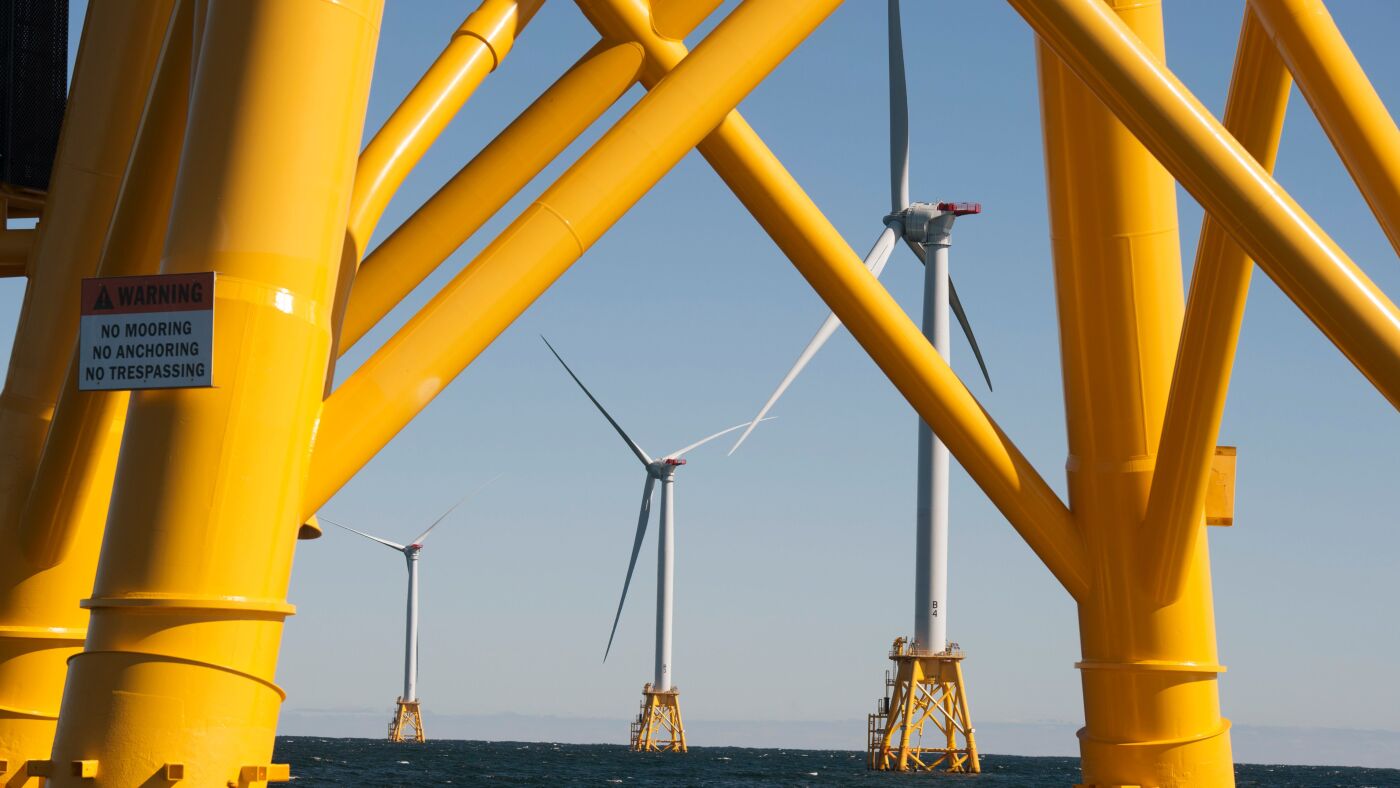
The Trump administration’s recent deal with TotalEnergies has sparked concerns about the future of renewable energy in the U.S. Under this agreement, TotalEnergies will redirect nearly $1 billion meant for offshore wind investment into oil and gas production. The move raises questions about the stability of the U.S. energy landscape.
Experts are worried that this decision could deter investment in renewable energy projects. Timothy Fox, from ClearView Energy Partners, comments, “This administration has created a new playbook for how a president can influence energy policy in disruptive ways.” Leslie Abrahams, from the Center for Strategic and International Studies, echoes this sentiment, saying such policies could slow down infrastructure projects, making them more expensive and risky.
TotalEnergies maintains that new offshore wind projects are costly and could hurt electricity affordability for consumers. This aligns with broader industry sentiments as energy demand rises. A recent report indicated that U.S. energy consumption is expected to grow by 7% by 2025, creating an urgent need for a diverse energy mix.
However, many groups assert that offshore wind energy is essential for ensuring reliability and meeting this growing demand. Organizations that manage electric grids along the East Coast have emphasized the critical role of these new projects in stabilizing the energy supply.
Despite these concerns, some industry analysts believe TotalEnergies may have benefitted uniquely from this deal due to its robust oil and gas portfolio. However, many companies holding offshore wind leases may now consider seeking similar payouts from the government, given the uncertainty.
Historically, previous administrations have seen swings in energy policy, affecting both renewables and fossil fuels. This latest agreement underscores a troubling trend where energy choices become increasingly politicized. As Fox points out, with each administration’s cycle, the energy sector faces swift policy changes—an unsettling reality for investors thinking long-term.
As the U.S. grapples with its energy future, the direction set by Trump’s administration raises critical questions about where the country will turn for its energy needs in the decades to come.
Source link
