
On March 27, 2026, an Iranian attack on a Saudi airbase injured at least 15 U.S. service members, with five suffering serious injuries. This strike targeted Prince Sultan Air Base, located near Riyadh, and involved missiles and drones. A U.S. official mentioned some aircraft were also damaged, and Iran released satellite images showing burning aircraft at the base.
The recent attacks mark a troubling escalation in the Iran-U.S. conflict, which has intensified since the war began a month ago. Iran’s military actions seem aimed at driving U.S. troops out of the region. According to the Pentagon, 13 U.S. service members have lost their lives and over 300 have been injured during the ongoing conflict.
The strike on the Saudi airbase coincided with increased hostilities in the region. Israel recently intercepted a missile launched from Yemen, marking a first during the current Iran war. The Iranian-backed Houthi rebels claimed responsibility for this attack.
As the war continues to unfold, U.S. forces are being bolstered in the Middle East. The 31st Marine Expeditionary Unit, comprised of about 3,500 sailors and Marines, has arrived in the region, indicating a significant military shift. This troop deployment reflects ongoing concerns about Iran’s missile capabilities and intentions in the area.
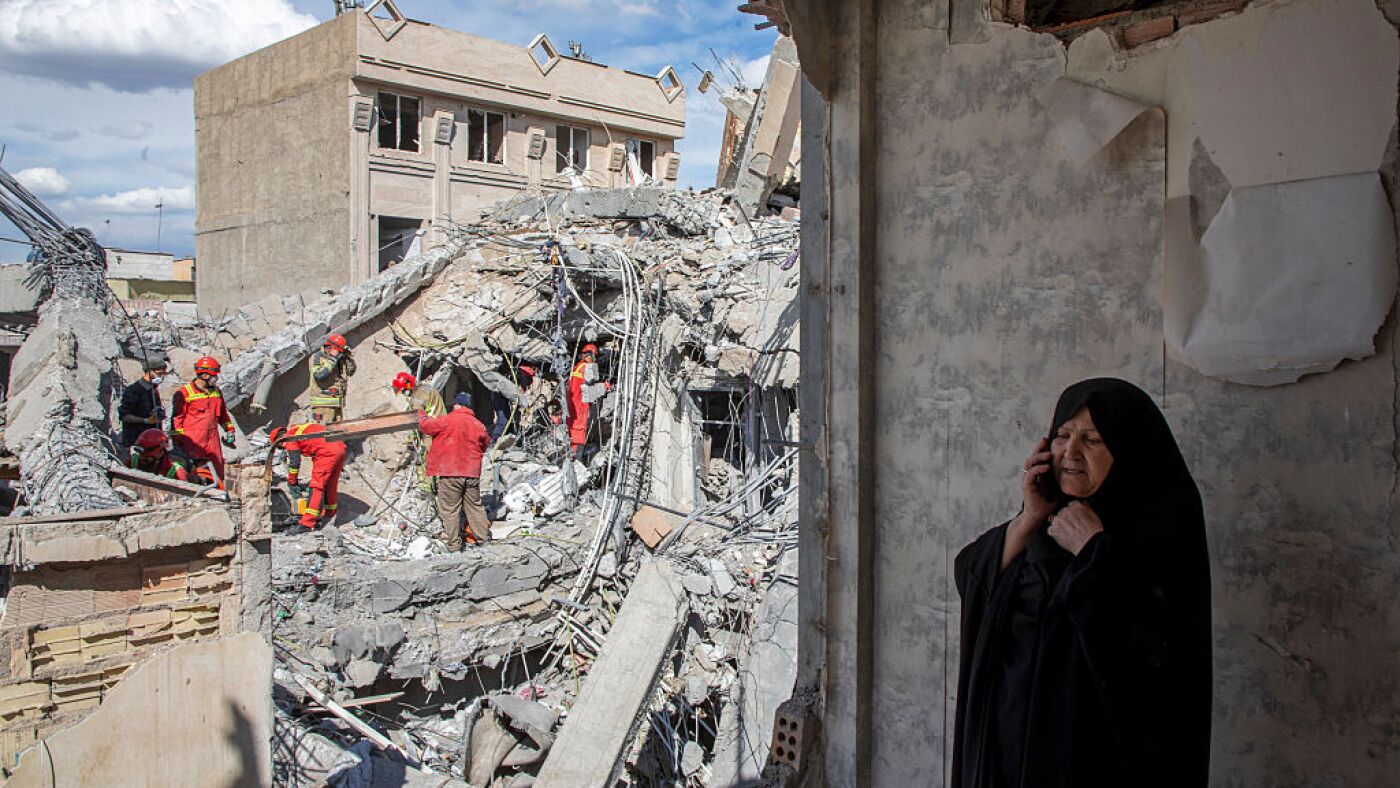
On the ground, Israeli airstrikes have targeted multiple sites within Iran and Lebanon, reportedly hitting industrial facilities. Meanwhile, Iranian forces have responded with increased missile launches, suggesting a cycle of retaliatory strikes. As reported, videos are circulating showing the aftermath of these airstrikes, highlighting the devastation faced by civilians amid escalating military actions.
Compounding these tensions, recent statements from U.S. Secretary of State Marco Rubio underscore a firm stance against Iran, with aims to dismantle their missile production capabilities. While officials claim progress in reducing Iran’s missile stockpiles, they have yet to provide exact figures. A U.S. assessment suggests that about a third of Iran’s missile capabilities may have been neutralized so far.
In light of these developments, the international community is increasingly concerned about regional stability. Recent updates indicate that the G7 nations are urging for an immediate ceasefire and the establishment of safe shipping routes, particularly through critical areas like the Strait of Hormuz, where a significant portion of the world’s oil supply typically passes.
As the conflict persists, various nations seek diplomatic channels to ease tensions. Pakistan has announced plans to host talks with key foreign ministers from Saudi Arabia, Turkey, and Egypt to discuss peace efforts in the region. The situation remains fluid, with ongoing developments reflecting the complex interplay of regional politics.
The backdrop of this escalating conflict evokes historical parallels. The last major military confrontation in this area, while distinct in the details, similarly involved multi-national stakes and highlighted the strategic importance of military bases and regions such as the Strait of Hormuz.
As events unfold, social media platforms reflect a range of reactions, with many expressing concern about escalating violence and the humanitarian implications of the war. The civilian toll continues to rise, and information about casualties and military actions rapidly spreads online, shaping public sentiments and international responses.
