
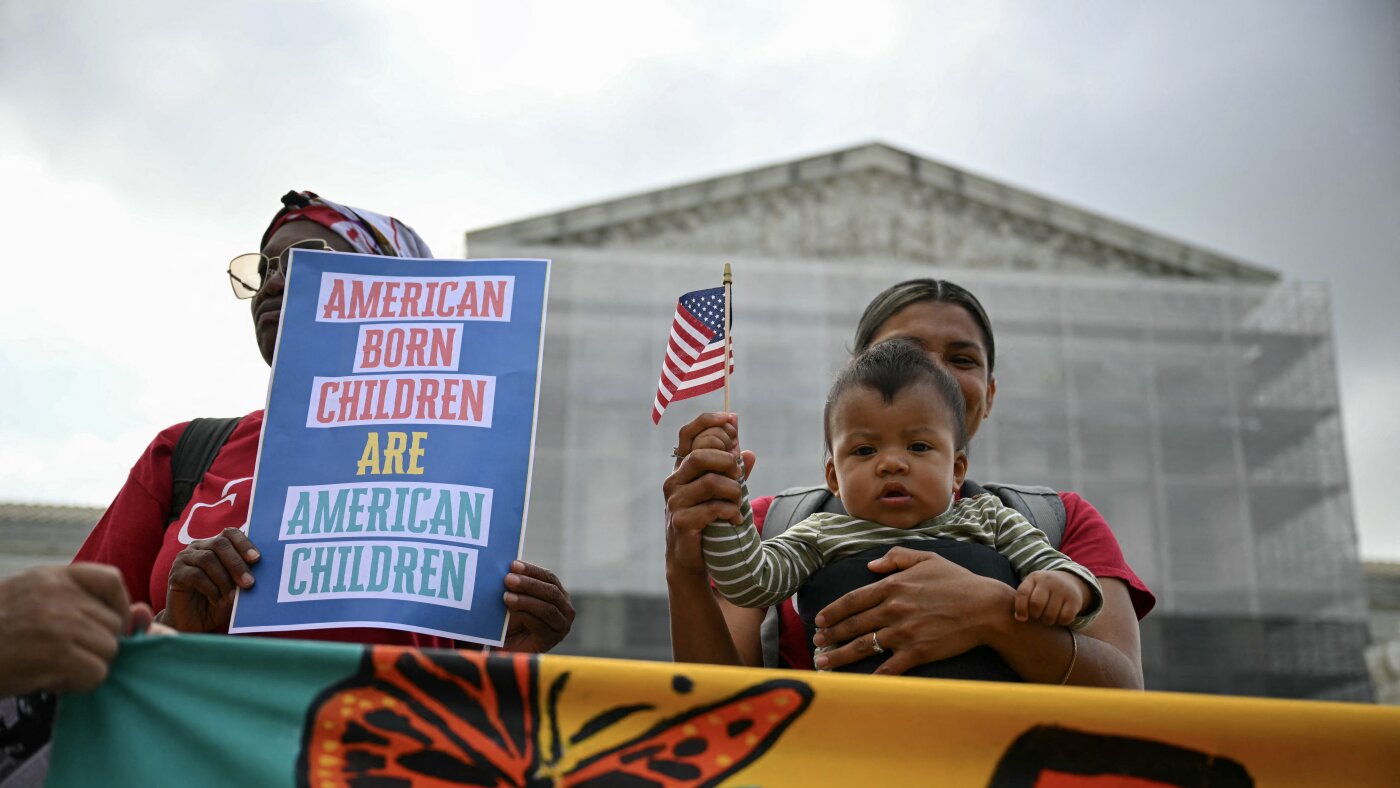
Bruce Lesley, president of First Focus on Children, is raising an important point in the birthright citizenship debate: it’s about babies. He insists that many discussions overlook the impact on every child born in America.
The topic gained fresh urgency during recent congressional hearings. Here, legislators discussed challenges related to citizenship but often neglected to mention children. Lesley emphasizes, “This impacts every baby born in America.”
Currently, when a child is born in a U.S. hospital, they automatically receive citizenship, granting them access to essential services like Medicaid. This coverage supports prenatal, birth, and postnatal care, helping to ensure a strong start for newborns. Though Medicaid covers about 40% of all births in the U.S., the country still faces high maternal and infant mortality rates compared to other developed nations.
Recent data revealed that approximately 300,000 babies were born to undocumented parents in 2023 alone. Should birthright citizenship end, all parents might face bureaucratic hurdles to confirm citizenship, impacting not just immigrant families but everyone.
For example, Lesley points out that the first weeks after birth are critical. Parents have to keep track of immunizations and well-child visits. Losing guaranteed citizenship could disrupt this care, leading to missed health services during a vulnerable time.
Lesley also stresses the danger for babies born with health issues. If hospitals weren’t assured that treatments would be covered, the consequences could be severe. Moreover, parents often depend on hospital staff to help with paperwork required for obtaining a Social Security number, crucial for accessing health insurance and other support services.
Changing the citizenship rules would mean parents have to verify their status to secure benefits for their children. Lesley warns that this could create significant delays and gaps in care. “If we have to ask whether a baby is a citizen, they might miss out on Medicaid and other critical programs,” he explains.
Moreover, issues could arise for children whose parents lack documentation, or for those born to same-sex couples or surrogates. Potentially, some babies might be denied citizenship despite being legally entitled to it.
Experts in maternal and infant health worry that immigration policies have already shaped the landscape, discouraging some from seeking medical care. Arturo Vargas Bustamante from UCLA notes, “Fear can prevent people from going to the doctor, which could lead to long-term health consequences for their children.” He highlights that a significant portion of children with noncitizen parents are Latino, and this demographic may suffer most from policy changes.
Lesley’s advocacy underlines a critical truth: the future health of American children hangs in the balance. Any shifts in citizenship rights could reshape the very fabric of support systems essential for their growth, health, and well-being.
