
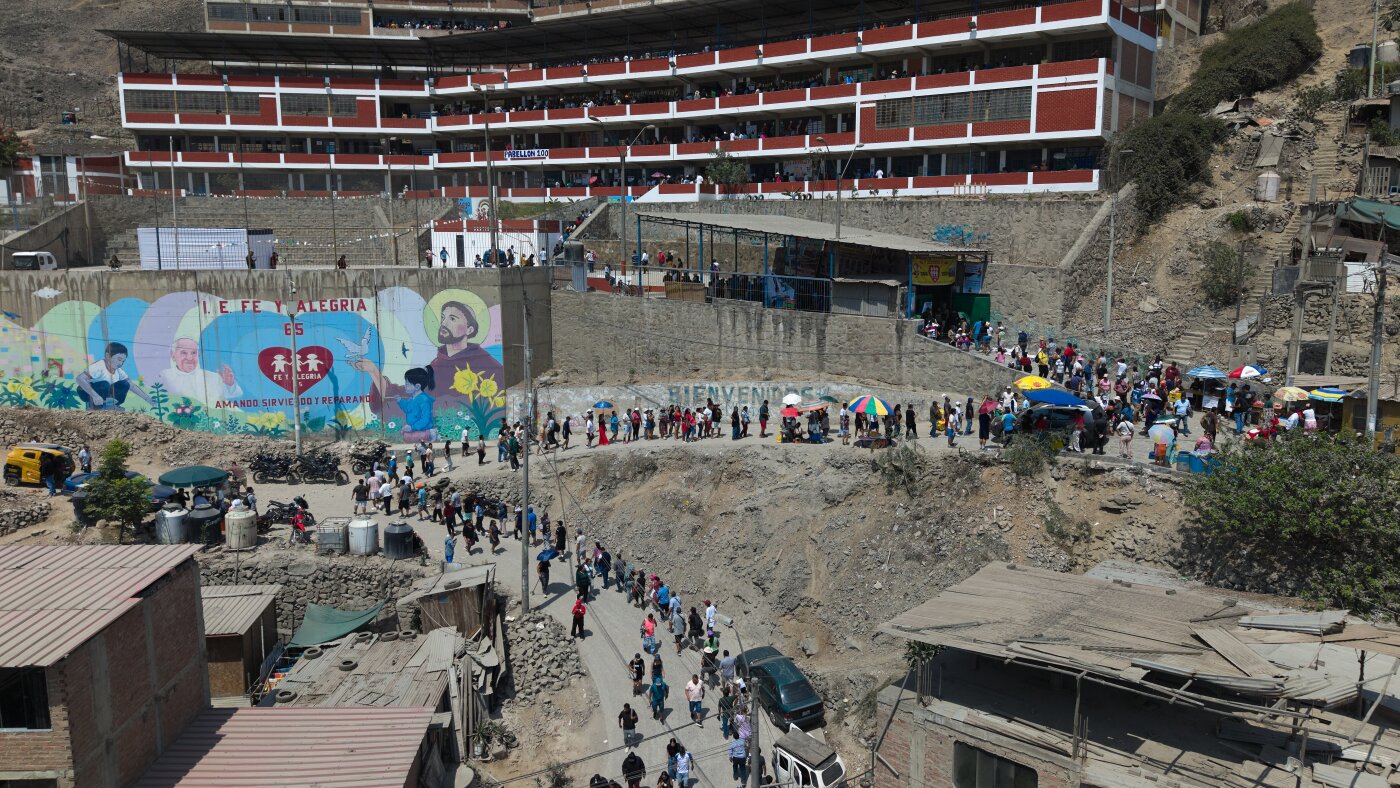
LIMA, Peru — Peruvian voters faced a wait for election results after logistical problems disrupted the process on Sunday. Many people, both in Peru and abroad, could not vote. As a response, electoral authorities allowed over 52,000 residents in Lima and Peruvians registered in Orlando and Paterson to cast their ballots on Monday.
Initially, about 63,300 voters were expected to participate on that extended voting day. Voting is mandatory for those ages 18 to 70, with fines up to $32 for noncompliance.
This election features a mix of candidates, including a former minister, a comedian, and a political heir. They are vying to be Peru’s ninth president in just ten years, reflecting a period of political instability.
Concerns over rising crime and corruption hang over this election. Voters are looking for trustworthy leaders. Many candidates are proposing drastic measures, such as building mega prisons and reinstating the death penalty. Heidy Justiniano, a nurse waiting to vote in Lima, voiced her worries: “What matters most to us right now is safety.” She highlighted the urgent need for effective leadership that can tackle such pressing issues.
In total, over 27 million Peruvians are registered, with around 1.2 million voting from abroad, mainly from the U.S. and Argentina. To win outright, a candidate needs more than 50% of the votes. However, a runoff is likely due to a divided electorate and a broad field of candidates—this election has the largest number of hopefuls in the nation’s history.
This election is also significant because voters are selecting members of a bicameral Congress for the first time in over 30 years, thanks to legislative reforms that empower the new upper house. The backdrop of public dissatisfaction is palpable, with many voters demanding changes that matter to their everyday lives.
For those interested in historical comparisons, past elections similarly faced integrity issues. However, today’s challenges appear heightened by social media’s ability to amplify voter frustrations, making public sentiment more accessible and immediate than in the past.
In terms of trust in leadership, a recent survey indicated that only 22% of Peruvians believe their politicians are trustworthy, highlighting the depth of disillusionment. It signals a potential shift in how candidate performance will be scrutinized in the future.
As results trickle in, all eyes are on how the outcome might reshape Peru’s political landscape and whether new leaders will rise to meet the pressing demands of their constituents.
Source link
