
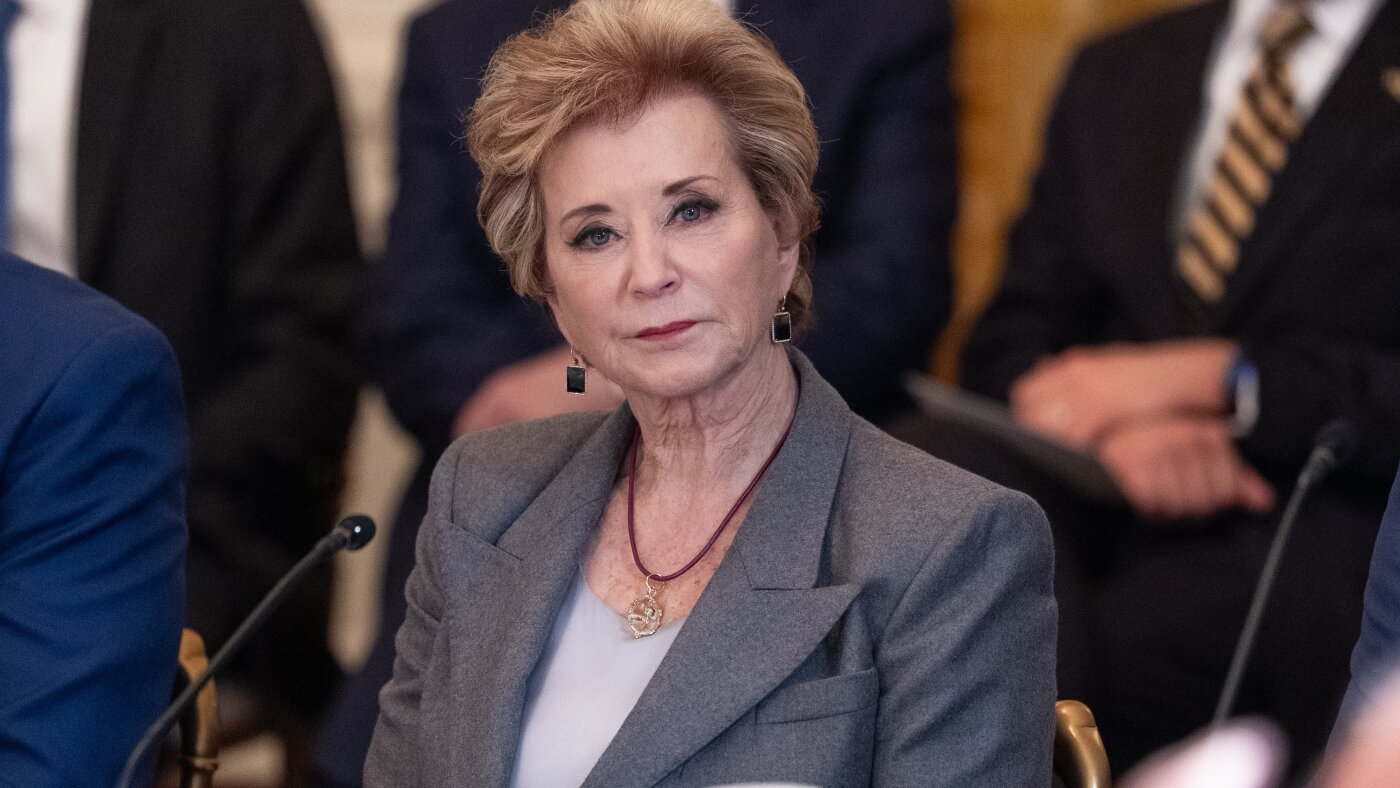
On Tuesday, U.S. Education Secretary Linda McMahon faced sharp questioning from Senate Democrats regarding her leadership of the Education Department. This hearing was her first appearance on Capitol Hill in almost a year. The primary focus was on the White House’s proposal for education spending in the 2027 fiscal year.
Some Republicans, like Sen. John Kennedy from Louisiana, supported McMahon’s initiatives, particularly her push for school choice. However, many Democrats raised concerns about significant cuts to TRIO programs, which help disadvantaged students access higher education.
In a tense exchange, Senator Patty Murray pressed McMahon on why parents now have to reach out to multiple federal agencies for services previously managed by a single department. McMahon responded by asserting that the quality of treatment and funding would remain unchanged, despite any departmental shifts.
Key Takeaways from the Hearing
Federal Spending on Special Education
The proposed budget includes $16 billion for the Individuals with Disabilities Education Act (IDEA), which aims to provide appropriate education for students with disabilities. While this marks a $539 million increase, the administration is also looking to transfer oversight of IDEA to other agencies like Health and Human Services. Many advocates view this as a threat to the quality of special education and fear it could be viewed more as a health issue than an education priority.
Civil Rights for Students
The Office for Civil Rights (OCR) issues complaints involving discrimination based on race, sex, or disability. The administration’s new budget proposes cutting OCR funding by 35%. This has drawn criticism, especially after significant staff reductions in the OCR, which McMahon attributed to efficiency, yet many argue it has led to a backlog in crucial investigations.
Focus on Programs for Low-Income Students
TRIO programs, which support low-income students, were heavily discussed. Established in 1965, they serve over 800,000 students each year. Despite bipartisan backing, McMahon expressed a desire to reform the program, moving its focus more towards workforce readiness than college preparation. This angle was met with resistance from both parties.
Student Loans and Borrowers
The seminar also touched on the staggering $1.7 trillion in student loans managed by the government. With many borrowers behind on payments, McMahon acknowledged the complications arising from the transfer of oversight to the Treasury Department. The Public Service Loan Forgiveness (PSLF) program, critical for many public servants, also faces delays, as some borrowers wait months for responses about their applications.
Public Sentiment and Data
Following the hearing, reactions on social media highlighted a growing concern among parents and educators about the future of public education. Many users expressed frustration over the perceived dismantling of essential programs, particularly for vulnerable students. A recent survey from the National Education Association showed that nearly 70% of teachers believe educational support has worsened in recent years.
In conclusion, the debate on education policy is more critical now than ever. As federal funding and oversight shift, the impact on students, especially those in disadvantaged positions, will need close monitoring. The outcomes of these discussions could shape the education landscape for years to come.
For more on the budget proposal, you can read the full report from the White House here.
