
Hantavirus is emerging as a serious concern after a recent outbreak on a luxury cruise ship resulted in three deaths. This rare virus, known for its high fatality rate, has sparked fears as environmental changes may increase its spread.
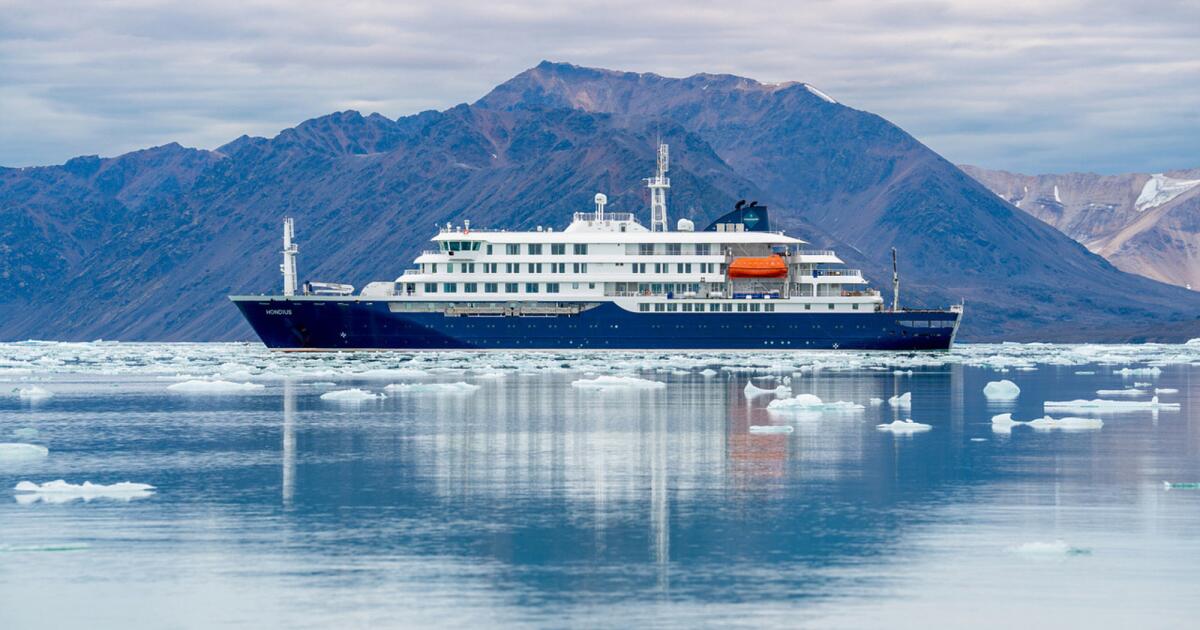
The ship in question was on an extravagant 46-day voyage, costing up to $28,845, when the illness struck. Among the sick were two crew members and a fourth passenger who was hospitalized in South Africa. The ship, MV Hondius, operated by Oceanwide Expeditions, was left off the coast of Cape Verde as investigations began.
Experts like Dr. Peter Chin-Hong from UC San Francisco believe the virus may have originated from rodents on board or possibly from human interactions with contaminated areas. Dr. Elizabeth Hudson of Kaiser Permanente also raised the possibility that travelers may have been exposed to airborne particles from rodent droppings during shore excursions.
Hantavirus is uncommon in the Americas, making these deaths even more alarming. According to the World Health Organization, while there’s a lower risk in regions like Asia and Europe, the mortality rate in America can reach up to 50%. The virus typically spreads through inhaling contaminated particles, affecting the blood vessels in the lungs and leading to severe respiratory issues.
A historical perspective shows that hantavirus has caused outbreaks before, including three deaths in Mammoth Lakes, California, last year. Climate change is expected to play a role in future outbreaks, as warmer conditions promote rodent populations that carry the virus. Dr. Chin-Hong notes that changing rainfall patterns can lead to increased rodent activity, raising the risk of exposure to diseases like hantavirus.
Currently, the U.S. reports an average of 30 cases per year, a figure that hasn’t seen significant spikes, but growing media attention may influence public awareness. Unlike many viral infections, there’s no vaccine or specific antiviral treatment for hantavirus. In severe cases, doctors rely on intensive support techniques like ECMO to assist patients with severe respiratory failure.
This incident raises questions about the safety of cruise travel as we navigate new health challenges influenced by our changing environment.
Source link
