
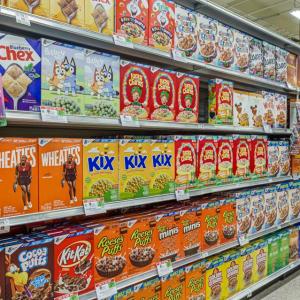
Many people are worried about food dyes in children’s products, and they’re right to be concerned. But getting rid of these dyes won’t solve the bigger issues in the American diet.
This is where we get caught in an illusion. We take out eye-catching ingredients but leave the unhealthy parts the same. It looks like progress, but in reality, it doesn’t lead to better health.
Recent surveys show that while 79% of U.S. adults support the FDA’s plan to eliminate certain food dyes, only 30% actually pay attention to them when shopping. This highlights a gap between what people say they want and what they actually choose to buy.
Interestingly, a study found that just one in three parents believes the typical American diet is healthy for their kids. Yet, many don’t try healthier options at home. Awareness alone won’t change habits. Instead, habits are shaped by our environment.
Without real behavior changes, simply banning dyes won’t make a significant impact. A dye-free snack, like a Dorito, is still not a health food. Removing dyes only cleans up the label; it doesn’t improve the nutritional quality of the food.
For example, a dye-free Froot Loop is still sugary cereal, and swapping colors in mac and cheese won’t turn it into a healthy meal. We need to focus on real, lasting changes in our diets.
Food policies might change ingredients, but changing consumer behavior is more challenging. If food companies think that removing dyes will lead to lower sales, they’ll be hesitant to make changes. Their decisions often depend on what people buy, not just what they say they want.
Historically, we’ve seen similar patterns. General Mills removed artificial colors from Trix cereal, only to bring them back after receiving backlash from consumers. This goes to show that taste and brand loyalty often outweigh ingredient lists, especially with products aimed at kids.
Our food choices reflect years of marketing and preference engineering. If healthier options aren’t convenient, they won’t be popular. To truly tackle the diet issue, we need more than just ingredient changes.
The push for banning food dyes shows that visible changes resonate with people. But these changes can often be superficial and don’t address deeper issues like sugar, sodium, and access to nutritious foods. Parents and policymakers might view dye bans as a solution rather than a starting point for broader reforms.
To make a real impact, we should aim for stronger standards for school food, clear labeling, limits on marketing to children, and broader reform that goes beyond just removing color. The core problem isn’t just the ingredients we see but the entire system that influences our food choices.
The debate around food dyes is nothing new; it’s been ongoing for over a century. We often see cycles of alarm, denial, and partial reform without addressing underlying problems. History shows that we’ve chased quick fixes without significant outcomes.
In the past, trends like low-fat or low-carb diets have come and gone, but the fundamental issues in our diets remain. Food dyes are just the latest symptom of a much larger system failing to produce healthy options.
What makes this moment unique is the growing coalition of advocates pushing for change. Groups like the Center for Science in the Public Interest have long raised concerns about food dyes and their impact on health. Their alliance with movements focused on improving American health offers potential for change, but there’s a risk. If we stop at banning dyes, we might mistake this action for real progress.
Removing food dyes may be an easy step, but it won’t necessarily transform how we eat. If we settle for just this, we could miss the chance to make meaningful changes to the American diet.
In the end, a colorless snack is still junk food. Simply taking away the dyes doesn’t make unhealthy food healthy.
Source link
America, American diet, Food Dyes, Lucky Charms
