
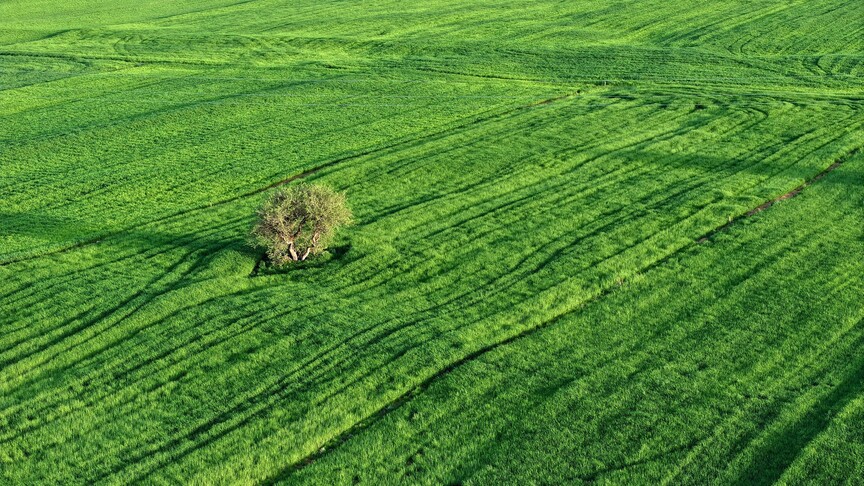
Farmers in Mediterranean regions face a pressing challenge: climate change is altering the landscape, and water scarcity is becoming more critical. According to Guido D’Urso, a professor of agricultural hydraulics at the University of Naples Federico II, adapting water use in agriculture is essential for survival. He emphasizes that preparing land for extreme weather can protect both the crops and the livelihoods of farmers.
As climate change intensifies, water is becoming scarcer. Agriculture is the largest consumer of water, making efficient management vital. D’Urso points out that technology can help monitor water use and predict potential issues. By harnessing these tools, farmers can better manage their resources and respond to challenges.
However, even with technology available, issues like authority conflicts and a lack of transparent data complicate water management. Standardizing water accounting would improve clarity on how much water is available for various uses, from agriculture to industry. This approach would make it easier to allocate resources fairly.
The younger generation is more attuned to these climate issues and more comfortable with technology. This shift is a golden opportunity to push for innovative solutions. Young farmers can utilize advanced tools and data-driven strategies to enhance irrigation and improve crop yields. For instance, adopting techniques like drip or subsurface irrigation can minimize water loss through evaporation.
Historically, many countries, including Türkiye, relied on large dams for water management, but D’Urso suggests focusing on smaller, nature-based solutions. These can be both effective and easier to manage, offering resilience against drought. Creating a knowledge exchange between researchers and farmers is crucial. Specialists can help farmers implement new techniques that suit their unique challenges.
Farmers are not just food producers; they are also businesspeople. Balancing their income with environmental responsibilities is tricky but vital. Policymakers must support farmers in becoming more resilient to climate change while also empowering them to play a significant role in environmental stewardship.
In conclusion, adapting water management strategies is not just about technology; it’s about understanding the land, the climate, and the people who cultivate it. With collaborative efforts and a focus on sustainability, farmers can lead the way in the fight against climate change.
For more insights on sustainable farming and water management, refer to this recent report by the Food and Agriculture Organization.
Source link
SiteKeywords
