
California is pushing ahead with an ambitious offshore wind project, even as the Trump administration tries to stall such initiatives in the U.S. The Port of Long Beach plans to invest $4.7 billion in its Pier Wind project. This facility will serve as a hub for assembling large wind turbines before they are towed out to sea, about 20 miles off the coast.
The state aims to generate 25 gigawatts of offshore wind power by 2045, a significant part of its strategy to combat climate change. The Pier Wind project will occupy 400 acres and is expected to create essential infrastructure for assembling wind turbines. Currently, it’s one of just two ports in the state geared up for such work.
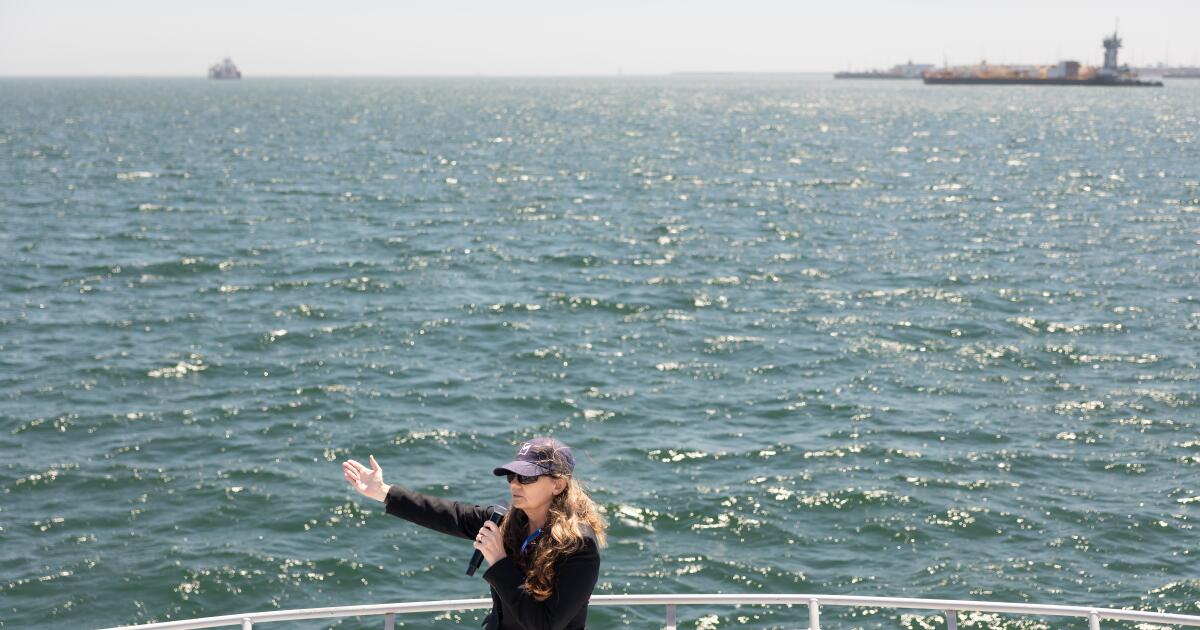
Despite the federal government’s opposition, California officials are determined to proceed. Suzanne Plezia, the managing director of engineering services at Long Beach, emphasized the importance of these preparations. “We’re in it for the long haul,” she said, highlighting the long lead time required for port infrastructure development.
The Trump administration has tried to limit offshore wind progress by canceling funding for preparations, which has raised concerns among supporters. Just recently, the administration offered nearly $2 billion to energy companies to give up offshore wind lease plans in favor of oil and gas projects. This has cast doubt on the future of offshore wind in the U.S., with significant impacts expected on investment dynamics.
Yet, experts like David Hochschild of the California Energy Commission insist on the need to keep pushing forward. “The operative word is not ‘resist’ — it’s ‘create,’” he stated to attendees at the Pacific Offshore Wind Summit. This reflects a broader sentiment among company leaders and officials who remain optimistic about wind energy’s potential. Examples from other countries, like the UK, where nearly 20% of electricity now comes from offshore wind, offer hope for California’s future.
A report from the Global Wind Energy Council states that China, for instance, added 6.6 gigawatts of offshore wind capacity last year alone, bringing its total to 48.4 gigawatts. This global trend demonstrates a growing commitment to renewable energy, which could influence investor sentiment in the U.S.
Despite facing skepticism, California’s offshore wind projects also present unique challenges. Unlike most wind farms which are anchored to the sea floor, California’s deep waters require floating turbines, a technology still in development. This raises questions about market stability and long-term viability, echoing concerns among investors about whether offshore wind is a sound financial decision.
Local opposition exists as well. Groups like the REACT Alliance worry that offshore wind could disrupt coastal communities and marine life. Environmental justice organizations are monitoring projects closely, particularly regarding potential ecological impacts and air quality issues in nearby areas already burdened with pollution.
In the midst of these dynamics, California’s commitment to offshore wind remains firm. Officials assert that despite federal obstacles, the push for renewable energy is essential for future sustainability and energy independence. As Noel Hacegaba, CEO of the Port of Long Beach, stated, “This is renewable energy’s moment.”
With the Pier Wind project set to create a substantial infrastructure network, California is keeping a keen eye on global developments while holding its ground against political headwinds. The momentum toward clean energy appears to be moving forward, reflecting both a challenge and an opportunity for the state and its residents.
For further insights into wind energy innovations, visit the International Energy Agency.
