
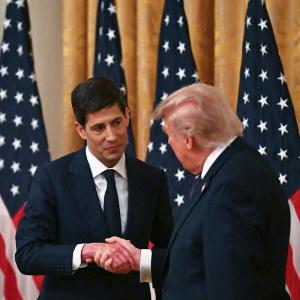
Newly appointed Federal Reserve Chair Kevin Warsh has made some interesting statements about his plans for leading the central bank. He looks to former Fed Chair Alan Greenspan as a role model, aiming to channel Greenspan’s energy and purpose in his own leadership.
During his swearing-in ceremony, Warsh expressed admiration for Greenspan, saying, “Like Alan, I intend to fill the role of chairman with energy and purpose.” Greenspan is remembered for maintaining interest rates during the 1990s tech boom, believing that productivity was rising, which helped prevent inflation. Treasury Secretary Scott Bessent supports this approach, arguing that the Fed should keep rates flexible to promote economic growth.
Bessent believes that by adopting a more open-minded stance, akin to Greenspan’s, the Fed could foster growth without triggering inflation. He cited how Greenspan resisted raising rates during the tech boom, a decision that history has validated. In recent discussions, Warsh has highlighted the potential productivity gains from artificial intelligence, which he believes could help lower inflation and create room for rate cuts.
The economic landscape today is quite different from the 1990s, marked by rising oil prices and inflation lingering above the Fed’s target of 2% for over five years. Warsh acknowledges the challenges ahead but maintains optimism for prosperity, stating that the Fed plays a vital role in fostering economic growth.
He plans to take a more reserved approach to communications, suggesting that Fed members should speak less often and avoid signaling too much about rate decisions. This approach is reminiscent of Greenspan’s era, which some see as a return to a more measured monetary policy.
As Warsh navigates this complex environment, he joins 18 other Federal Reserve members who favor holding rates steady. Some members believe cuts may come if inflation stabilizes or if the job market shows signs of weakness. However, many emphasize that if inflation remains persistently high, rate hikes may become necessary.
Fed governor Chris Waller also mentioned the current viewpoint on rates, noting the possibility of holding them steady for now but acknowledging future hikes could be essential due to lasting inflation from rising oil prices.
This intricate balance between promoting growth and controlling inflation is not just a financial concern. Public sentiment is increasingly influential. Many people are closely watching the Fed’s decisions, understanding that rate changes can significantly impact everyday costs and financial well-being.
In summary, Warsh’s leadership could signal a shift back to a more cautious, Greenspan-like approach. With AI on the rise and an inflationary landscape to navigate, the decisions made now will shape the economy’s path for years to come.
For more insights, you can explore trusted sources like Yahoo Finance and the Federal Reserve’s official website.
Source link
Kevin Warsh, Alan Greenspan, Scott Bessent, interest rate, Fed, White House, inflation, President Donald Trump, rate hikes
