
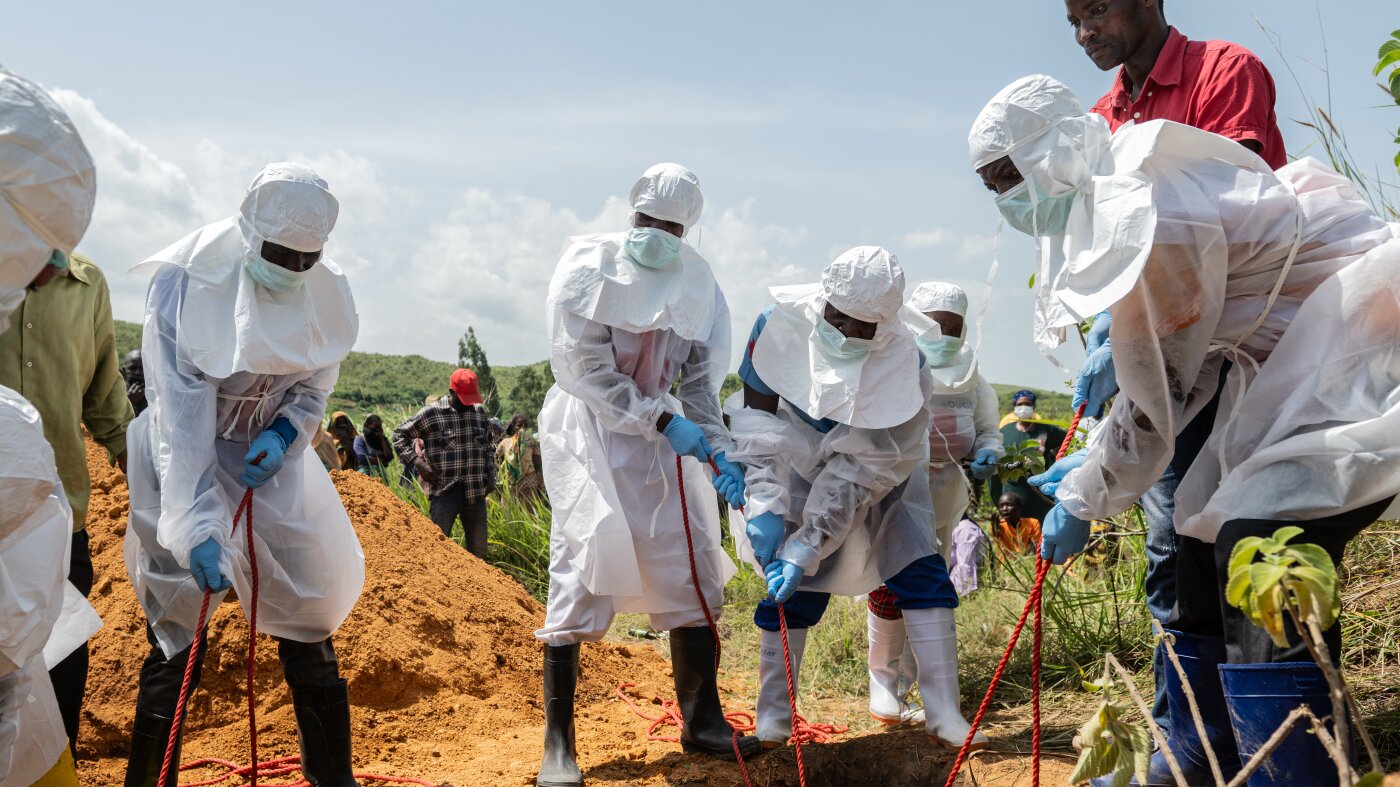
The Democratic Republic of Congo is in crisis mode as health workers battle a severe Ebola outbreak. Over 200 lives have been lost, and the situation is dire.
Recent reports state there have been 867 suspected cases of Ebola and 204 confirmed deaths. The government declared an outbreak on May 15, and now the affected area is larger than Florida. Alarmingly, Uganda has reported five confirmatory cases linked to this outbreak.
On Friday, the World Health Organization elevated the national risk level to “very high.” Abdirahman Mahamud, who leads emergency operations at WHO, warned that the virus could spread quickly. “The potential for rapid transmission is very high,” he said. Symptoms like fever, vomiting, and bleeding can take weeks to manifest, which complicates control measures.
Efforts to contain the virus are underway. Health workers, backed by UN staff and aid organizations, launched a large-scale response. However, estimates suggest the virus had been spreading for weeks before it was officially recognized, making the task even tougher.
The first case involved a nurse in the city of Bunia on April 24. Tragically, she and others were buried in a high-risk area where unexplained deaths had been reported before the outbreak was identified. Reports reveal widespread panic among locals, fueled by rumors of supernatural causes. Three Red Cross volunteers also died from suspected Ebola after handling infected bodies.
This outbreak is caused by the Bundibugyo strain, which is less studied compared to the commonly known Zaire strain for which vaccines exist. Congo has dealt with 17 official Ebola outbreaks since 1979, making this development particularly concerning.
As aid organizations set up treatment centers, U.S. aid cuts have posed challenges. Congo’s Health Minister, Roger Kamba, emphasized the need for more resources, stating, “The virus knows no borders.” The region has high poverty levels, with over 80% of the population living on less than $3 a day, which also complicates health response logistics.
East Congo faces additional hurdles from armed groups and poor infrastructure, especially in mining towns like Mongbwalu and Rwampara, which are often volatile. These areas are hard to access, and trust is low among local communities. Gabriela Arenas from the International Federation of Red Cross and Red Crescent Societies reported mixed reactions. While some seek help, others harbor suspicion and misinformation, which can hinder response efforts.
Confirmed cases are now extending to North and South Kivu, regions often influenced by rebel groups. The close economic ties between Congo and neighboring countries like Uganda raise fears about the virus crossing borders. Uganda has implemented travel restrictions and reported several new cases in individuals exposed to infected travelers from Congo.
This situation emphasizes the critical need for swift action and community engagement. Only collective efforts can bring this outbreak under control.
For more detailed information, you can check the [World Health Organization](https://www.who.int/) or [CDC](https://www.cdc.gov/) websites.
