
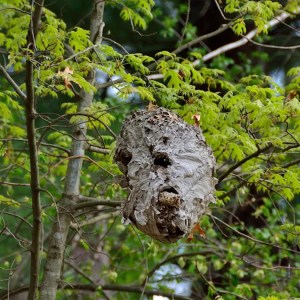
Scientists are raising concerns about the arrival of European parasitic wasps, specifically Bootanomyia dorsalis, on both the East and West Coasts of the United States. Although these tiny wasps can help control pest populations, their invasive nature could endanger native wasp species.
Parasitic wasps play a crucial role in ecosystems. They help balance insect populations in various environments, from forests to farms. According to Kirsten Prior, a researcher at Binghamton University, “Parasitic wasps are likely the most diverse group of animals on the planet. They act as biological controls, keeping harmful insect populations in check.”
However, these new European wasps could upset this delicate balance. Unlike native gall wasps, which lay their eggs in galls on oak trees, the invaders lay their eggs inside other wasp species’ galls. This disrupts reproduction, resulting in the invasive wasps’ young consuming the native wasps’ larvae. Research indicates these invasive wasps could significantly affect local wasp populations.
Interestingly, it’s believed these wasps entered the U.S. at least twice, as suggested by differences between the populations on the East and West Coasts. This highlights the complexity of how invasive species spread.
The impact of invasive species is a pressing issue. They often compete aggressively with native species, affecting local ecosystems, food supplies, and even economies. A 2019 study showed that invasive species have contributed to about 300 extinctions over the last 500 years, with nearly half occurring due to these invaders alone.
The rise of global temperatures is another factor in this invasion. Warmer climates allow species to thrive in areas they previously couldn’t inhabit, accelerating the spread of invasives.
Efforts to manage invasive species typically start with identification. Research like that from Binghamton helps to track these species and inform policies aimed at controlling their spread.
In addition to professional efforts, individuals can take steps to protect local ecosystems. Planting native gardens can provide vital habitats for local wildlife and help maintain ecological balance. These small actions can make a big difference in combating the challenges posed by invasive species.
For more information on conserving native species and the ecosystems they inhabit, check out trusted sources like the U.S. Fish & Wildlife Service.
Source link
parasitic wasps, invasive species, insect populations, ecological benefits, Bing U News, Europe
