
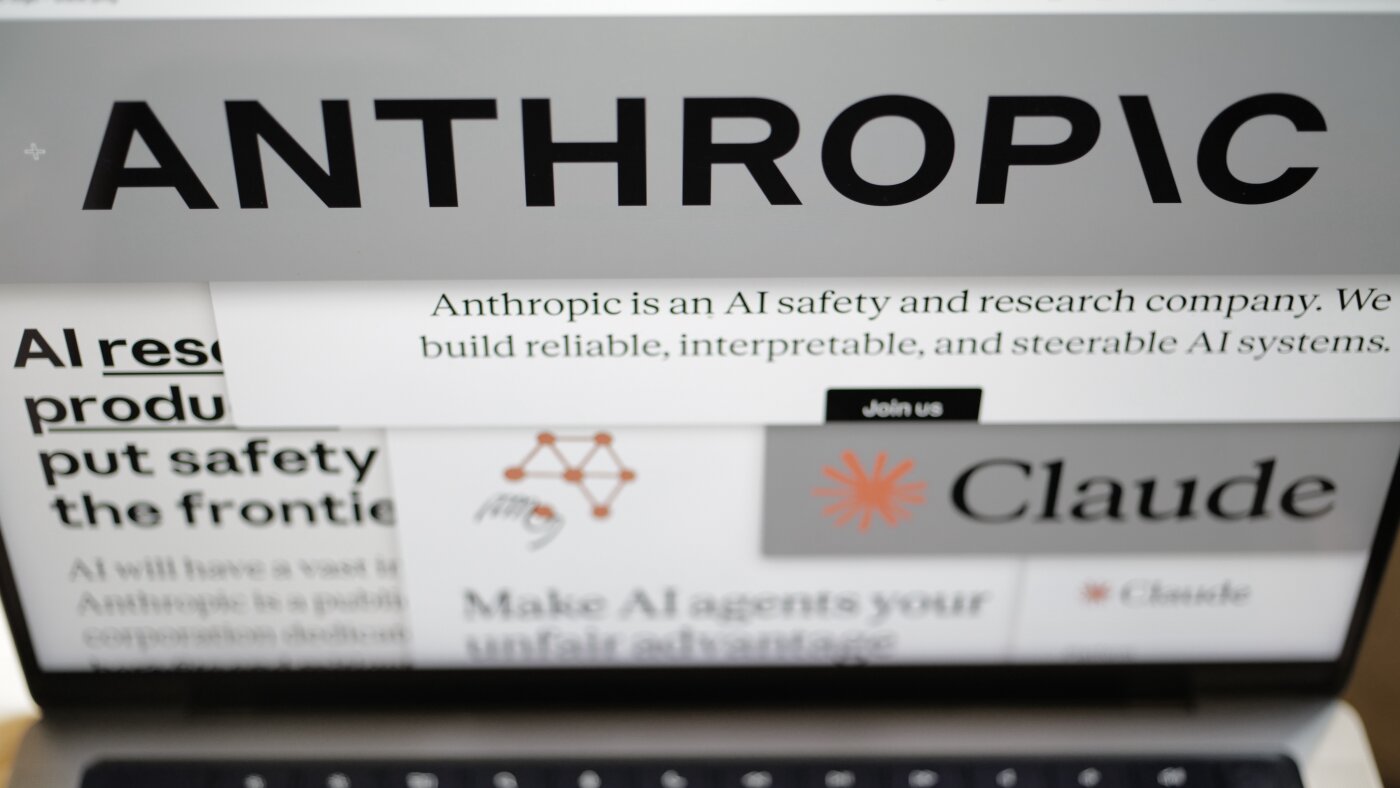
The Pentagon is facing a significant conflict with Anthropic, a leading AI company, regarding the military use of its AI model. The situation stems from Anthropic’s CEO, Dario Amodei, rejecting the Pentagon’s demands to loosen safety restrictions on their technology. This refusal puts Anthropic at risk of being blacklisted from lucrative defense contracts worth hundreds of millions of dollars.
The Disagreement Over AI Use
For several months, Amodei has maintained that Anthropic’s AI, known as Claude, should not be employed for mass surveillance or in fully autonomous weapons, which can operate without human input. He believes these applications are “illegitimate” and draw clear “red lines” for the company. On the other hand, the Pentagon insists it does not plan to misuse these tools but believes companies cannot dictate how their technology is employed.
A senior Pentagon official stressed that legality falls under the Pentagon’s purview as the end user of the AI technology.
A Tense Meeting
During a recent meeting, Defense Secretary Pete Hegseth reportedly threatened to terminate Anthropic’s $200 million contract if it did not comply with the Pentagon’s wishes. Hegseth’s comments implied that sanctions could include forcing Anthropic to allow its AI model to be used against its will. In response, Amodei firmly stated that they cannot in good conscience agree to such demands.
He believes that while technology can enhance defense, it can also threaten democratic values, especially in the context of surveillance and autonomous weapons. His statements reflect a growing resistance within the tech community against potential misuse of AI technologies.
Implications of “Supply Chain Risk”
If deemed a “supply chain risk,” Anthropic could find it difficult to maintain its contracts with not only the Pentagon but with other contractors as well. Geoffrey Gertz, a senior fellow at the Center for a New American Security, noted that this classification is generally reserved for technologies from foreign adversaries, like Huawei, making it a rare and significant designation.
Furthermore, the Pentagon’s potential invocation of the Defense Production Act to compel Anthropic to relax its restrictions is particularly concerning. This act is generally reserved for emergencies, raising questions about the government’s ability to exert control over private companies.
Public Reactions and Broader Concerns
On social media, discussions have erupted over this clash, with various opinions emerging on both sides of the argument. While some advocate for tighter restrictions on AI in military contexts, others believe that innovation should not be stifled for fears about potential misuse.
As the deadline given by the Pentagon approaches, the outcome remains uncertain, but it’s clear that tensions between defense and technology sectors are likely to continue growing. This could set a precedent for how AI is regulated in the future, impacting not only military applications but the entire tech landscape.
Conclusion
The clash between the Pentagon and Anthropic underscores the tension between the urgent need for advanced defense capabilities and the ethical considerations surrounding AI usage. As this situation unfolds, it could shape the future of military technology and its implications for democratic values worldwide.
For a deeper dive into the intersection of technology and defense, you can read this report.
