
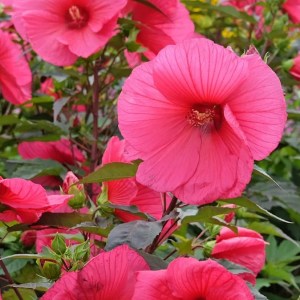
As autumn approaches, caring for hibiscus flowers becomes essential. The way you treat them now shapes their future blooms for next summer. A well-cared-for hibiscus not only flourishes but also attracts butterflies and bees, adding vibrancy to your garden.
Neglecting fall care can have serious consequences. Stressed hibiscus may struggle in spring, leading to fewer blooms and weak growth. If they face harsh winter conditions unprotected, they burn through their energy just to survive. Investing time in fall care now is like buying a ticket to a beautiful garden next year.
Understanding the difference between hardy and tropical hibiscus is crucial. Hardy species, such as swamp mallow (Hibiscus moscheutos) or Rose of Sharon (Hibiscus syriacus), can tolerate frost and benefit from pruning after the leaves drop. They thrive in USDA zones 4 through 9. On the other hand, tropical varieties like Chinese hibiscus (Hibiscus rosa-sinensis) prefer zones 9 through 11 and need extra protection from the cold. It’s best to cover these types or bring them indoors when temperatures drop.
Tips for Great Fall Care
Pruning: For hardy hibiscus, trim back dead branches to about 3 to 5 inches above the ground after the leaves fall. Remove spent flowers and seed pods to encourage new growth. Always use clean, sharp tools to prevent disease. For tropical plants, wait to prune until spring.
Mulching: A layer of organic mulch around the plants helps insulate the roots and maintain soil moisture. Aim for about 2 to 3 inches of mulch. Also, give the soil a good drink before the first freeze, but reduce watering afterward to prevent root rot.
Fertilizing: Use a low-nitrogen, high-potassium fertilizer. This boosts the plant’s cold resistance and strengthens existing stems. Avoid fertilizing during the winter to prevent encouraging new growth.
If you’ve moved potted hibiscus indoors, be mindful of its needs. You can gently prune it to keep it shaped, but water less frequently during the winter months. Once spring arrives, consider a more significant trim before moving it back outside.
Why It Matters
Research shows that proper fall care significantly influences a plant’s health and bloom potential. A study from the American Society for Horticultural Science found that plants with adequate seasonal care thrived better and produced more flowers than those that were neglected.
Taking care now means your hibiscus can flourish next season, giving you beautiful blooms and a lively garden. For more gardening insights and tips, check out resources from the American Society for Horticultural Science.
Source link
hibiscus flowers, swamp mallow, Hibiscus moscheutos, Hibiscus syriacus, tropical hibiscus
