
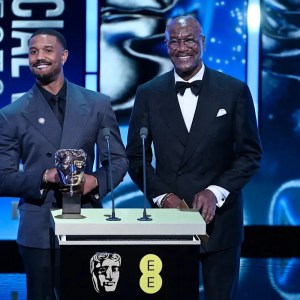
Audible gasps echoed through London’s Royal Festival Hall on Sunday when John Davidson, a Tourette’s syndrome activist, shouted a racial slur during the BAFTA Film Awards.
As the host, Alan Cumming, addressed the audience, he reminded everyone that Davidson’s tics are involuntary. This moment came from Davidson’s real-life experiences, which are explored in the BAFTA-nominated film I Swear. The BBC, which aired the event, has faced criticism for not muting the slur during the broadcast despite having a two-hour delay to make edits.
Many expressed outrage over how the situation was handled. Jamie Foxx called the incident “unacceptable.” Afterward, both Davidson and the British Academy of Film and Television Arts issued statements. Davidson clarified that his tics do not represent his beliefs, while BAFTA apologized to both presenters, Michael B. Jordan and Delroy Lindo.
What Happened?
Before the ceremony, the audience was warned that Davidson might have involuntary vocalizations. Sadly, when Jordan and Lindo took the stage, Davidson shouted the N-word, shocking everyone present. Cumming addressed the audience, stating, “You may have noticed some strong language… This can be part of how Tourette’s syndrome shows up.”
Despite the acknowledgment, the slur remained in the broadcast. Davidson also let out other profanity during the event, raising more alarms about how the situation was managed. Afterward, BAFTA chair Sara Putt and the producers faced backlash for their handling of the incident, especially given that similar remarks had been censored during the broadcast.
Who is John Davidson?
John Davidson, originally from Scotland, has been an advocate for Tourette’s syndrome for decades. His journey began at age 16 when he starred in the BBC documentary John’s Not Mad (1989). This film gained significant attention and helped highlight the challenges of living with Tourette’s. Over the years, Davidson has worked tirelessly to promote empathy and understanding for those affected by the disorder.
He expressed regret about the incident at BAFTA, stating he was “deeply mortified” if anyone assumed his tics were intentional. His advocacy earned him recognition; he was named a Member of the Order of the British Empire (MBE) for his work in raising awareness.
The Backlash
Despite the BBC airing the awards on a two-hour delay, the slur was not muted. Critics pointed out that other comments had been censored, making the failure to address this slur even more glaring. Media outlet Deadline noted discrepancies in how language was handled during the live event.
The BBC issued an apology for not editing the slur and affirmed, “This arose from involuntary verbal tics associated with Tourette syndrome and was not intentional.” In contrast, they managed to cut other strong statements made during the event.
Community leaders have weighed in on the incident, such as Ed Palmer from the nonprofit Tourettes Action, who suggested that bleeping the word could have been a straightforward solution.
Conclusion
The incident at the BAFTAs has sparked a wide-ranging discussion about Tourette’s syndrome and the responsibilities of events like these in handling sensitive situations. Moving forward, there’s a call for more inclusivity and understanding, not just in entertainment but across society. This incident serves as a reminder that empathy and communication can go a long way in bridging gaps in understanding for those living with conditions like Tourette’s.
For more on Tourette’s syndrome and advocacy, you can visit Tourettes Action’s official page here.
Source link
John Davidson, Delroy Lindo, Tourette’s syndrome, Alan Cumming, Michael B. Jordan, BAFTA, Royal Festival Hall, involuntary vocalizations, racial slur
