
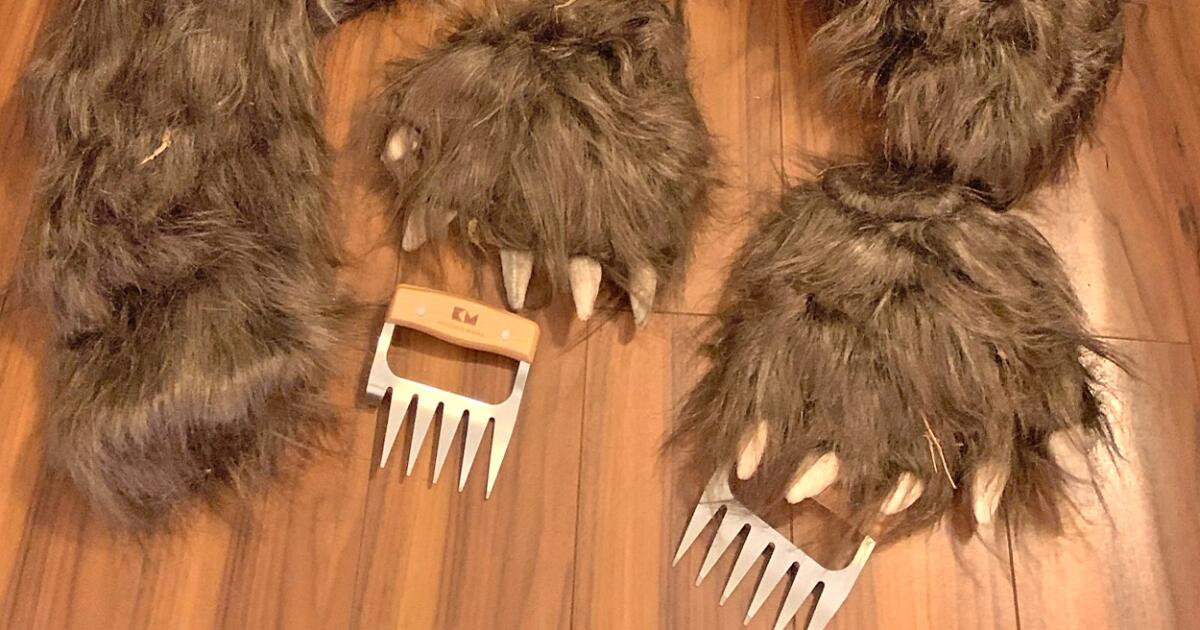
In a bizarre insurance fraud case recently unearthed in Southern California, three individuals have been sentenced for staging fake bear attacks on luxury cars. The trio, including Alfiya Zuckerman, 39, and two men from Glendale, cleverly donned a bear suit and targeted expensive vehicles, including a Rolls-Royce and two Mercedes-Benzes.
The scam, dubbed “Operation Bear Claw,” resulted in the fraudulent loss of $141,839. Initially, investigators spotted something strange while reviewing surveillance footage of a supposed bear attack on a 2010 Rolls-Royce Ghost. The vehicle, worth around $245,000, was supposedly damaged by a bear that scratched its interior. However, examination of the footage revealed that the “bear” was more likely a human in costume.
Capt. Eric Hood, with two decades of experience in fraud investigation, expressed his disbelief at the creativity behind this scheme. “It’s definitely out of the ordinary,” he remarked. Insurance fraud is a major issue in the U.S., driving up costs for honest consumers. Traditional scams often involve staged accidents or arson, but this approach was particularly unique.
Zuckerman and her accomplices made convincing claims, producing videos of the attacks that fooled some insurance companies. Bristol West and Progressive approved claims totaling $110,188, while a third claim to State Farm was rightfully denied when they reviewed the footage. Insurance investigators are aware of how scammers take advantage of systems, often leading to payouts based on faulty claims.
Experts like Harry Kazakian, a licensed private investigator, noted that companies are sometimes pressured to approve claims quickly to avoid bad faith lawsuits. They might not perform thorough inspections, enabling fraudulent claims to slip through the cracks. “Scammers know what damage to claim to maximize their payouts,” Kazakian explained.
In November 2024, a search at the defendants’ home revealed the bear costume and shredded meat used to further sell their story. The group faced serious charges, including aggravated white-collar crime. In a deal with prosecutors, they pleaded no contest and received a range of sentences including jail time and restitution payments.
Brian Darr, a forensic engineer with over 16 years in the field, emphasized the importance of consistency in evaluating claims. Investigators look for signs that indicate fraud, such as tool marks instead of authentic animal damage, making it easier to detect deceit.
This case serves as a reminder of how insurance fraud can take on surprisingly creative and outrageous forms. As Zuckerman, Tamrazian, and Muradkhanyan serve their sentences, it brings into focus the ongoing battle against insurance fraud and its impacts on everyday consumers.
For more on the intricacies of insurance fraud and prevention measures, check out resources from the California Department of Insurance.
