
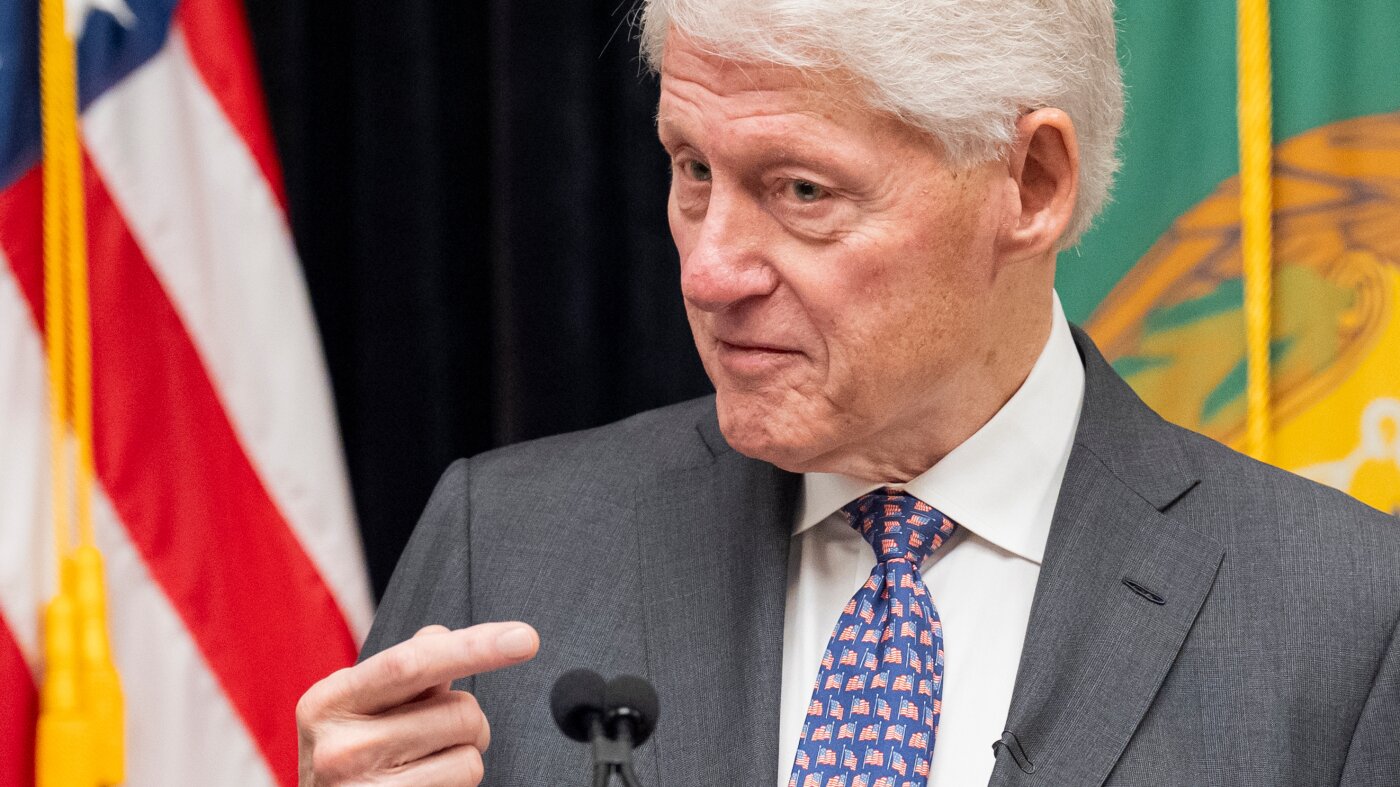
Former President Bill Clinton recently faced lawmakers in Congress regarding his past connections with Jeffrey Epstein. In a closed-door session, Clinton stated, “I did nothing wrong,” and emphasized that he had no knowledge of Epstein’s abusive actions.
This testimony marked a significant moment, as it’s rare for a former president to be summoned to testify before Congress. Clinton’s deposition lasted over six hours, with lawmakers asking him about his long-standing ties to Epstein. Despite the intensity of the questioning, GOP members left without directly accusing Clinton of misconduct.
Clinton argued that by the time Epstein pleaded guilty to solicitation charges in 2008, he had already ceased their association. While some GOP representatives suggested he had “selective memory,” others acknowledged his candidness during the deposition. Republican Rep. James Comer, chair of the House Oversight Committee, noted the importance of accountability for anyone who maintained ties with Epstein after his conviction. He stated, “Once you knew Jeffrey Epstein was a sex offender, why did you continue a relationship?”
Public and political reactions to this testimony have escalated discussions about accountability in leadership. Many have pointed out the number of influential individuals, from Hollywood stars to figures in finance and politics, who have faced consequences for their connections to Epstein. For instance, following the exposure of his actions, many men have lost their positions, emphasizing a growing demand for transparency and justice.
The issue of accountability also came into the spotlight with former Secretary of State Hillary Clinton’s testimony, which occurred shortly before Bill’s. The Clintons have faced pressure from both sides—Democrats wanting full accountability and Republicans seeking to investigate further into Epstein’s circle, including others like Donald Trump, who has denied any wrongdoing.
An interesting point of comparison is how public perception has evolved since 2008. Back then, Epstein was already considered a controversial figure, yet many in social and political circles still associated with him. The recent depositions signify a shift toward greater scrutiny and demand for transparency from public figures.
As these hearings unfold, they could set a precedent for how accountability is approached in the future, making it imperative for current leaders to consider their affiliations carefully. Indeed, what this means for Trump’s connections to Epstein remains a topic of debate, as calls for similar scrutiny arise.
This ongoing situation is a reminder of the intricate web of relationships in politics and their consequences. As it progresses, the public is left wondering what the long-term impacts will be on public trust and accountability within leadership. For more about the implications of these hearings, you can refer to the [House Oversight Committee reports](https://oversight.house.gov) for detailed insights.
