
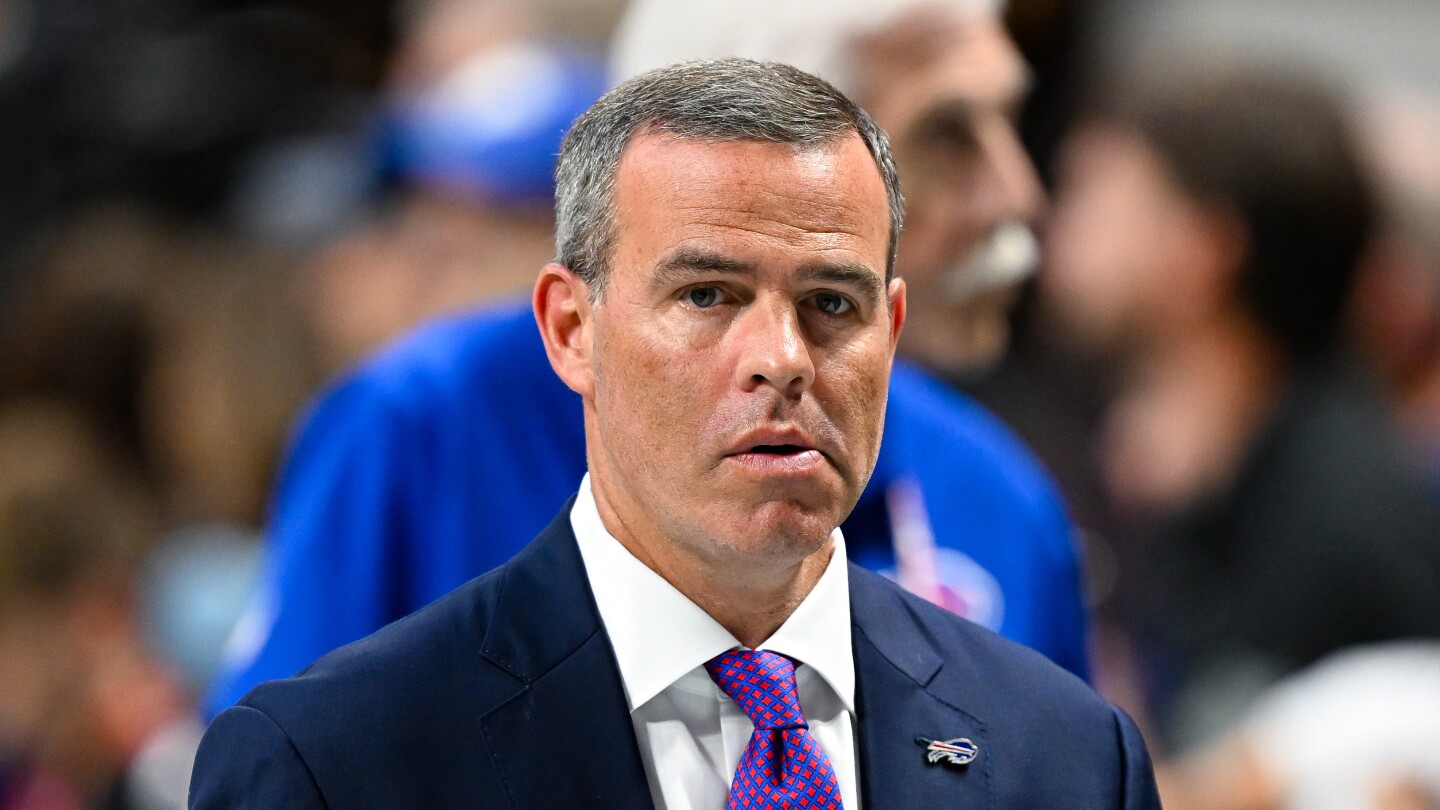
Wednesday’s press conference with Bills owner Terry Pegula and General Manager Brandon Beane was filled with tense moments, especially regarding recent coaching changes. Pegula recently fired coach Sean McDermott and promoted Beane, raising eyebrows among fans. One question stood out: Was this move a power play?
Beane responded, “As Terry said, there are disagreements all the time. It’s not like we’ve always agreed on every decision.” He emphasized that coaching decisions are separate from personnel choices, and both roles need clear boundaries.
Pegula jumped in, saying he detests power plays. “If I sense someone is trying to make a power play, they’re out,” he insisted. Beane visibly reacted, expressing his hurt over the implication of a power grab. “I’ve worked hard for 19 seasons to earn trust. Questions about my character are damaging,” he said. “I always have my team’s back.”
But the situation is more complex. When a season goes awry, ownership faces tough choices. Typically, General Managers have a better shot at job security compared to coaches. The GM often spends more time with the owner during games, which can lead to comments that favor their position over the coach’s.
In the NFL, coaches usually have a second chance, while GMs often don’t. This dynamic creates tensions where each party may protect their interests. If ownership considers cutting one, the other may attempt to align with the boss to save their role, which complicates team dynamics.
This issue became especially relevant this season. A survey showed that 62% of NFL fans think coaches should be fired if a team fails to make the playoffs. Interestingly, statistics from the NFL show that coaches with losing records are often let go quicker than GMs. This imbalance can lead to situations like the one in Buffalo, where strategic survival becomes a priority for both Beane and McDermott.
Ultimately, Pegula opted for a middle ground instead of a total overhaul. This reflects a broader trend in sports where team hierarchies often shape decisions that can impact long-term success. In a world where fan trust and player morale are vital, navigating these waters without tipping the scales is a challenge all GMs and coaches face.
For further insight into team dynamics and leadership in sports, you can explore research on organizational behavior in sports management from sources like Harvard Business Review.
