
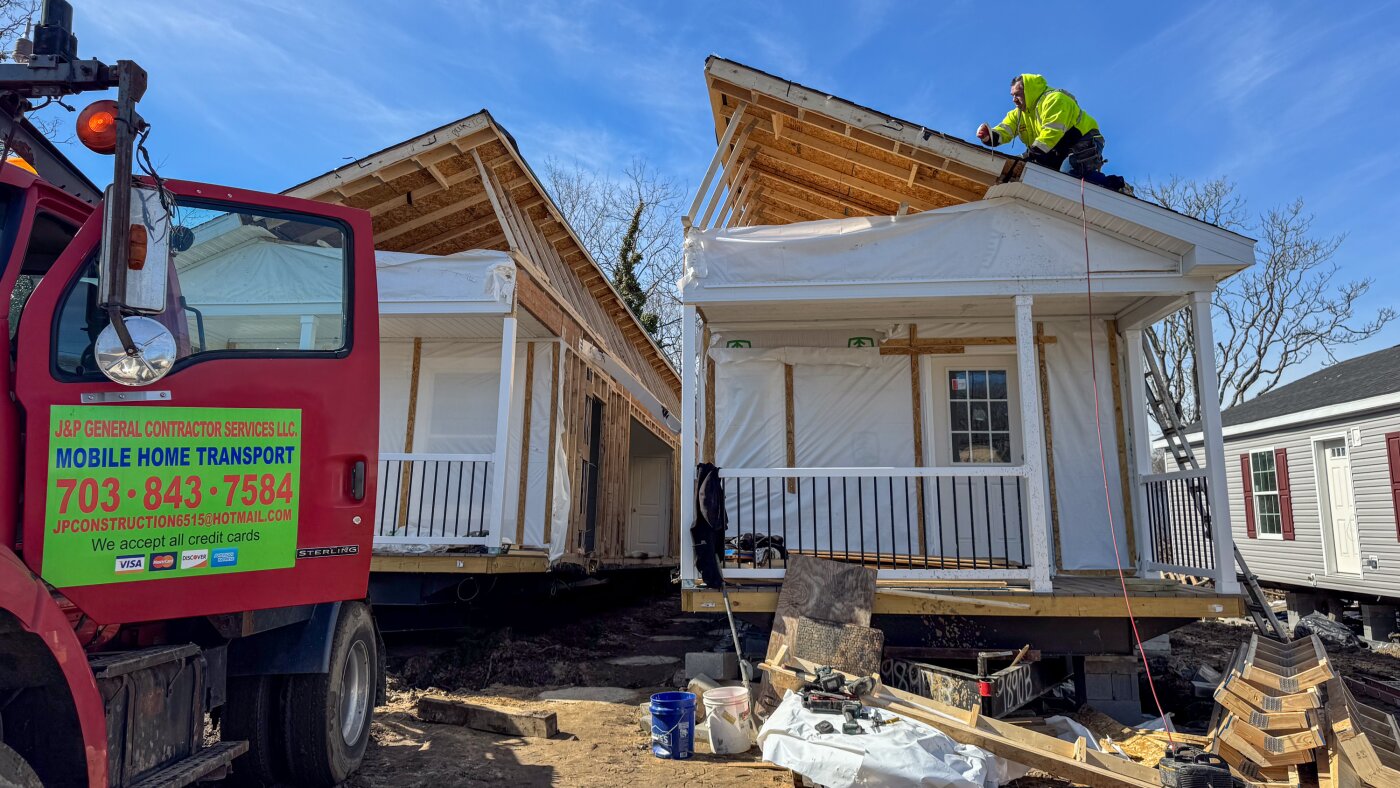
Petersburg, Virginia, is witnessing an exciting transformation in its housing landscape. Once seen as just empty lots, these spaces are becoming homes. Construction teams are uniting two halves of factory-built houses on residential streets, and they’re changing how we view affordable housing.
These homes are not your traditional mobile houses. With modern designs, they feature pitched roofs and porches that blend into the neighborhood of single-family homes. As cities around the country grapple with a housing shortage, factory-built homes are rising to the occasion, providing viable options for families.
Developer Tom Heinemann, from MH Advisors, is leading this charge. He aims to bring affordable housing to low- and moderate-income families in Petersburg. “Families deserve space to grow, play, and feel safe,” he explains, emphasizing the importance of community access.
Historically, manufactured homes faced stigma, often relegated to trailer parks. However, recent trends indicate a shift in perception. According to a study by the Pew Charitable Trusts, manufactured housing can effectively fill the gap left by declining starter homes, especially in areas where land prices have soared.
Experts are seeing momentum behind this change. For instance, in nine states, zoning laws have been relaxed to accommodate manufactured homes. Virginia has also introduced legislation designed to make financing easier for these properties, which traditionally were classified as personal property, complicating home loans.
At the forefront of this movement is Kennisha Missouri, a new resident in one of the manufactured homes. She was initially skeptical but found comfort and space for her family at a lower rent than her previous apartment. “I love it,” she says, highlighting how the design feels personal and inviting.
Heinemann’s developments in Petersburg offer nearly four dozen manufactured rental houses funded by federal tax credits, aimed specifically at individuals and families with lower incomes. After 15 years, residents have the option to buy their homes, laying the groundwork for wealth-building opportunities.
Moreover, city councilman Howard Myers notes the monumental change in Delectable Heights, where these homes are revitalizing the community. “This neighborhood has transformed,” he states, stressing the positive impact on safety and wealth among long-term residents as more people invest in their properties.
Recent estimates suggest that factory-built homes can be constructed for about half the cost per square foot compared to traditional builds. This efficiency makes them a critical component of combating the housing crisis. A recent showcase by Clayton Homes highlighted a 990-square-foot model, which could be marketed under $250,000, making it accessible for new buyers.
In a world where housing affordability feels increasingly out of reach, these factory-built homes represent a beacon of hope—combining quality, affordability, and community integration. As the stigma fades and acceptance grows, cities can harness this potential to create thriving neighborhoods.
For more information on manufactured housing trends and policies, visit HUD User.
