
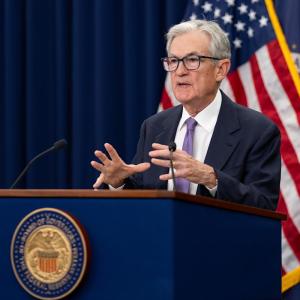
At a recent press conference, Federal Reserve Chair Jerome Powell addressed the impacts of rising inflation on consumers. He recognized that many people are feeling the pinch, stating, “We hear loud and clear” the worries about affordability.
But when it comes to solutions, Powell noted that the Fed’s options are limited. According to Apollo’s chief economist, Torsten Sløk, the Fed can’t do much to improve affordability. He remarked, “There’s actually not much they can do about that.” It’s true; a significant portion of consumer spending now goes towards essential needs like healthcare, housing, and education—all of which have become pricier in recent years.
This trend complicates the Fed’s task. Take housing, for example. Structural issues, such as low supply, keep prices high, making them resistant to changes in monetary policy. Sløk pointed out that if the Fed lowers interest rates, home prices could rise even more. This goes to show that the Fed lacks effective tools to tackle the affordability problem directly.
Powell echoed this sentiment, explaining that a minor adjustment in interest rates won’t significantly impact the housing market. He emphasized that much of the ongoing affordability challenges stem from higher costs established during the inflation peaks of 2022 and 2023.
Data supports these claims. A recent report from the Bureau of Labor Statistics shows that consumer prices for housing increased by nearly 20% over the past two years. This stark reality highlights the complexities surrounding the affordability crisis.
Interestingly, social media discussions reveal public frustration. On Twitter and Facebook, users share personal stories about how rising costs affect their daily lives, emphasizing the urgent need for effective solutions.
Overall, while the Fed can influence the economy in various ways, the deep-rooted issues in affordability remain a challenge, highlighting the need for broader systemic changes. For more details on the current economic landscape, you can explore the Bureau of Labor Statistics.
Source link
Kansas City Fed, Fed officials, Austan Goolsbee, Chicago Fed, interest rates, Federal Reserve cut interest rates, the Fed
