
The conflict in Iran has now stretched into its third week, leading to over 2,000 fatalities and a dramatic spike in global oil prices. The U.S. and Israel are launching daily strikes on Iranian targets, including military sites and key infrastructure, in response to threats posed by Iran, particularly from groups like Hezbollah in Lebanon.
Mojtaba Khamenei, son of the late Ayatollah Ali Khamenei, leads Iran now. His government has retaliated by sending missiles and drones to targets in Israel and various U.S. military bases across the Middle East. Most alarmingly, Iran’s threats to target shipping in the Strait of Hormuz have led to its closure, which impacts a significant portion of the world’s oil supply.
Looking at the U.S. military’s perspective, President Trump has claimed substantial success in these operations, yet he has also suggested the war could last indefinitely. His comments raise questions about the strategy and objectives of this military action. Iran’s foreign minister, Abbas Araghchi, has made it clear that the country is not seeking peace, emphasizing their stance against what they see as an illegal war.
Key Updates
Oil Prices Surge: Airstrikes on Iran’s South Pars natural gas field have caused international oil prices to rise over 6%, nearing $110 a barrel.
Casualties in Leadership: Israel has reported eliminating key Iranian leaders, allegedly undermining Iran’s military and intelligence capabilities. This includes intelligence chief Esmaeil Khatib and the prominent political figure Ali Larijani.
Domestic Response in the U.S.: Joe Kent, Trump’s counterterrorism chief, resigned, expressing his opposition to the war and arguing that Iran does not pose an imminent threat.
Recent historical context is important here. This escalated conflict follows a period of tension between the U.S. and Iran that began years ago with disagreements over Iran’s nuclear program. Past administrations focused more on coalition-building; however, Trump has criticized not just Iran but also the lack of support from allies.
The Human Cost
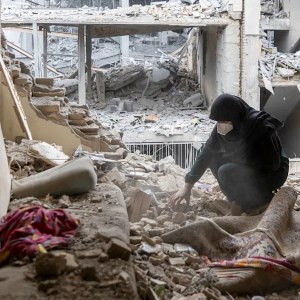
The toll has been devastating. Reports indicate that Iran alone has seen 1,444 fatalities, while Hezbollah’s conflicts in Lebanon have resulted in over 960 deaths. Israel has reported 14 deaths, while the U.S. has lost 13 service members. The escalating violence has displaced over a million people in Lebanon and hundreds of thousands in Iran.
Economic Fallout
With the Strait of Hormuz shut, oil prices have risen significantly, affecting the average cost of gas in the U.S., which is nearing $4 a gallon. Experts warn this could lead to increases in other goods since transportation costs will rise. The U.S. has attempted various strategies to stabilize the situation by considering the lifting of sanctions on other oil-rich nations and sending military support to protect shipping interests.
Yet, as multiple polls reveal, there is a growing sentiment among the American populace against these military actions, with many believing they compromise national security.
As the conflict continues, it remains uncertain how quickly and efficiently it may resolve. The leadership in Iran has made it clear they will respond to these confrontations as long as necessary, which suggests that what started as a military operation may evolve into a protracted crisis with significant ramifications for regional and global stability.
Source link
Ayatollah Ali Khamenei, Mojtaba Khamenei, Iran, President Trump, Ali Larijani, Israel, Israeli airstrikes, Iran, Iranian President Masoud Pezeshkian, Israel, oil prices
