
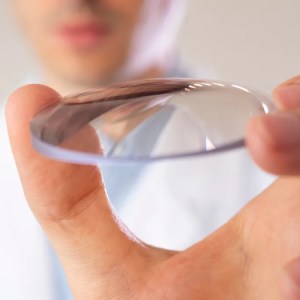
Researchers in the Netherlands have made a fascinating breakthrough by creating a new material called the “compleximer.” This compound combines the best traits of plastic and glass. It’s strong like plastic but can also be reshaped when heated, similar to glass. This advancement could change how we think about materials.
Jasper van der Gucht, one of the authors of the study, shared an interesting tip: “If you have a crack, just heat it with a hairdryer, press it together, and it seals itself.” This potential for self-repair means items made from compleximer might not need to be recycled as often, reducing waste.
The development of compleximer comes at a critical time. Plastic waste poses significant risks to wildlife and even ends up in our food supply. Many researchers are exploring various ways to improve plastic recycling and reduce dependence on harmful oil production.
Statistics show that only about 9% of plastic waste is ever recycled. This stark reality highlights the urgent need for new materials that can reduce our reliance on traditional plastics. Enhancing the recyclability of everyday items could help address this pressing issue.
Excitingly, the researchers aim to develop compleximer using biological materials, which would make it even more sustainable. However, mass production is still some time away. For now, this finding is igniting new questions about how materials work and creating fresh possibilities for the future.
As van der Gucht noted, “This casts a completely new light on something scientists have been trying to understand for decades.” As we learn more about compleximer, we may uncover new ways to rethink material science entirely.
For further insights on the environmental impact of plastic, you can check out resources from the Environmental Protection Agency.
Source link
Jasper van der Gucht, plastic manufacturing, oil production
