
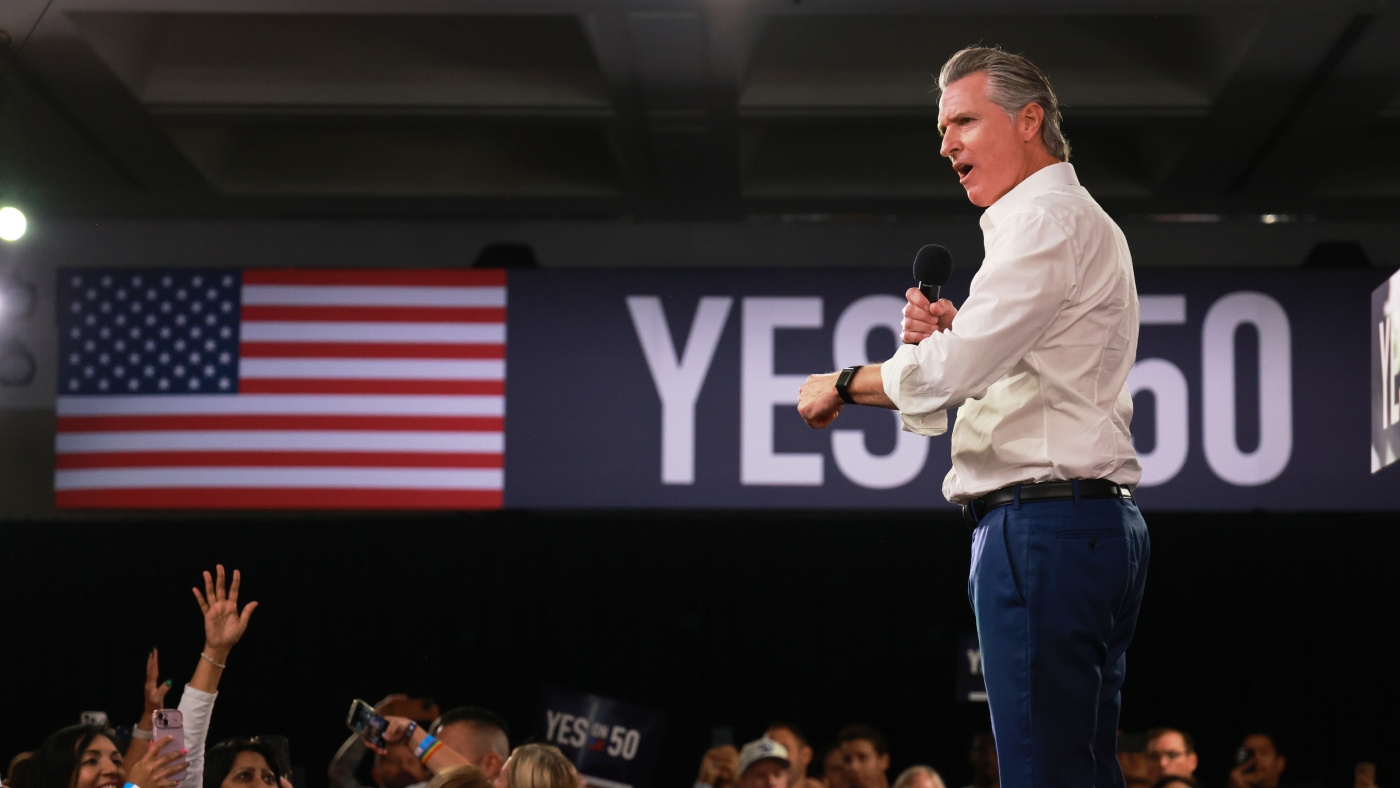
California voters have spoken, and they’ve chosen to redraw the state’s congressional map in a way that favors Democrats. This comes after the approval of Proposition 50, a significant win for the Democratic Party ahead of the 2026 midterms. The new map could potentially give Democrats five additional seats in the U.S. House elections.
The polls closed just as the Associated Press called the race for Proposition 50, marking a successful night for Democrats. The party also celebrated wins in Virginia and New Jersey. Governor Gavin Newsom strongly backed the measure, arguing that California needed to counteract Republican-led redistricting efforts aimed at solidifying their power.
California’s independent citizens commission, set up in 2010, previously handled redistricting. But to change the lines now, Newsom had to turn to voters for approval. While the commission enjoys popularity, Newsom highlighted the urgency of the situation. He emphasized that the state shouldn’t allow Republicans to gain an unfair advantage through gerrymandering.
Political strategist Erica Kwiatkowski Nielsen noted that the results reflect Californians’ desire to stand against former President Trump. She remarked, “These are unprecedented times,” underscoring the need for decisive action.
Newsom raised about $120 million for his campaign, with significant contributions from groups like the House Majority PAC and George Soros’ Fund for Policy Reform. The Yes campaign flooded the airwaves with ads featuring prominent Democrats, including former President Barack Obama and Rep. Alexandria Ocasio-Cortez. Polling before the election indicated over 90% of Democrats supported the measure, while more than 90% of Republicans opposed it.
On the other side, the campaign against Proposition 50 faced challenges. It was led by Charles Munger Jr., who initially supported the redistricting commission. Munger’s contributions made up a large portion of the opposing campaign’s funding, but as polls showed Proposition 50 gaining ground, support for the No campaign dwindled. Even former Republican governor Arnold Schwarzenegger took a subdued approach, voicing opposition only in a few public appearances.
These new lines will create challenges for some Republican incumbents, who will need to evaluate their chances in the revised districts. Representatives Ken Calvert, Darrell Issa, Kevin Kiley, and Doug LaMalfa will face tough decisions about their political futures.
The results of Proposition 50 signal a change in California’s political landscape, demonstrating the power of collective action against perceived injustices in redistricting. This shift may have ripple effects, especially as other states observe California’s approach to combating gerrymandering.
For more insights on redistricting and its effects on political strategies, visit NASA’s recent report on electoral data, which provides further context on how geography influences politics.
