
Early mornings in California begin with health officials dialing in for updates on global health emergencies. These calls, organized by the World Health Organization (WHO), were once joined by the federal government. However, since the Trump Administration decided to withdraw from WHO due to its handling of COVID-19, California has stepped up as the first state to join WHO’s Global Outbreak Alert & Response Network (GOARN).
Dr. Erica Pan, the head of California’s Department of Public Health, emphasizes the importance of this participation. “We’ve been in touch with other states that are also interested,” she says, highlighting Illinois’s plans to join.
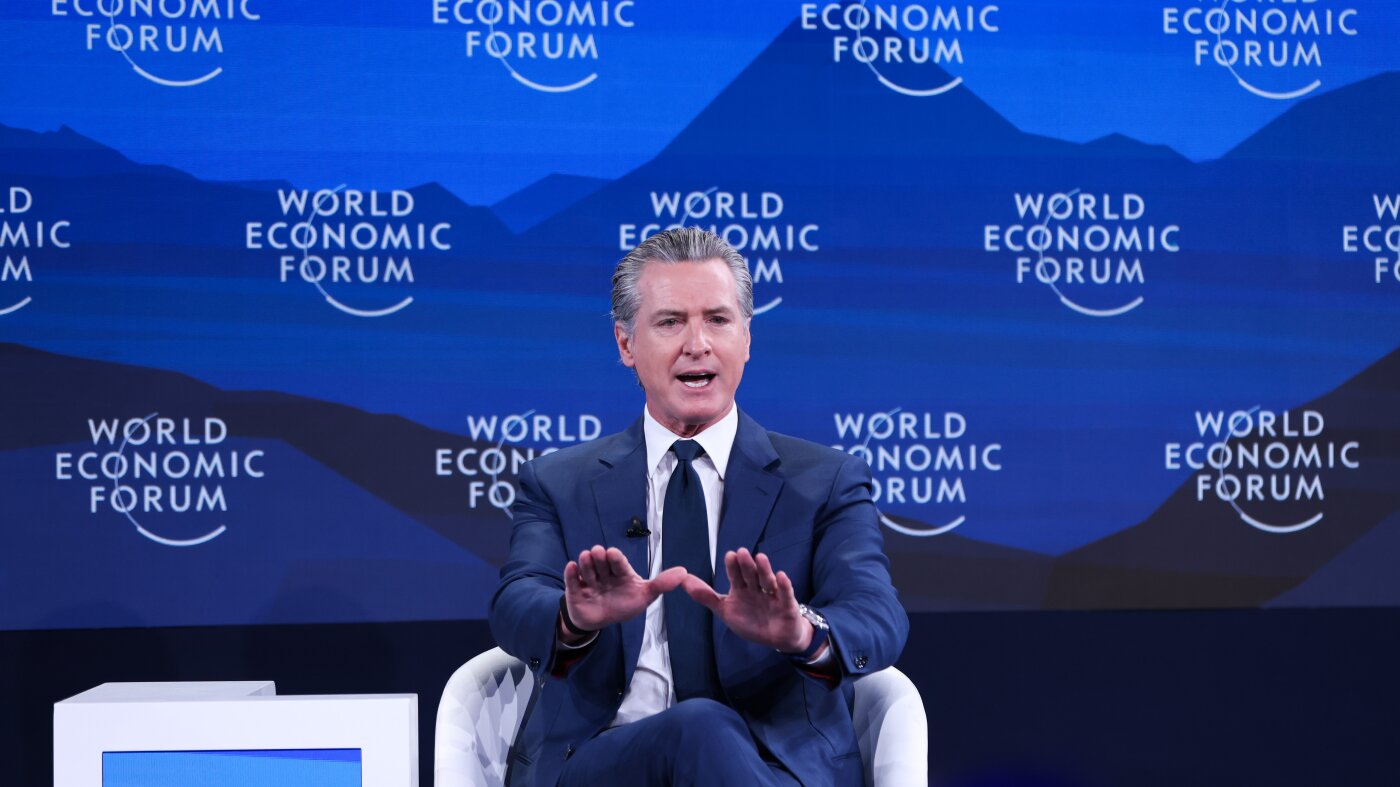
California’s Governor, Gavin Newsom, criticized the federal withdrawal, calling it a reckless move that endangers public health. “California will not bear witness to the chaos this decision will bring,” he stated.
This shift represents a growing trend where states take health matters into their own hands, according to experts like Dr. Gavin Yamey from Duke University. He believes this approach is vital since federal health duties have diminished. “It’s a smart move. States need to be part of the global response to health threats,” Yamey stated.
While California cannot become a full WH0 member, it can still engage with GOARN, which includes over 350 entities working to tackle infectious disease outbreaks. Established in 2000, GOARN was created to enhance global coordination during health crises. It has played critical roles in managing threats like SARS and Ebola.
As a member of GOARN, California gains access to regular updates and global health intelligence. With fewer federal guidelines, Pan notes that being part of this network helps the state anticipate health threats better. “It allows us to respond more effectively,” she adds.
In contrast, the U.S. federal government is opting for bilateral health agreements with individual countries instead of participating in WHO-led initiatives. The Department of Health and Human Services has stated, “States do not dictate U.S. foreign policy.”
This decision isn’t universally accepted. Some experts, like Brett Schaefer from the American Enterprise Institute, suggest that the U.S. should still engage in specific WHO forums to stay informed. “It’s vital to ensure access to key data during health threats,” he said.
There’s a concern that this separation between states that join WHO and those that don’t could result in disparities in health information access. Yamey warns, “This could create a tragic divide in public health decision-making.”
California aims to collaborate with non-GOARN states to ensure broader support and information sharing. “As the largest state with a significant health department, we want to lead by example,” Pan concludes, reinforcing the proactive stance California is taking in global health matters.
