
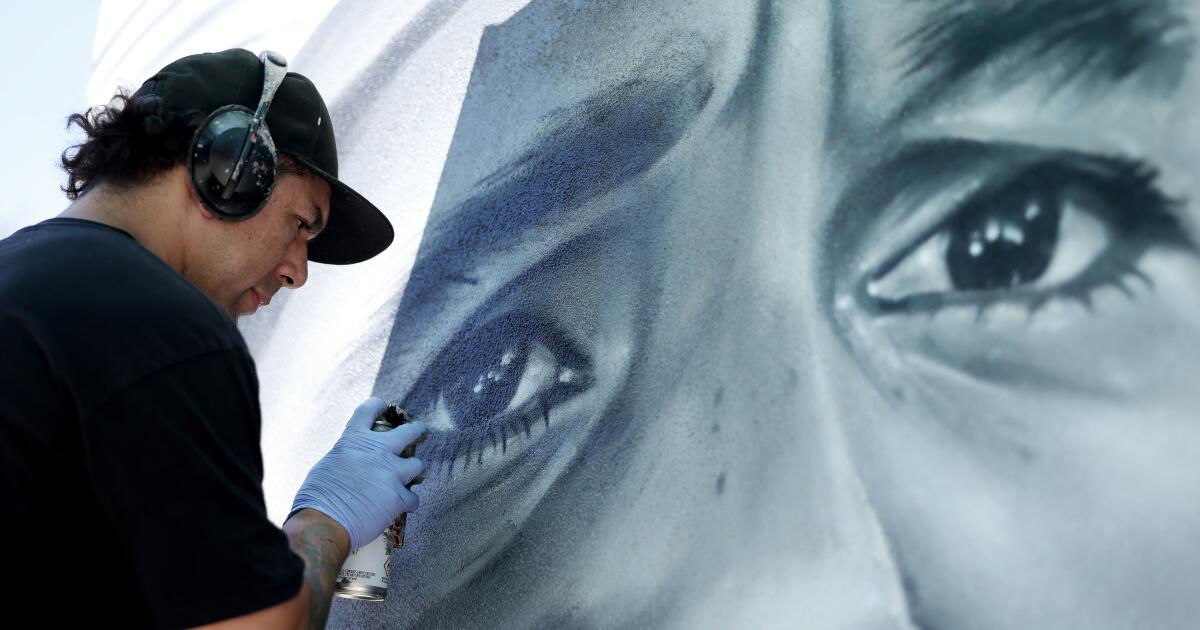
It took 30 years for the name of Cesar Chavez to be honored across California, but now it seems his legacy is unraveling in days. Following serious allegations of sexual abuse against Chavez, the reaction has been swift and intense. Statues are being covered, murals painted over, and even street names are being reconsidered just days after these claims surfaced.
In places like Fresno, a major street that once bore his name will revert to its original title—Kings Canyon Road—after only three years of commemoration. This rapid response highlights how communities are grappling with this new information. In Los Angeles, Mayor Karen Bass announced that Chavez’s birthday will no longer be celebrated as a holiday; instead, it will be renamed “Farm Workers Day” to focus on the contributions of all farmworkers.
Chavez was once a symbol of worker rights, but now many are questioning how we honor historical figures. Similar shifts have occurred with other controversial names. For instance, streets and parks dedicated to figures tied to the Confederacy have been renamed, but these changes happened over a longer period, allowing for community discussion and reflection.
The pace of change regarding Chavez has surprised many. Activists emphasize the need for immediate action to show that abusive behavior will not be tolerated, while also redirecting attention to the broader movement for labor rights.
Araceli Molar de Barrios, a former farmworker, reflects on the sacrifices of laborers. She worked the fields for nearly 30 years and knows the struggles that come with such demanding jobs. She believes it’s crucial to honor the hard work of farmworkers who often work in challenging conditions.
Dolores Huerta, a fellow labor leader and ally of Chavez, echoes similar sentiments. She argues that instead of naming places after individuals, it might be better to honor the collective struggle of farmworkers. “Each street should be named for the martyrs of the Farm Workers Movement,” she stated, emphasizing that the fight goes beyond any single person.
Experts like Catherine Gudis, a history professor, caution against hasty decisions. She believes that while it’s easy to remove Chavez’s name and likeness, addressing the complex narratives of history is far more challenging. She suggests that communities should focus on uplifting lesser-known figures in the labor movement, creating a more authentic representation of their struggles.
This moment isn’t just about Chavez; it’s about reevaluating how society treats its heroes. With approximately 66% of Americans advocating for discussions on historical figures and their legacies, the conversation around figures like Chavez is more relevant than ever.
As cities navigate these changes, the focus will likely shift toward understanding the larger historical context and ensuring that all individuals who fought for rights are recognized appropriately. The legacy of labor rights may yet evolve beyond individual names, placing emphasis on the collective achievements of many.
For more in-depth examination of these trends and their implications, refer to authoritative sources like the Los Angeles Times, which continues to cover these developments.
