
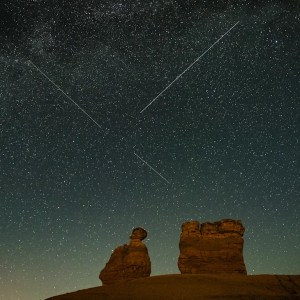
The Perseid meteor shower peaked recently, but skywatchers can still enjoy the spectacle until August 23. This annual event, active since July 17, is often dubbed the best meteor shower of the year. At its peak, you could spot up to 100 meteors an hour, compared to the typical 15 seen during other showers.
If you missed the peak, don’t worry! You can catch some meteors over the next few nights. The best place to see them is in a dark area, away from city lights. Look northeast before sunrise. For more exact viewing times, check out the Global Meteor Network.
What makes the Perseids special? They originate from comet 109P/Swift-Tuttle, which orbits the sun every 133 years. As Earth passes through the debris left behind by the comet, we see bright meteors streaking across the sky. The shower is named after the constellation Perseus, where the meteors appear to radiate from.
Meteors can leave long, bright trails, making them easy to spot. They are bits of debris that burn up in our atmosphere, creating what we often call “shooting stars.” Meteor showers like the Perseids happen at specific times each year when the Earth crosses the comet’s path, revealing the beauty of these celestial events.
Recent studies show a growing interest in astronomy. For example, a 2021 survey found that 58% of respondents have looked at the night sky more since the pandemic began. People are increasingly sharing their experiences on social media, in awe of these natural displays.
To get the most out of your meteor watching, find a comfortable spot, bring a blanket, and try to relax. It’s a great chance to connect with nature and maybe even spot a few “falling stars.”
For more information on meteor showers and their science, the NASA website is a great resource.
Source link
meteor shower, Perseid meteors, Perseid shower
