
States are in a bind as they try to provide food assistance to families in need while navigating a Supreme Court order and directives from the Trump administration. Recently, administration officials told states to roll back plans to fully fund the Supplemental Nutrition Assistance Program (SNAP).
This turmoil follows a Rhode Island federal judge’s order demanding full SNAP funding, saying the government was withholding payments for political reasons. While the administration said it would comply, it also appealed the order, leading the Supreme Court to temporarily pause these full payments.
Adding to the confusion, the administration warned states that those who do issue full payments might face financial penalties or have to cover costs themselves. The U.S. Department of Agriculture (USDA) emphasized that unauthorized payments could result in significant consequences, including the cancellation of federal funds.
Rhode Island, which had already sent full SNAP benefits before the Supreme Court’s pause, is among several states grappling with this chaotic situation. Governor Dan McKee criticized President Trump for creating “chaos” and “playing games” with the needs of families who rely on these benefits.
Before the Trump administration’s threats, about two dozen states sought protection from a federal judge, fearing they could be forced to repay the federal government for funds used by their residents—a potential liability estimated in the hundreds of millions.
During this crisis, Secretary of Agriculture Brooke Rollins blamed Democrats for the funding issues and criticized what he called “activist judges.”
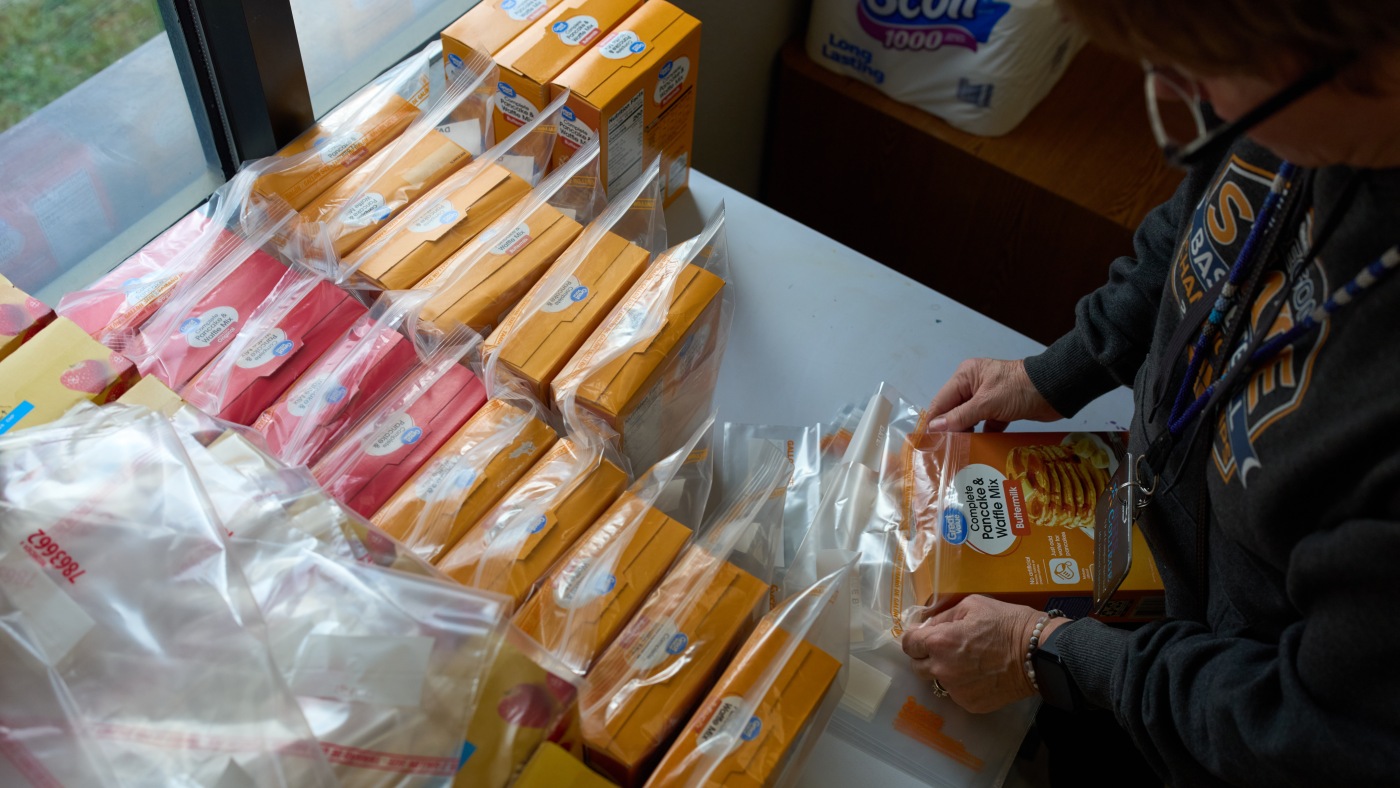
Meanwhile, hunger relief organizations are feeling the impact. The Facing Hunger Foodbank in Huntington, W.V., reported a significant increase in food distributions as uncertainty about SNAP benefits continues. CEO Cynthia Kirkhart noted that the constant back-and-forth leaves families feeling hopeful one moment and discouraged the next. “We can do better,” she remarked.
This situation is part of a larger trend where food insecurity has risen. According to recent statistics, nearly 13 million American households faced food insecurity in 2021, and that number has likely increased during the ongoing economic struggles. As families await clarity on SNAP, they face a challenging winter ahead.
For more detailed statistics on food assistance programs, you can visit the USDA’s official SNAP site.
Source link
