
BEIJING — China is standing firm against a potential 100% tariff threat from President Donald Trump. The country’s Commerce Ministry urged the U.S. to settle differences through discussions, rather than escalating tensions.
“China’s stance is clear,” the ministry stated online. “We prefer negotiation over a trade war, but we are ready to defend our interests.”
This comment came after Trump threatened to raise tariffs on Chinese imports by November 1. This move seems to be in reaction to new Chinese restrictions on rare earth exports, crucial for many tech and military goods.
Trump’s tariffs are part of a broader strategy that has seen increased taxes on imports from multiple countries since he took office. Surprisingly, China has notably resisted backing down, leveraging its economic power.
The situation is tense. The exchange of threats has the potential to derail an upcoming meeting between Trump and Chinese leader Xi Jinping. A previous trade truce saw tariffs briefly soar above 100% in April.
The Commerce Ministry criticized Trump’s tactics. They noted that reliance on high tariffs isn’t a productive approach to relations with China and emphasized the need for dialogue based on mutual respect.
If the U.S. persists with its current approach, China is prepared to respond firmly to protect its legitimate rights and interests.
In addition to the 100% tariff threat, Trump indicated he might implement export controls on what he termed “critical software,” although specifics were lacking.
The trade conflict has intensified with both nations accusing each other of undermining the spirit of past agreements. Trump has stated that China poses a growing threat by restricting essential rare earth materials.
China’s response highlights the U.S. actions that seem to escalate tensions, like expanding restrictions on Chinese companies. Furthermore, China holds significant sway in the global rare earth market, controlling around 70% of its mining and approximately 90% of processing. These minerals are essential for producing a wide range of technologies, from electric vehicles to consumer electronics.
The recent Chinese regulations require foreign firms to secure government approval for exporting items that include rare earths sourced from China. This control impacts not only American companies but also manufacturers worldwide, including those in Europe.
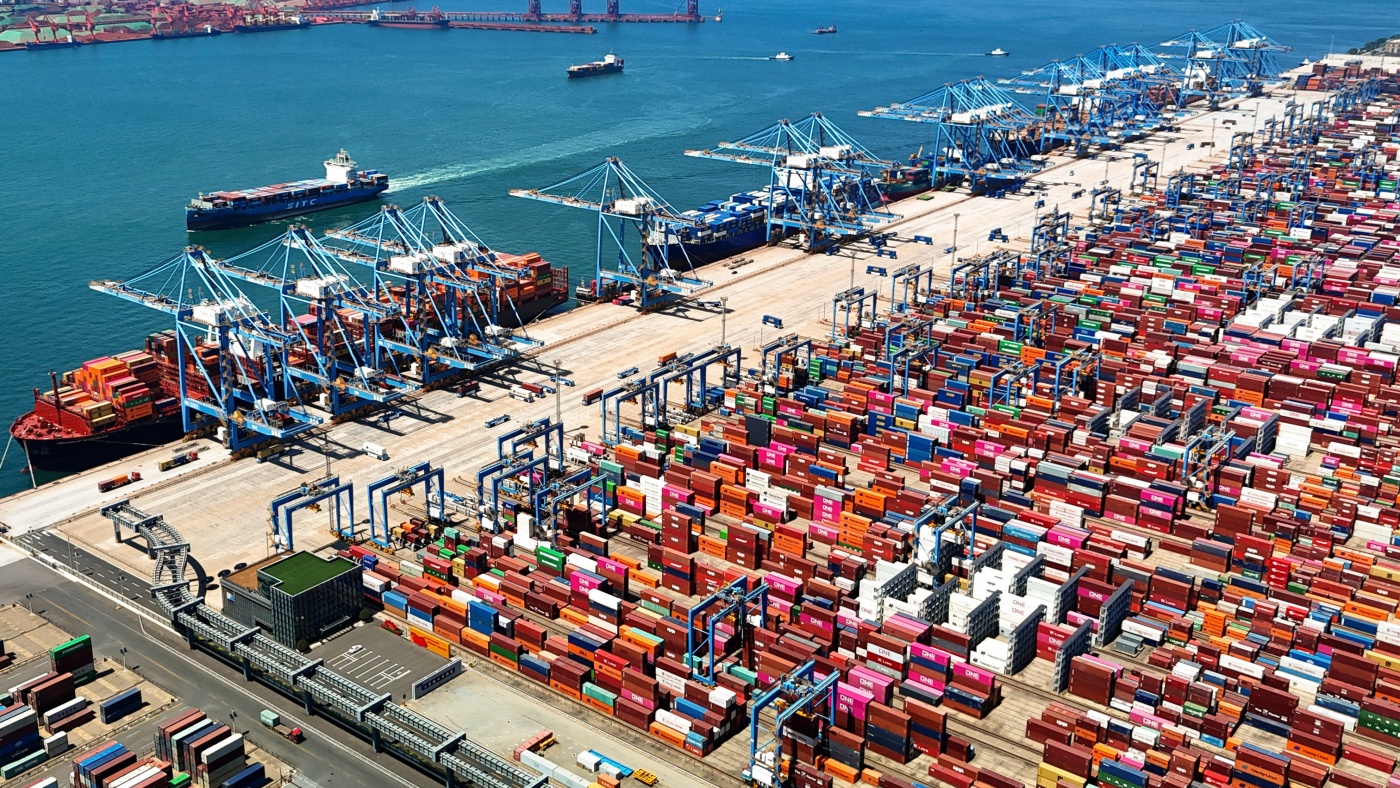
In a bid to escalate their response, China recently announced that it would impose port fees on American ships, mirroring a new fee structure that the U.S. is implementing for Chinese vessels.
Amidst this ongoing conflict, nearly 60% of U.S. consumers expressed concern about potential price increases on everyday goods resulting from the tariffs, according to a recent survey by the Pew Research Center. As tensions remain high, both sides will need to find a more sustainable way to address their trade issues without resorting to damaging tariffs.
For more insights into the intricacies of U.S.-China trade relations, you can refer to the latest updates by CNBC.
