
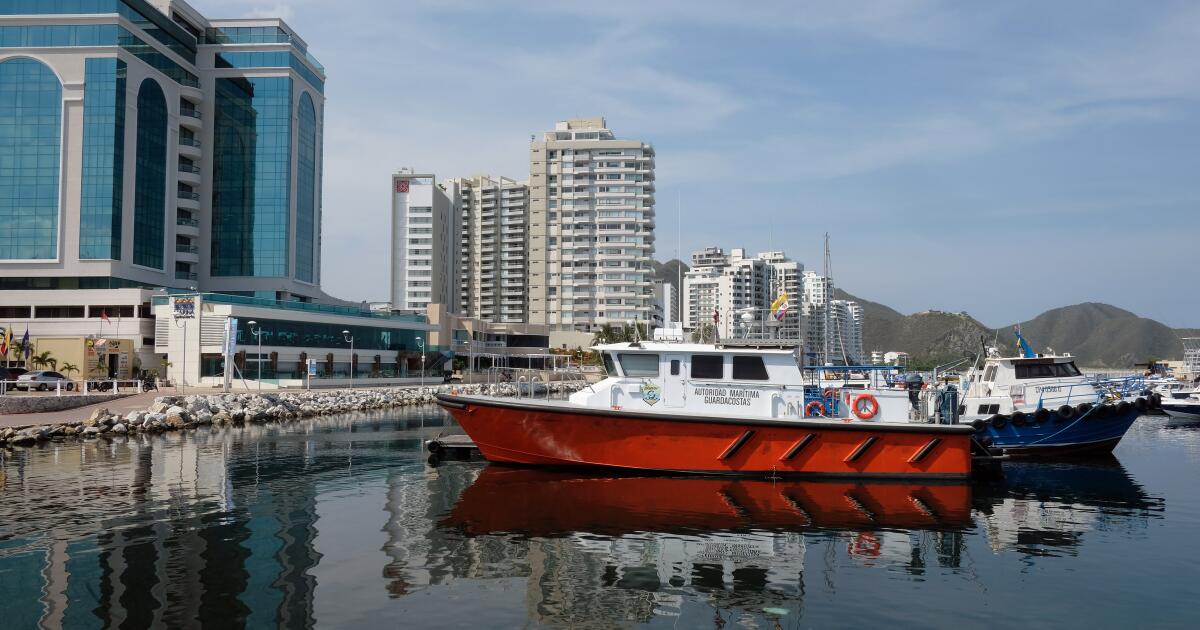
Just across from the site of an important climate conference in Colombia, oil tankers are busy unloading at Pozos Colorados terminal. This juxtaposition highlights a central issue: the struggle between climate goals and reliance on fossil fuels.
The conference in Santa Marta, attended by over 50 countries, aims to address this tension. It includes oil-producing nations like Nigeria and large consumers such as Germany. These discussions come as a response to frustrations over slow progress in past UN climate talks. At COP28 in Dubai in 2023, countries agreed to transition away from fossil fuels, but little went beyond that. Interesting to note, even at COP30 in Brazil, a proposed roadmap to phase out fossil fuels was removed due to a lack of consensus, upsetting many delegates.
The urgency for change is growing. The ongoing conflict in Iran underscores the risks of relying on fossil fuels. Countries are feeling the pinch from fluctuating energy prices, which many say is a wake-up call for cleaner energy solutions. Natalie Jones from the International Institute for Sustainable Development pointed out that the energy crisis currently at play serves as a real reminder of how unstable fossil fuel reliance can be.
David Waskow of the World Resources Institute said it’s crucial to shift focus from just wanting to end fossil fuel use to actually figuring out how to do it. One key step, he noted, is developing a global roadmap. Brazil plans to introduce one at COP31 in Turkey in November. The conference in Santa Marta is seen as a starting point for building this roadmap.
Unlike the formal structures of UN talks, this conference is designed to be more collaborative, involving governments, scientists, and civil society. The outcomes won’t be binding agreements but rather a report that reflects discussions and ideas shared.
However, it’s important to recognize who is missing from the conversation. Major polluters like the U.S., China, and India, along with significant oil-producing nations, are not participating. For instance, Saudi Arabia has historically resisted discussions about phasing out fossil fuels.
High oil prices, spurred by the Iran war, create a dilemma for policymakers. While there is an increased push for renewable energy, there’s also pressure to boost oil production in the short term. This has led to mixed results, with countries like France shifting toward electric power for households instead of relying solely on fuel aid.
As host, Colombia showcases the complexities of transitioning away from fossil fuels. President Gustavo Petro has made strides in this direction, halting new oil and gas exploration and advocating for a ban on fracking. Yet, contradictions abound: recently, Colombia expanded its capacity for refined products, indicating a continued reliance on fossil fuels.
Looking ahead, Colombia faces its own political shifts. Polls show conservative candidates gaining ground, which could lead to a reversal of Petro’s climate policies. If these candidates win, there’s a strong likelihood of increasing fossil fuel activities, including fracking.
Global warming is on a concerning trajectory. The U.N. predicts that even full implementation of current climate pledges may only result in a temperature rise of 2.3 to 2.5 degrees Celsius this century, far exceeding the 1.5-degree threshold scientists warn is crucial for avoiding severe climate impacts.
The Global Carbon Budget reported that carbon dioxide emissions reached a new high of 38.1 billion tons in 2025, marking a 1.1% increase from the previous year. This highlights the persistent challenge of reducing emissions.
Claudio Angelo from Brazil’s Climate Observatory noted the significance of the Santa Marta conference itself. He emphasized that, despite the history of fossil fuels causing climate change since the 1960s, this conference represents a key moment for countries to come together specifically to tackle the issue.
As the global community navigates these challenges, dialogues like the one in Santa Marta could pave the way for future progress—or reveal deeper divides in the fight against climate change.
Source link
