
Kratom Ban Coming to Yellowstone County
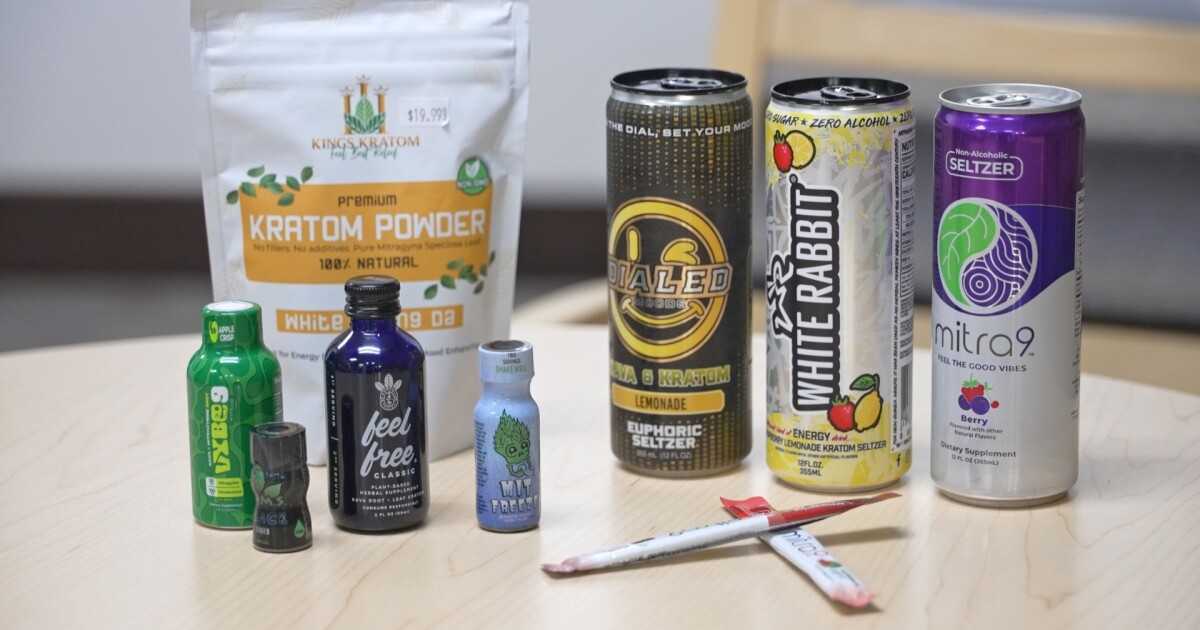
In Yellowstone County, riverStone Health will ban the sale of kratom in restaurants and food establishments starting January 1. This decision comes amid safety worries and rising overdose deaths linked to kratom.
This makes Yellowstone County the first in Montana to enforce such a ban outside the Blackfeet Reservation, which acted against kratom earlier this year. RiverStone Health, the local public health department, aims to keep kratom out of the food supply.
“We have the authority to take this step for public safety,” said Jon Forte, CEO of RiverStone Health. Kratom, a tropical plant from Southeast Asia, is used for pain relief, energy, and to help with opioid withdrawal. However, it isn’t regulated by the FDA. This means it can’t be legally sold in food or drinks in Montana.
The ban includes all kratom products: pills, teas, drinks, and more. RiverStone reports at least 29 kratom-related overdose deaths in Montana since 2020. Among these, five were from mitragynine, a compound found in natural kratom.
Forte emphasized, “This isn’t just about banning kratom; it’s about protecting our food supply.” The plan includes notifying local businesses and giving them time to comply before enforcing penalties.
Many business owners and kratom users are worried about the ban. Some feel it unfairly treats natural kratom the same as synthetic forms, which can be more dangerous. Rony J. Stevens, a Billings resident and state House candidate, supports targeting synthetic products but worries about the impact on responsible businesses.
“I think we need to be careful, so we don’t hurt businesses that are following the rules,” Stevens said. Others, like Stefen Flores from the kratom industry, believe access to natural kratom is crucial for those recovering from addiction.
“They might turn back to more harmful substances if kratom isn’t accessible,” Flores warned.
While the ban may not sit well with everyone, RiverStone Health is working with state lawmakers to create targeted regulations. This could help focus on synthetic products rather than natural kratom.
As discussions unfold, the primary goal remains clear—safety first for the community. “No one should have to worry about what’s in their food,” Forte added.
