
The Department of Homeland Security (DHS) is now focusing on unaccompanied minors in the immigration system. They’ve introduced a “voluntary option” for these children to return to their home countries. However, many lawyers representing these minors are alarmed by the potential consequences of this program. They worry that children might be pressured into giving up their rights, including the chance to see an immigration judge before leaving the country.
Earlier this year, DHS tried to cut funding for legal support for these minors. Although funding was halted in March, a federal judge ordered it to continue in April due to the Trafficking Victims Protection Reauthorization Act. Last month, there was an alarming incident where 76 undocumented children were set for deportation to Guatemala before a judge intervened.
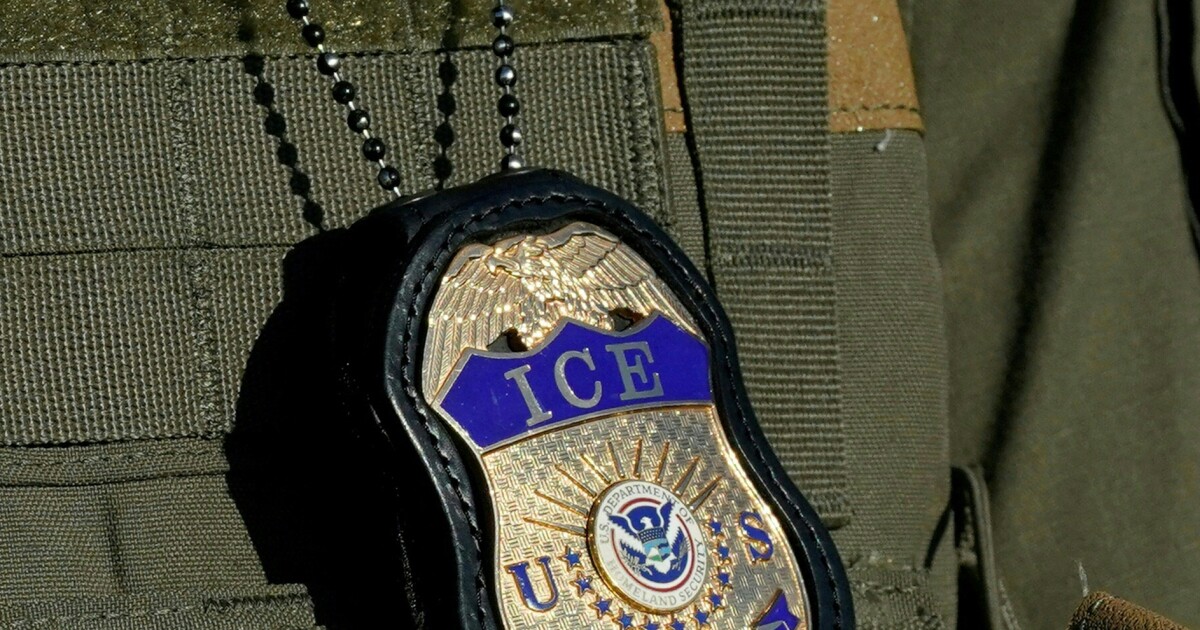
Unverified reports have emerged on social media about an ICE action called “Operation Freaky Friday.” It’s alleged that ICE plans to send “offer” letters to minors aged 14 and older, offering $2,500 in exchange for waiving their rights to an immigration judge. If they refuse, there are claims they could face detention once they turn 18, along with possible arrests for their family members. However, these claims remain unverified.
DHS has rebuffed the operation’s name, labeling it a creation of “anti-ICE activists.” Yet they admitted a program exists that resembles what these reports described. They stated that ICE and the Office of Refugee and Resettlement (ORR) are providing a voluntary option for children to return home with access to financial support.
Under a legal settlement from 1997, unaccompanied minors must be transferred to ORR custody shortly after being detained by DHS. An email from the Department of Health and Human Services (HHS) confirmed that eligible children could receive $2,500 if they take this offer, with some exceptions.
Lawyers working with these children express serious concerns about the implications of this offer. Yasmin Yavar, from the American Bar Association’s Children’s Immigration Law Academy, pointed out that children might not fully understand the consequences of waiving their rights. She emphasized that detained children should receive a “Know Your Rights” presentation and legal advice.
Mickey Donovan-Kaloust from the Immigrant Defenders Law Center noted that the financial incentive could take advantage of these children’s vulnerabilities, raising ethical concerns.
Many children currently live with family in the U.S. during their immigration process. Legal regulations typically support releasing minors to live with parents or close family while they wait for their court dates. Some lawyers argue that accepting this offer could jeopardize the children’s safety.
Bilal Askaryar from the Acacia Center for Justice highlighted the difficulty of ensuring that children truly understand what they are signing. He expressed grave concern that a child welfare untrained agent could gain consent for decisions that might put these children at risk.
Recent statistics indicate a surge in the number of unaccompanied minors entering the U.S., with over 100,000 apprehensions in recent months, highlighting the ongoing challenge in addressing their needs effectively. It’s crucial that any solutions prioritize their well-being and understand the complexities of their situations.
For more information on the legal protections for children, you can check the Trafficking Victims Protection Reauthorization Act.
Source link
department of health and human services,homeland security,ICE,ice raids,immigrants
