
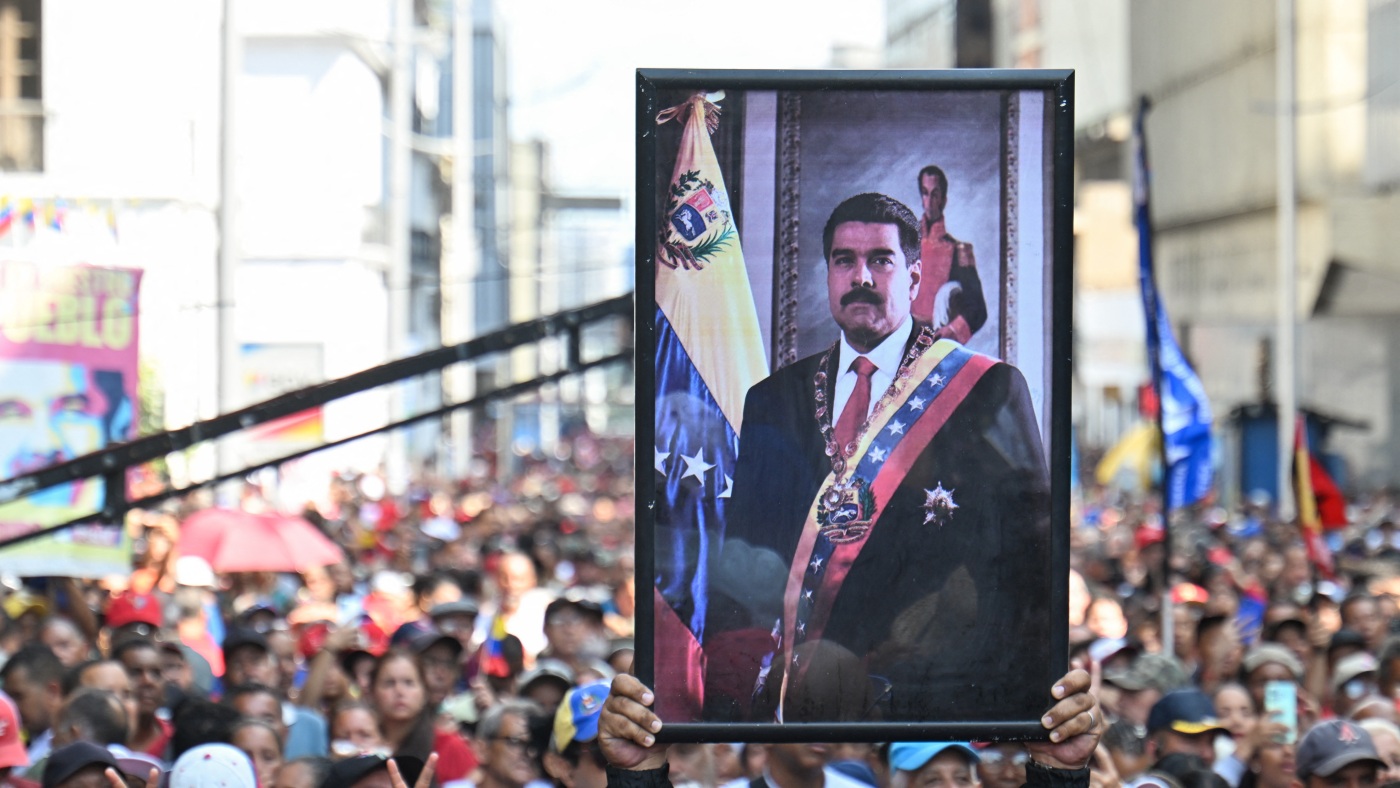
Recently, a trader on Polymarket made headlines when they profited over $400,000 by betting that Nicolás Maduro would be captured. They placed a $32,000 bet just hours before the Trump administration’s operation to capture Maduro. This incident raises interesting questions about prediction markets and possible insider trading.
Prediction markets are platforms where users can place bets on real-world events. Traders often use pseudonyms, making it challenging to track their identities. In this case, attempts to uncover the trader’s background were unsuccessful, and their original account name was changed shortly before the bet. According to Chainalysis, a cryptocurrency tracking firm, the trader is cashing out through well-known U.S. exchanges, indicating they are not hiding their identity through offshore movements.
Experts like Daniel Taylor from the University of Pennsylvania suggest that while the situation looks suspicious, it’s hard to determine if insider trading occurred. Prediction markets operate with less oversight than traditional stock markets, leaving room for potential abuse.
The Commodity Futures Trading Commission (CFTC), which oversees these markets, has limited resources compared to the Securities and Exchange Commission (SEC). With less than one-eighth the staff, it struggles to monitor activities closely. This could lead to more incidents going unnoticed, which raises concerns. For example, last year, a trader made nearly $1 million by betting on Google’s trending search topics, showcasing the unpredictable nature of these markets.
There is also a question of regulation. The Biden administration has pushed back against these markets, while the Trump administration appeared to favor them. The differing approaches highlight the political uncertainties around prediction markets. Additionally, Donald Trump Jr. serves as an adviser to both Polymarket and Kalshi, adding another layer of complexity regarding regulatory scrutiny.
Experts like Yale’s Jeffrey Sonnenfeld argue that the administration’s connections might undermine faith in regulatory actions, suggesting the need for more robust oversight to prevent irregularities in these betting environments.
In summary, while the recent Maduro wager sparked intrigue, it also shines a light on the gray areas of prediction markets. The combination of burgeoning popularity, increasing involvement from influential figures, and minimal regulatory frameworks calls for a closer examination of how these platforms might evolve moving forward.
For more on prediction markets and related regulations, check out this [CFTC report](https://www.akingump.com/en/insights/alerts/increasing-government-enforcement-in-insider-trading-of-commodities#:~:text=The%20CFTC’s%20jurisdiction%20over%20insider,Consumer%20Protection%20Act%20of%202010).
