
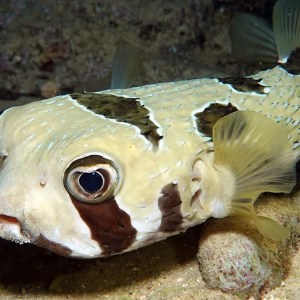
Species are on the move worldwide, with climate change driving changes in their habitats. Over 12,000 species have already shifted their ranges in response to warming temperatures. Fish, for example, are swapping tropical waters for cooler environments. Off Australia’s east coast, this trend is particularly noticeable as marine regions heat up.
In Sydney, new fish and coral species are appearing regularly. The challenge lies in tracking these newcomers accurately. Traditional methods like visual surveys often miss smaller or nocturnal species. As a result, experts believe we may be undercounting the number of species on the move.
To address this, recent research published in Diversity and Distributions used a cutting-edge method: environmental DNA (eDNA). Just like detectives analyze fingerprints to solve crimes, ecologists can identify marine species from tiny fragments of DNA left in the water, such as mucus and scales.
The concept of eDNA started in the 1980s but has since expanded to help researchers uncover hidden or endangered species. Now, it is a vital tool in understanding biodiversity in oceans, rivers, and soil.
Recently, researchers surveyed 2,000 kilometers along Australia’s east coast, from the Great Barrier Reef to the temperate waters of New South Wales. They combined traditional visual surveys and eDNA analysis to better capture the diversity of marine life. Each method revealed different species, but together, they painted a much clearer picture.
Surprisingly, eDNA detected tropical fish in temperate regions that had never been recorded there before. These included species like the lined surgeonfish and the common parrotfish, which divers often miss. Conversely, eDNA was less effective in spotting temperate species, showing that while both methods have their strengths, using them together provides the best results.
This phenomenon isn’t limited to Australia. Around the globe, species are adapting to new climates as temperatures and habitats change due to climate change. Some species thrive, while others struggle or disappear.
Tracking these shifts is critical. A 2022 report from the Intergovernmental Panel on Climate Change highlighted that biodiversity loss could intensify if we don’t adapt our monitoring techniques. E nvironmental DNA may be key to understanding how ocean life is changing.
Ultimately, as our methods improve, we gain better insight into the impacts of climate change. The future of marine ecosystems depends on our ability to monitor these vital changes effectively.
For additional insights on biodiversity and monitoring methods, you can explore resources from the Intergovernmental Panel on Climate Change.
Source link
Climate change, threatened species, visual surveys, fish communities, tropical fish, water samples, temperate reefs, cryptic species, fingerprints, surveys
