
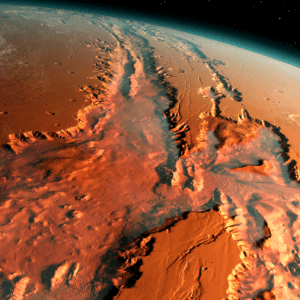
NASA has made exciting discoveries about Mars that help us understand its ancient climate better. They’ve been studying a mineral called hematite, which is made up of iron oxides. This mineral can reveal clues about water activity on the planet in the past.
The shape and structure of hematite crystals depend on how they formed, including factors like temperature and water pressure. According to NASA researcher Tanya Peretyazhko, even though Mars is now cold, there were times when it may have been warm and wet enough to support life for a much longer period than we thought.
NASA analyzed 20 samples from Gale Crater, a site known for its layered walls that preserve the planet’s climate history. Deeper layers in the crater show signs of ancient rivers and lakes, which later dried up to form dunes. The lower layers contained warm water for a longer time, allowing the crystals to grow. In contrast, the upper layers were too cold, limiting crystal growth.
Recent research underscores that these findings could change our understanding of Mars’ habitability. Experts emphasize the significance of studying minerals on other planets, as it may reveal broader insights into the potential for life beyond Earth.
For more details, you can check NASA’s official page here.
Source link
climate conditions, NASA, wet conditions, water pressure
