
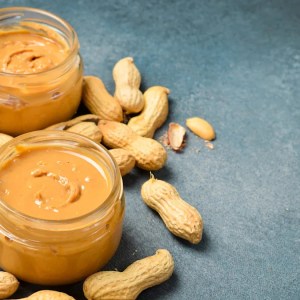
Peanuts are a big part of American culture. They’ve been a source of nourishment for generations, evolving from boiled treats to beloved peanut butter. In fact, as of 2023, a striking 94% of American homes have peanut butter in the pantry, according to The Food Institute. The favorite? It’s Jif, by a significant margin.
Jif commands an impressive 32% of the peanut butter market. By comparison, its closest competitor, Skippy, holds just 19%. Followed by Peter Pan at 13% and Justin’s, a newer brand focused on health, at 6%. Interestingly, Smucker’s, known for its jelly, only accounts for 4% of peanut butter sales, though it owns Jif.
So, why does Jif dominate? A big reason is its availability. You can find Jif in many stores across the country, making it an easy choice for shoppers. Although it’s not always the cheapest option, Jif seems to have a solid strategy for the future. Experts suggest there’s a growing trend toward generic and store-brand peanut butters, primarily driven by price sensitivity among consumers. This shift could impact Jif’s market position.
Additionally, there’s an increasing demand for healthier options, like natural or no added sugar varieties. Jif is adapting by offering a range of products, including reduced-fat and natural peanut butter. This flexibility may help them retain their leading spot as health-conscious consumers continue to look for better choices without sacrificing taste.
The peanut butter landscape is changing. With health trends and tighter budgets in play, people are still reaching for peanut butter—as it remains a vital, nutritious staple. Whether for protein-packed snacks or classic sandwiches, peanut butter is here to stay.
For more insights on food trends, consider checking reputable sources like Evidnt.
Source link
peanut butter, Jif, Peter Pan, market share
