
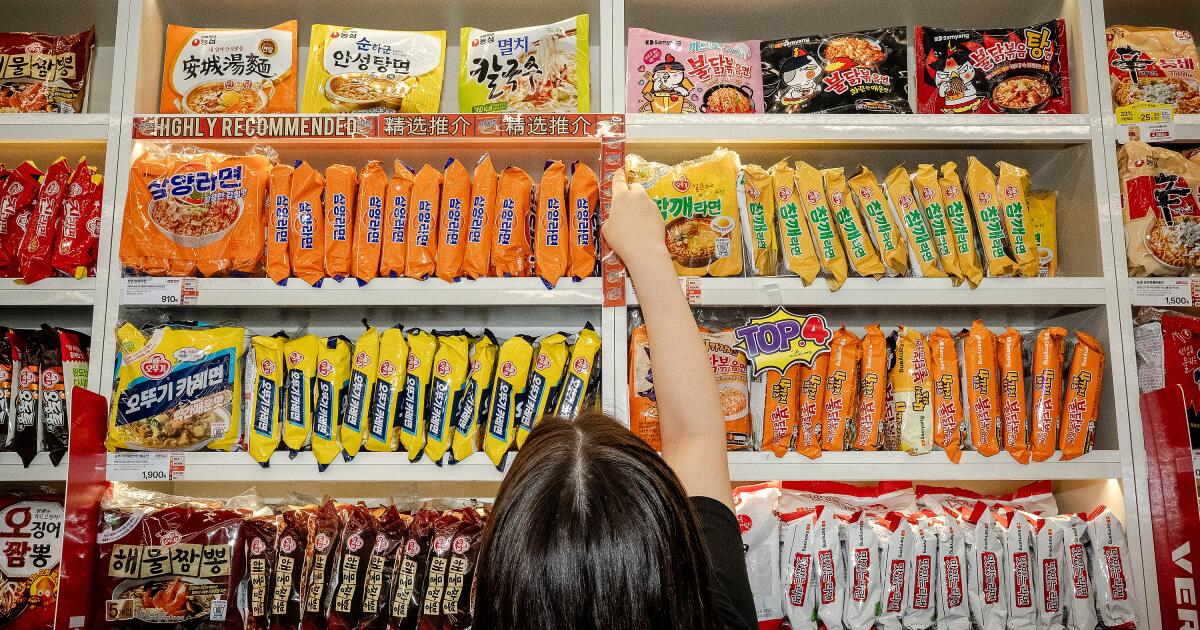
In South Korea, convenience stores are far more than just quick stops for snacks. They’re vibrant spaces buzzing with life. You can find everything from premium whiskies to unique dining deals, like instant noodle bars featuring over 200 types of ramen. Imagine grabbing dinner while doing laundry or even signing up for a new debit card—all in one place.
These stores have transformed into a $25 billion industry, launching around 70 new food items every week. This speedy innovation keeps customers engaged, reflecting their ever-changing tastes. Chae Da-in, a self-proclaimed “convenience store critic,” explores these shops weekly, advising that quick adaptation is key to success in this competitive market.
Every corner store is a treasure trove of culinary delights. Popular offerings often reflect trends seen on platforms like TikTok, where mukbang videos—featuring dining experiences—attract millions of views. South Korean convenience stores are, in fact, getting global attention. CU, a major chain, plans to open its first U.S. location in Hawaii, taking advantage of the area’s large Asian population and growing interest in Korean culture.
“Convenience stores redefine dining,” says Lim Hyung-geun, who oversees CU’s expansion. He envisions overseas outlets as mini South Korea experiences. These stores aren’t just retail spots; they’re also social hubs—places to sit, eat, and hang out.
The dynamics in South Korea’s convenience store scene are fascinating. Significantly, there are about 55,000 convenience stores across the nation, or one store for every 940 people. This boom is fueled by a high rate of self-employment. Many people, especially older workers, see these shops as accessible businesses to start. Research from the Korean Labor Institute indicates one can open a convenience store with as little as $14,000 in capital.
Competition is fierce. Social media trends can make or break a product overnight. For example, a cookie flavor might fly off the shelves one moment and languish the next, as seen with the “Dubai-style chocolate” from CU, which quickly rose and fell in popularity within months. “Finding the next big trend feels like searching for a needle in a haystack,” says Kim, a merchandiser in the industry.
Culinary professionals, like chef Kwon Sung-jun, utilize convenience stores for inspiration. Kwon even won a cooking competition by innovating dishes from convenience store ingredients. The rapid rise and fall of trends have made it crucial for store owners to stay ahead of customer preferences, especially with tourists now flocking in from all over, primarily due to the global appeal of Korean entertainment.
Interestingly, this diverse consumer base is also affecting inventory choices. Tourists particularly gravitate towards products featured in popular Korean shows, such as dalgona candy from “Squid Game.”
Kim Hye-ryeon, a GS25 store owner, notes a rise in international shoppers post-pandemic, observing their diverse interests and specific dietary needs. She mentions how items like Korean-style shaved ice have become especially popular.
So next time you stroll through a South Korean convenience store, know that you’re not just seeing a retail outlet. You’re entering a bustling microcosm of culture, trends, and community life—a modern-day gathering place where every visit can be an adventure.
Source link
