
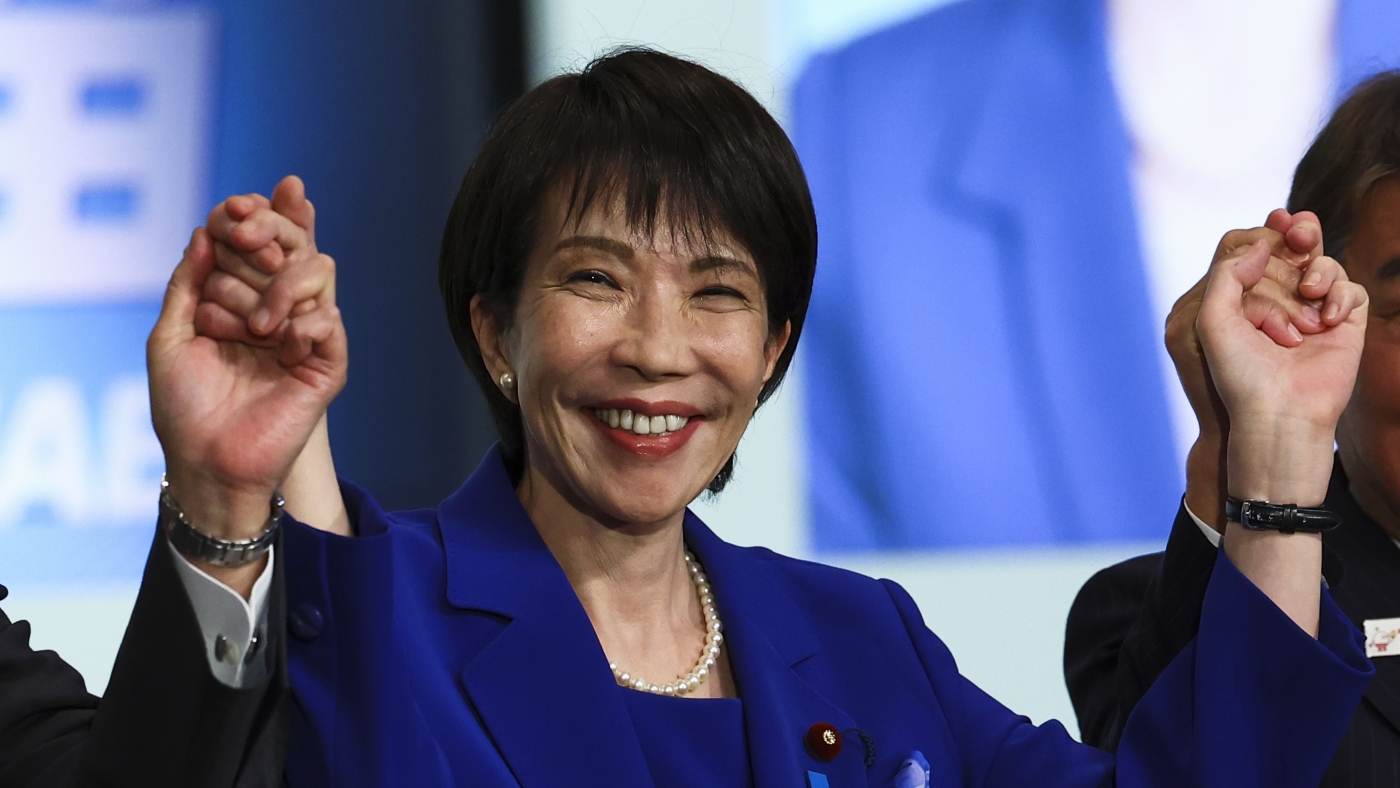
Japan has made history with Sanae Takaichi becoming its first female prime minister. Elected by parliament, Takaichi leads the ruling Liberal Democratic Party (LDP), which has been a dominant force in Japanese politics for decades.
Takaichi, 64, is often described as one of the most conservative members of the LDP. Jeffrey Hall, a political expert from Kanda University, calls her “ultraconservative.” Under her leadership, the LDP has moved further to the right, especially after losing its longtime coalition partner.
Interestingly, Takaichi has a unique background. Raised in Nara, her family wasn’t politically connected. Her father worked in the automotive industry while her mother was part of the local police. Despite facing financial challenges, she excelled academically and eventually attended Kobe University. This led to a career in politics after she gained recognition as a television presenter.
Her political journey started in 1993 when she first entered parliament. Over the years, she held various significant positions, including serving as minister of international communications. Hall notes that her tenure in this role was longer than any previous minister’s, illustrating her competence and the trust placed in her by late Prime Minister Shinzo Abe.
Takaichi views herself as part of Abe’s conservative legacy, especially concerning national security and Japan’s defense policies. While she emphasizes economic growth via deficit spending, her social policies often draw criticism. For example, she has proposed significant restrictions on immigration and advocates for traditional family roles, going against contemporary gender equality movements.
Though her rise to leadership is groundbreaking for women in Japan, Hall believes she does not prioritize feminist issues. Japan has been criticized for its gender imbalance in politics, with women occupying only about 10% of parliamentary seats. Takaichi had promised to improve these statistics, yet she named only two women to her cabinet after taking office.
Social media has reacted to her leadership with mixed feelings. Users note her admiration for classic rock bands like Deep Purple and her college days as a drummer, suggesting a multifaceted personality that’s often overshadowed by her political stance. However, her strong conservative values, especially on issues like immigration and women’s rights, remain polarizing.
In conclusion, Takaichi’s leadership marks a significant moment in history, but her ultra-conservative views may not herald a new era of gender equality in Japan. Her journey reflects the complexities of balancing tradition with modernity in a rapidly changing world. As Japan grapples with significant labor shortages due to an aging population, the implications of her policies will be closely watched, with many business leaders advocating for a more open approach to immigration.
For more insights into Takaichi’s policies and her impact on Japan’s future, check out this World Economic Forum article on gender equality and economic dynamics in Asia.
