
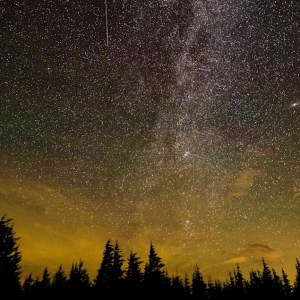
The Perseid meteor shower is here, peaking Tuesday night into Wednesday morning. You can expect to see up to 100 meteors streaking across the sky each hour. This shower, which began on July 17, is known as one of the best of the year. NASA reports that the visibility might be affected by the moon’s brightness, but if you find a dark spot away from city lights, you’ll have a good chance of enjoying the show.
What’s a Meteor Shower?
Meteoroids are tiny bits of debris from comets and asteroids. When they enter Earth’s atmosphere, they burn up and become meteors—often called “shooting stars.” A meteor shower occurs when we encounter a large number of these meteors in a short time. This usually happens when Earth crosses the path of a comet, picking up the debris.
Perseid Meteor Shower Insights
Perseid meteors are known for their long, bright trails. During peak times, you could spot 50 to 100 meteors each hour. They originate from comet 109/Swift-Tuttle, which orbits the sun every 133 years. The name “Perseid” comes from the constellation Perseus, where these meteors seem to fall from.
There’s also a chance of seeing fireballs, which are brighter than typical meteors and show off vibrant colors as they streak through the atmosphere.
Best Viewing Tips
The Northern Hemisphere is the best spot for watching the Perseids. However, this year’s shower coincides with a waning gibbous moon, which could make it a bit tricky to see all the meteors. Bill Cooke from NASA’s Meteoroid Environments Office estimates that you might only see around 10 to 20 meteors per hour due to the bright moonlight. His advice? “Look anywhere but at the moon.”
To find the best times for viewing in your area, check the Global Meteor Network’s meteor-tracking meter.
Fun Fact
Did you know that the Perseid meteor shower has been observed for nearly 2,000 years? Ancient cultures, including the Chinese, recorded these meteors in their writings.
Conclusion
Even with the moon’s interference, the Perseids promise a spectacular show. So grab a blanket, head outside to a dark area, and enjoy the wonders of the universe overhead.
For more details about the Perseids, you can visit NASA’s Perseids page. Happy stargazing!
Source link
Perseid meteor shower, meteor shower, Perseid shower, NASA, Earth’s orbit, Earth's atmosphere
