
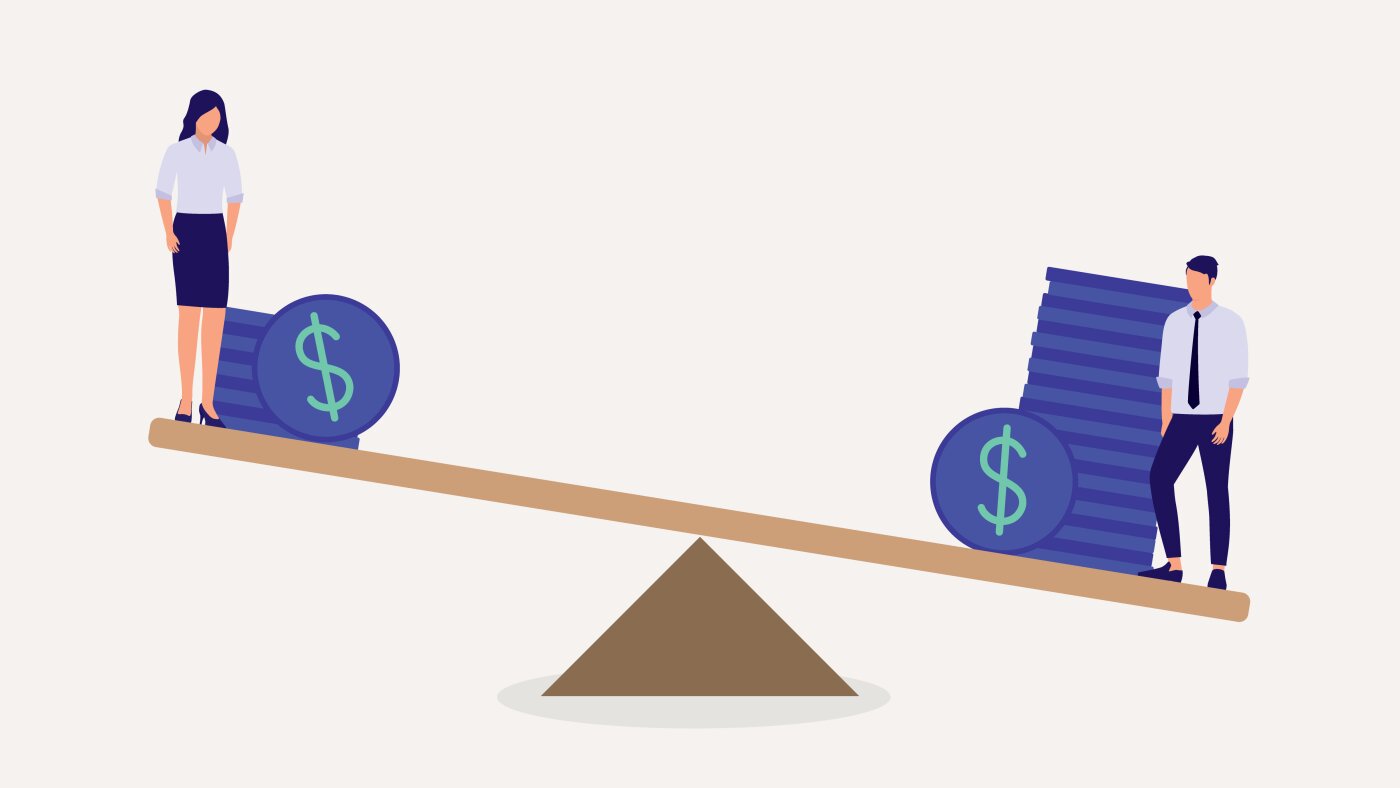
Equal Pay Day is here again. This day highlights how far into the new year women must work to earn what men made the previous year. This year, it’s marked on March 26, a day later than last year, showing a troubling trend: the gender pay gap in the U.S. is widening.
According to the latest data from the Census Bureau, women working full-time earn only 81 cents for every dollar men earn. That’s a drop from 83 cents last year and 84 cents the year before. It’s the first time the pay gap has increased for two consecutive years since the 1960s. Deborah Vagins, director of the Equal Pay Today coalition, emphasizes this concerning trend.
This year, Black Women’s Equal Pay Day falls on July 21, Moms’ Equal Pay Day is August 6, and Latina Equal Pay Day is October 8. Vagins notes, “We are reversing decades of hard-won progress.”
Many believe that wage growth under President Biden might be a factor. Between 2023 and 2024, men’s median income rose by 3.7%, while women’s remained flat. This lack of progress for women means families often face financial struggles that compound over time.
While the Biden administration has supported equal pay measures for federal workers, significant barriers remain. The coalition has made pushes for federal pay transparency laws to ensure salary ranges are included in job postings. Currently, several states are enacting such laws, with varying outcomes on wage equity. Despite evidence showing that pay transparency can help reduce wage gaps, it doesn’t always equal higher wages for women.
Historically, efforts to narrow the wage gap have faced challenges. Under the Obama administration, employers were required to provide pay data by sex and race, illuminating disparities. This initiative was halted during the Trump administration, with claims it burdened employers. Vagins believes that without the ability to measure inequities, addressing them is nearly impossible.
The gender wage gap shapes lives. Occupational segregation plays a large role, with women often concentrated in lower-paid jobs in sectors like hospitality and childcare. Even within professions, there’s a troubling trend: male doctors earn more than their female counterparts across all specialties. This wage gap creates long-term effects, impacting women’s savings, social security benefits, and their ability to build wealth for future generations. Vagins stresses, “It has very, very long-lasting impacts.”
In summary, while there have been efforts to bridge the wage gap, many obstacles remain. Awareness of the issue and continuous advocacy for transparency and equal pay are essential for progress.
For more details on women’s earning statistics, visit the Census Bureau’s data on gender pay disparities.
