
Greenland is seeing an increase in military presence from various European countries, including France, Germany, Norway, and Sweden. This move follows discussions between Denmark, Greenland, and the U.S. that revealed significant differences in views, especially under the Trump administration.
French President Emmanuel Macron announced that French troops are already in Greenland for military exercises. Germany is set to send a reconnaissance team, while Denmark also plans to boost its military presence. This response comes amid concerns about increased interest from Russia and China in the Arctic region.
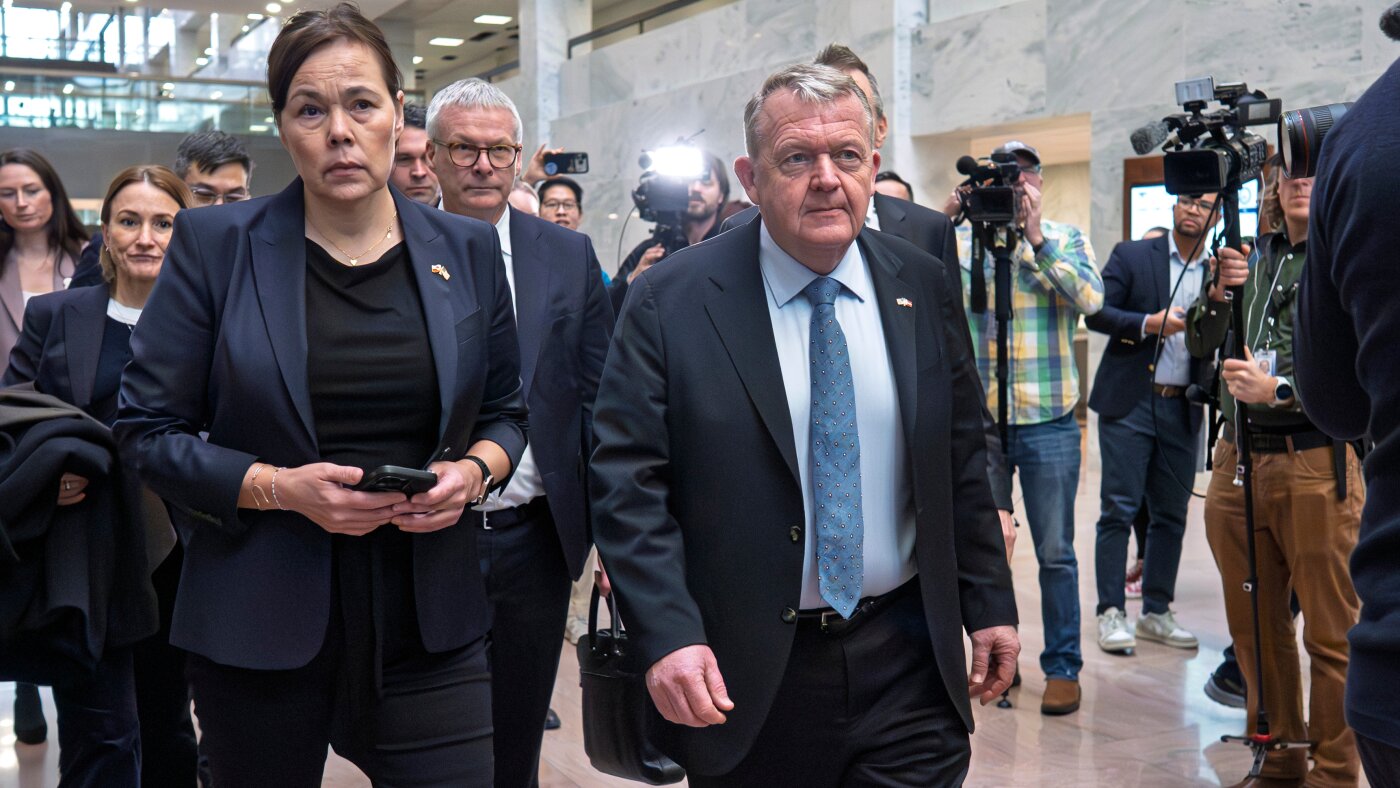
On January 14, 2026, talks in Washington highlighted the stark differences between Danish and U.S. views on Greenland. Danish Foreign Minister Lars Løkke Rasmussen noted that President Trump has expressed a desire to “conquer” Greenland for its resources. In a recent interview, Trump stated that if the U.S. does not secure Greenland, other nations would do so.
The local community in Nuuk has mixed feelings about these developments. Residents appreciate the visit from European military forces but wonder what it means for their future. Many see the increasing military presence as necessary protection against potential U.S. actions.
Maya Martinsen, a young Greenlander, expressed relief at the support from Nordic allies, noting that the essence of the dispute seems to revolve around Greenland’s untapped resources, rather than outright national security concerns.
Danish officials emphasize the need for collaboration among NATO allies. The Danish Defense Minister stated that military deployments will become more permanent. In light of the evolving security landscape in the Arctic, this enhanced cooperation will likely shape Greenland’s future.
The global implications of these developments are significant. As of 2022, Arctic sea ice extent has reached record lows, raising geopolitical stakes in the region. Experts argue that nations must tread carefully, balancing military readiness with diplomacy, especially given the sensitive nature of Arctic diplomacy and the interests of indigenous peoples.
Some experts believe that any military action in Greenland would likely provoke a strong backlash, both from the local populace and from international allies. This sentiment is echoed by Rasmussen, who expressed hope that discussions with the U.S. will lead to better understanding without compromising Greenland’s autonomy.
In a digital age, social media has amplified discussions about Greenland’s future. Local and global reactions can be observed on platforms like Twitter, where people share their views on sovereignty, military alignments, and the environment. Many users underscore the importance of respecting the wishes of Greenlanders themselves.
In conclusion, Greenland stands at a crossroads of military strategy and diplomatic engagement. The actions taken now will undoubtedly shape the Arctic’s future and determine the balance of power in this strategically crucial region.
