
Eurovision Song Contest: A Celebration of Music Amid Controversy
The Eurovision Song Contest is heating up as it approaches its grand finale in Vienna. Despite rainy weather and tight security, the excitement among fans is palpable. This year, the event faces criticisms, particularly regarding Israel’s participation amidst ongoing tensions in Gaza.
Around 25 countries compete for the coveted title, and millions worldwide will tune in. It’s often described as the World Cup of music, filled with vibrant performances that meld pop culture and politics. This year, several nations such as Spain and Iceland have decided to boycott, voicing their opposition to Israel’s involvement.
Finnish favorites have caught the spotlight. Satoshi represents Moldova with “Viva, Moldova,” a high-energy piece carrying a pro-European message. Greek artist Akylas offers “Ferto,” a playful critique of consumerism, resonating in a country recovering from the 2008 financial crisis. According to Eurovision historian Dean Vuletic, these performances exemplify the contest’s unique ability to fuse artistry with political commentary.
The voting system remains a mystery for many. Points come from both public votes and national jury assessments. This blend ensures that artists from smaller nations, often considered underdogs, have a chance to shine. Finland is currently favored to win with “Liekinheitin,” a powerful duet combining classical and pop styles.
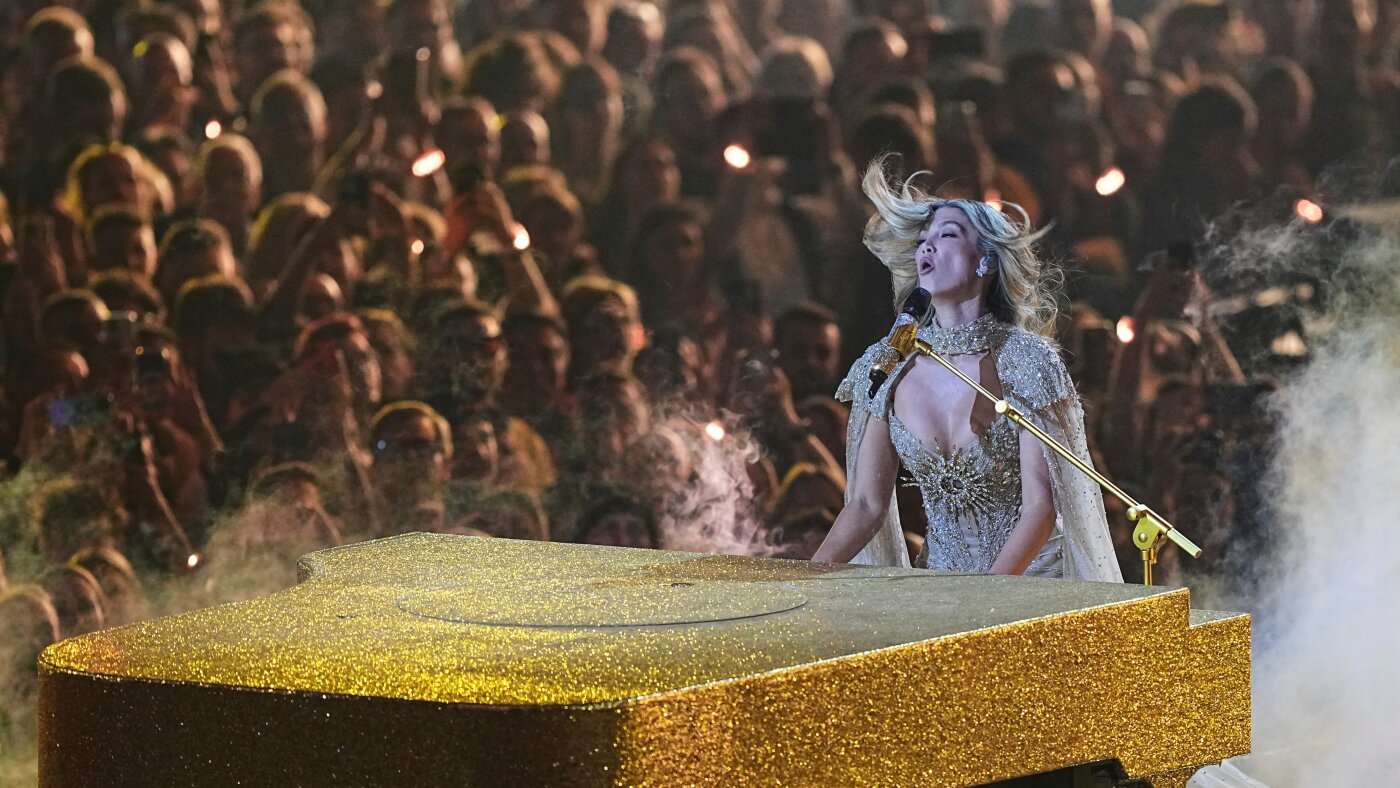
While artists like Delta Goodrem from Australia bring star power, the contest has always leaned towards lesser-known talents. Vuletic highlights how audiences root for those who reflect the spirit of perseverance, often favoring emerging artists.
Protests against Israel’s involvement trend on social media and continue to mount. Activists plan demonstrations around the event, emphasizing that Eurovision should not support states involved in humanitarian crises. Pro-Palestinian groups even staged outdoor concerts, denouncing Israel’s participation. The controversy isn’t new; Eurovision has a history of political entanglements stretching back decades.
For instance, the first boycott occurred in 1969 when Austria refused to participate in Spain due to its dictatorial regime. This year’s protests serve as a reminder that while the contest celebrates music, it also reflects the world’s tensions.
As Eurovision expands globally, with a new iteration set for Asia, it remains a platform for artistic expression and, increasingly, political debate. This balance of celebration and controversy will likely shape the future of Eurovision as it continues to evolve within a complex global landscape. With millions watching, the contest holds immense potential to spotlight both talent and the narratives that influence it.
