
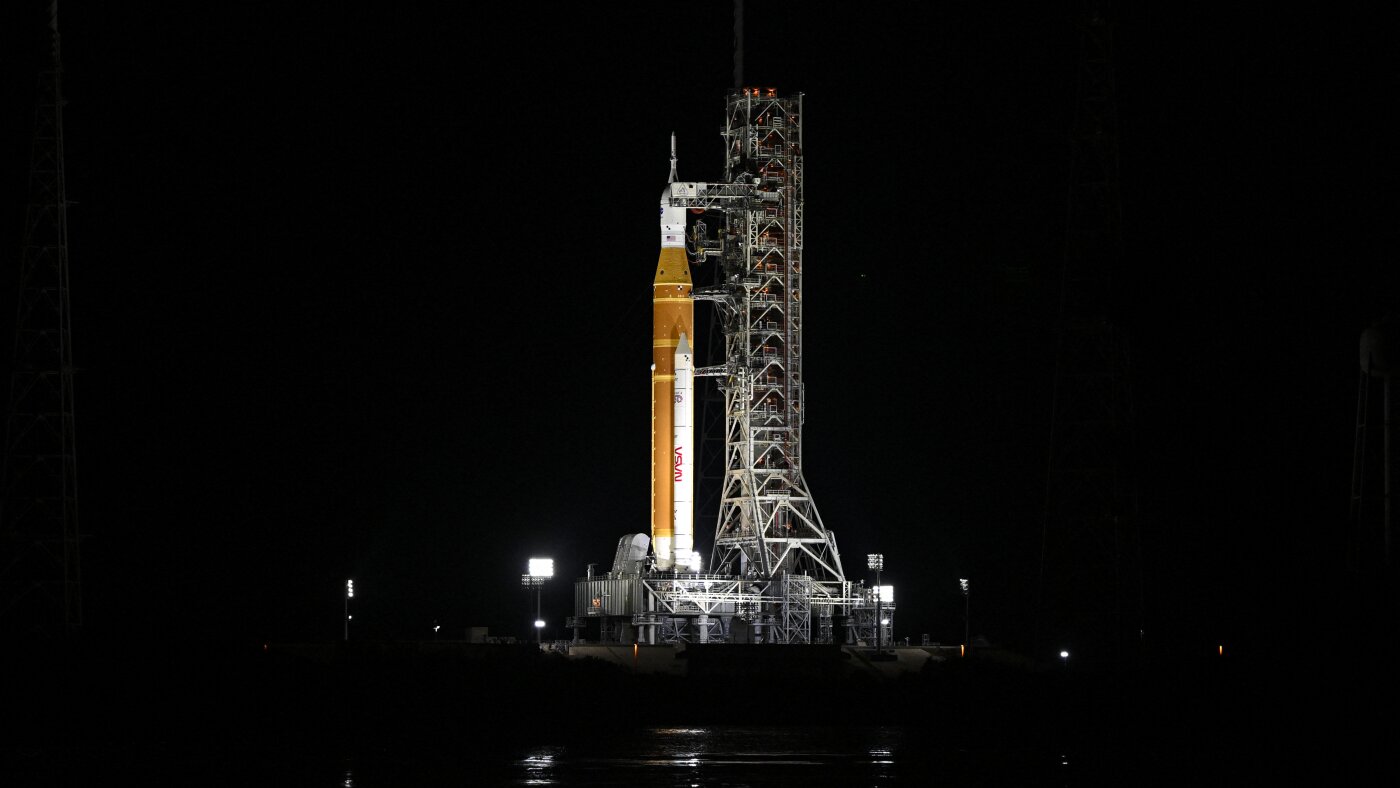
NASA is gearing up for an exciting new chapter with the Artemis II mission, which aims to send four astronauts around the moon. Preparations for this mission include crucial testing of the spacecraft, starting with fuel testing set for Monday.
Last week, the “wet dress rehearsal” was postponed due to freezing temperatures at the Kennedy Space Center in Florida. This rehearsal is a critical step. It involves loading fuel and performing a countdown simulation to ensure everything is ready for launch.
During the wet dress rehearsal, engineers will check the Orion spacecraft and the Space Launch System (SLS) rocket closely. They will load more than 700,000 gallons of fuel, consisting of liquid oxygen and hydrogen, into the rocket. The entire process will mirror a real launch scenario, so the team can identify any potential issues before the actual launch.
Interestingly, this mission marks the first time in over 50 years that astronauts will fly to the moon. The launch window will occur on a simulated schedule starting at 9 p.m. ET and lasting into the early morning. If all goes well, the actual launch could happen as soon as next Sunday, with alternate dates available in March and April. The mission is expected to last 10 days, during which the crew will orbit the Earth and the moon before returning home.
While the testing takes place, the astronauts—Victor Glover, Christina Koch, Reid Wiseman, and Jeremy Hansen from the Canadian Space Agency—are in quarantine. This precaution helps protect them from illness before the mission. They have been isolating since January 23, wearing masks and limiting their interactions to ensure they stay healthy.
The Artemis II mission is more than just a trip around the moon. It’s a step toward returning humans to the lunar surface and eventually reaching Mars. The mission signifies not just a technological achievement but also a return to deep space exploration, engaging a new generation of scientists and space enthusiasts.
In recent discussions on social media, this mission has sparked widespread excitement, with many users sharing their thoughts and dreams about space exploration. The prevalence of space enthusiasts on platforms like Twitter and Instagram reflects the growing interest in NASA’s endeavors to expand our reach into the cosmos.
As we approach the next stages of this mission, NASA emphasizes the importance of teamwork and precision. The thorough planning and testing are essential to ensure that the journeys ahead will be safe and successful.
For more in-depth information on the Artemis II mission, you can visit NASA’s official site.
